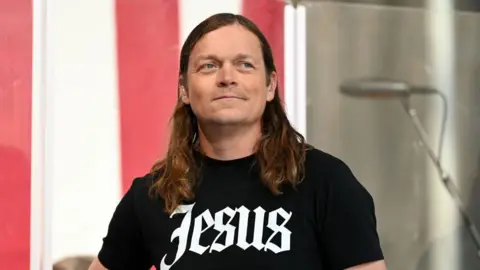
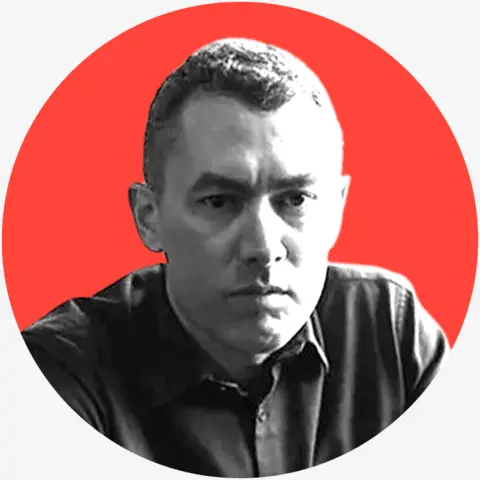
The U.S. Supreme Court has revived a significant lawsuit stemming from the case of Gabriel Olivier, an evangelical preacher who was banned from public demonstrations in Mississippi after utilizing a loudspeaker to shout controversial remarks at bystanders. The justices delivered a unanimous decision, allowing Olivier's claim of violation of his religious expression and free speech rights to proceed. Olivier argues that police actions against him were unlawful, emphasizing his intent to peacefully exercise his beliefs in public spaces.
Previously, lower courts had inhibited his ability to sue due to his prior conviction for violating city noise ordinances. However, the Supreme Court noted that Olivier's desire to prevent future enforcement of the ordinance uncouples the legal issue from his past conviction. Justice Elena Kagan highlighted in the opinion that Olivier's request for forward-looking remedies allows the case to move forward.
Olivier's legal representation contends that he was making a peaceful demonstration, thereby asserting the need for court intervention when First Amendment rights are at stake. They believe that the high court's ruling could resonate as a pivotal statement for free speech rights across various ideological divides.
Kelly Shackelford, CEO of the conservative First Liberty Institute, remarked that it marks a victory not just for religious expression, but for all Americans facing potential violations of their speech rights before the courts. Conversely, local government officials in Brandon assert that the restrictions placed were not solely about religious expression, claiming that Olivier had other lawful options to contest the ordinance. The ruling stands to open up a pathway for additional civil rights lawsuits that may challenge municipal regulations nationwide.
Previously, lower courts had inhibited his ability to sue due to his prior conviction for violating city noise ordinances. However, the Supreme Court noted that Olivier's desire to prevent future enforcement of the ordinance uncouples the legal issue from his past conviction. Justice Elena Kagan highlighted in the opinion that Olivier's request for forward-looking remedies allows the case to move forward.
Olivier's legal representation contends that he was making a peaceful demonstration, thereby asserting the need for court intervention when First Amendment rights are at stake. They believe that the high court's ruling could resonate as a pivotal statement for free speech rights across various ideological divides.
Kelly Shackelford, CEO of the conservative First Liberty Institute, remarked that it marks a victory not just for religious expression, but for all Americans facing potential violations of their speech rights before the courts. Conversely, local government officials in Brandon assert that the restrictions placed were not solely about religious expression, claiming that Olivier had other lawful options to contest the ordinance. The ruling stands to open up a pathway for additional civil rights lawsuits that may challenge municipal regulations nationwide.