In the fishing villages along Sierra Leone’s coast, a once-abundant tide has become a cause for concern. Reports of falling catches and broken nets have led local fishermen to blame foreign trawlers for their woes.
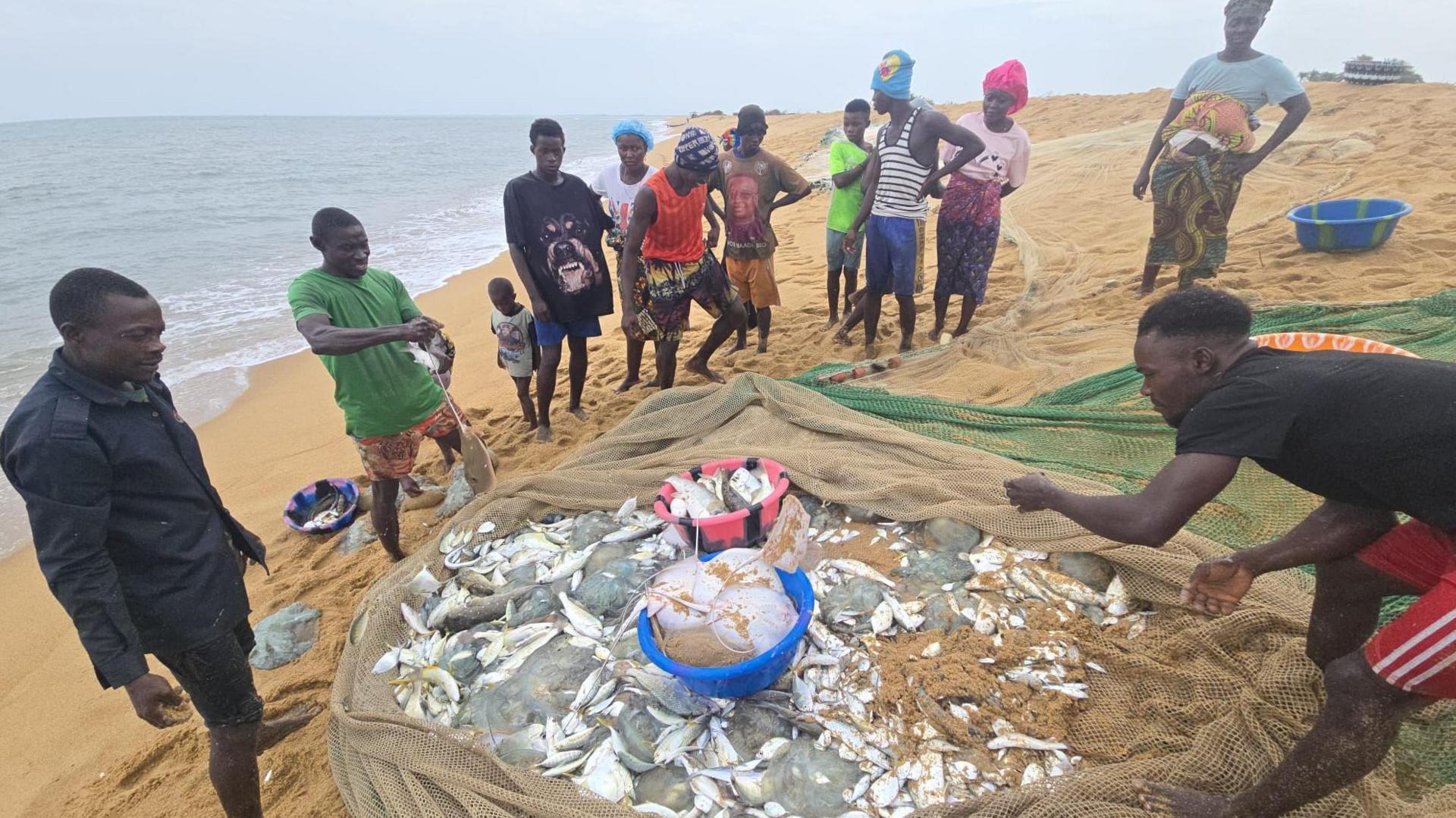
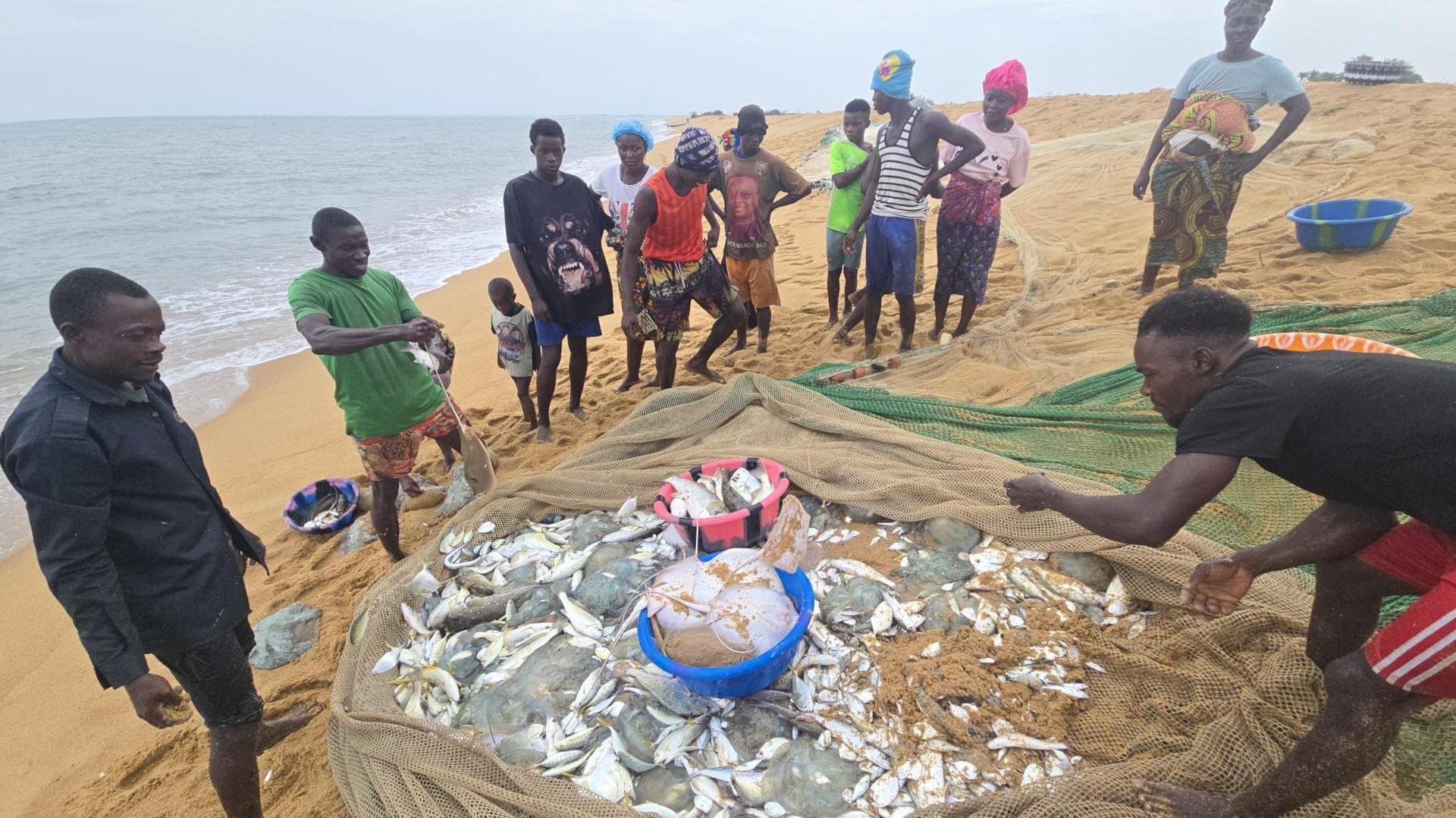
On Sherbo Island, the boat‑laden village, fishermen haul ropes and nets yet find only a few tug‑of‑war, a snapshot of a livelihood that is fraying. The nets, packed with snapper, mackerel, barracuda, rays and far more, are forced to deal with a growing problem: the cut lines left by large foreign ships that pierce the day‑score of local catches.
"The illegal fishing is too much," says Thomas Turay, president of Sierra Leone’s Fishermen’s Union, who notes a 40 % decline in catches for his members. He points out the nightly incursions of Chinese trawlers that violate the seven‑mile exclusion zone and scrap local nets, destroying livelihoods along the coast.
Local voices echo the numbers: a woman named Marie Pierre admits she resorts to picking sardines from slammed jelly fish. A fisherman, Musa Gassimo, claims he has seen nets sliced in the dark and incurred costs of up to $250 (≈ £189) each time to replace them.
Over the past two decades, West Africa has become the global epicentre for illegal fishing. A 2024 global report linked 40 % of all unlicensed catch to the region’s waters, costing the countries a combined £10 bn in lost revenues and threatening food security for millions.
2024 global report shows that 70 % of the offending international vessels are from China, a figure that has sparked intense debate in Sierra Leone.
Sheku Sei, director of Sierra Leone’s Ministry of Fisheries, counters the fishermen’s claims. He says all foreign vessels must carry transponders that track movements and that authorities conduct regular inspections. He further insists that penalties for breaching the exclusion zone act as deterrents, though he cites no recent enforcement.
However, the Chinese Chamber of Commerce in Sierra Leone remained silent when pressed for comment. The Chinese Foreign Ministry’s recent statement, prompted by accusations in Latin America, claims Beijing enforces international law and maintains responsible fishing practices.
International lobbyist Steve Trent of the Environmental Justice Foundation argues that China’s subsidies and lax oversight fuel an unchecked global fleet. He calls for stronger vessel tracking, heightened pressure on Beijing, and consumer awareness in a world that still sells illegally fished fish.
For the fishermen on Sherbo Island, the question hangs clear: can the coastal waters recover from an influx of foreign fleets that treat the ocean as a private quarry? The answer will determine the resilience of a community that has depended on the sea for generations.