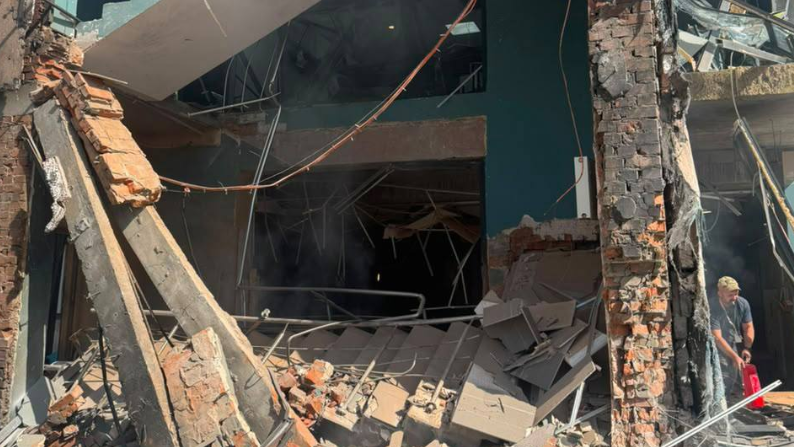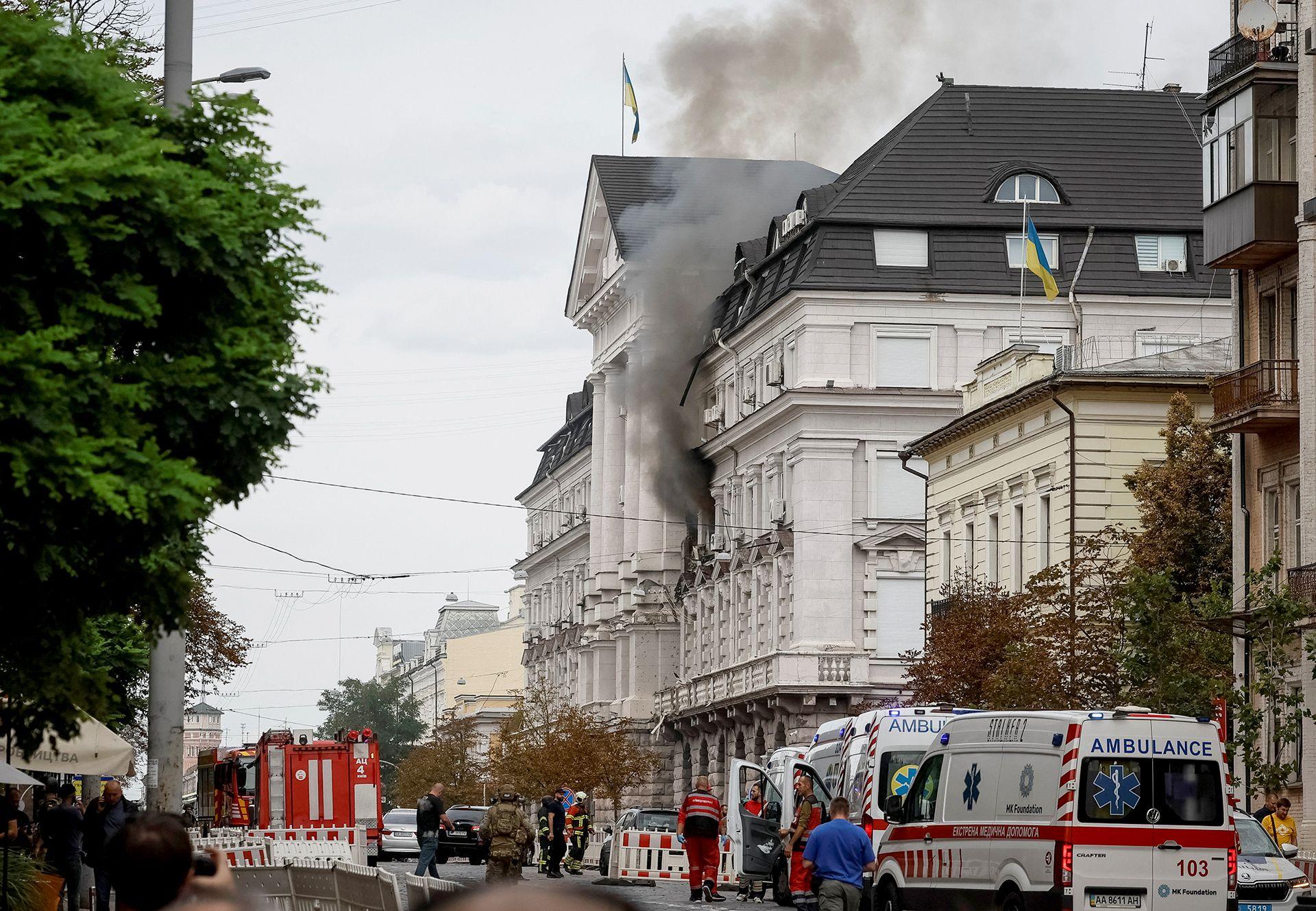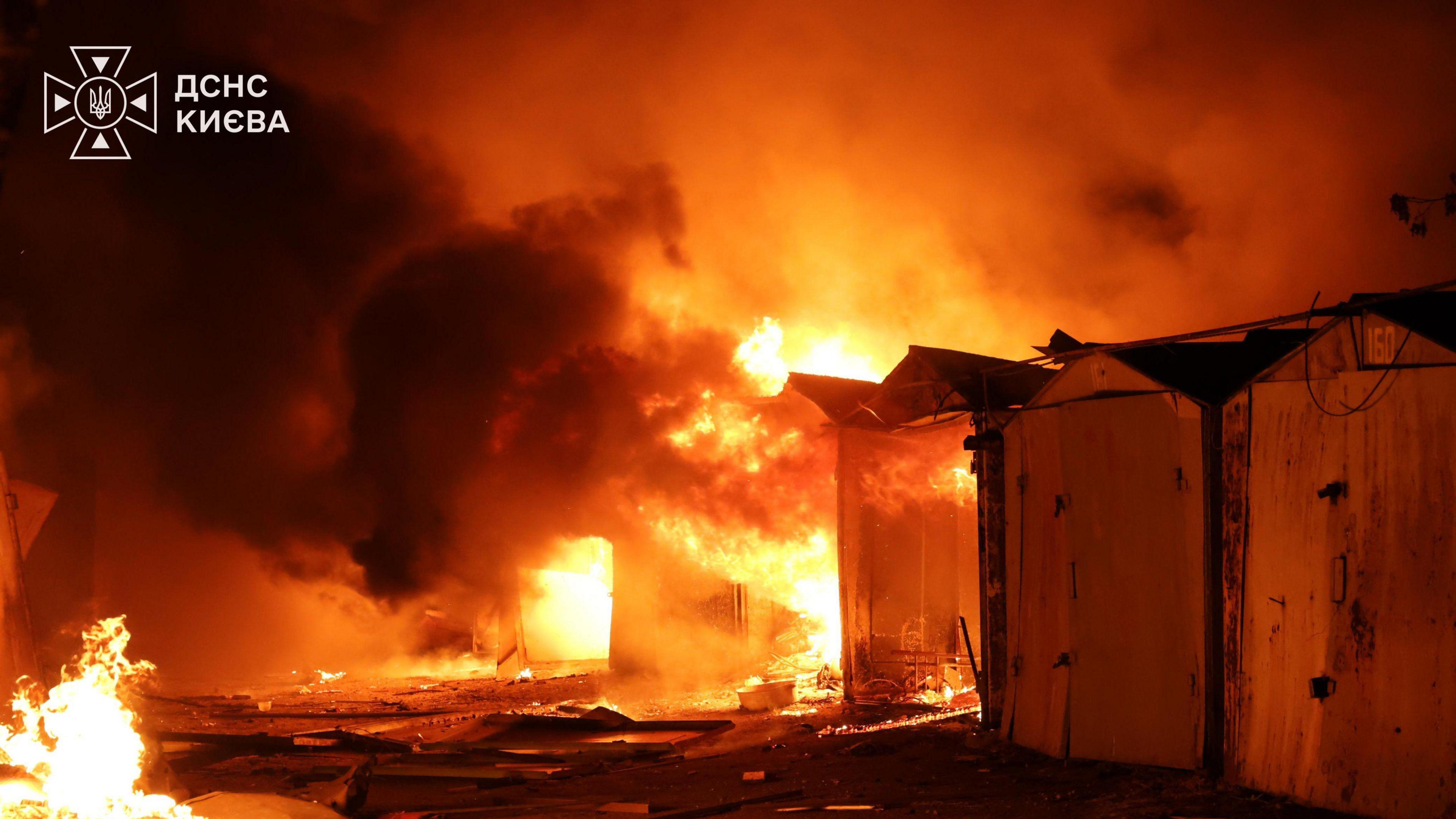
Russian ballistic missiles struck east of Kyiv in the early hours of August 5, killing three people—including a child—and injuring another three.
The regional military administration confirmed the toll and highlighted that the missiles had penetrated Ukraine’s air defence network, a growing concern as the war reaches a new phase of intensified strikes.
The attack follows a wave of attacks that the Ukrainian government says saw 21 civilians killed, raising alarms over the shrinking supply of western‑donated interceptor missiles, a key element in protecting the capital’s airspace.
In response, President Volodymyr Zelensky, during his recent visit to Serbia, reinforced his plea for fresh U.S.‑made Patriot interceptors. He warned that the current stocks were inadequate and that Ukraine’s defense contractors needed additional funding for domestic production, a demand that sits amid President Donald Trump’s mixed signals on a licence to manufacture the systems in Kyiv.
Zelensky’s call comes as Ukraine’s European allies have begun donating costly defense equipment—including Patriot missiles—to the country after the U.S. scaled back direct military aid. The pressure on diplomatic channels underscores a broader strategic question: how much sustained international support will Ukraine receive while Russia continues its missile campaign.
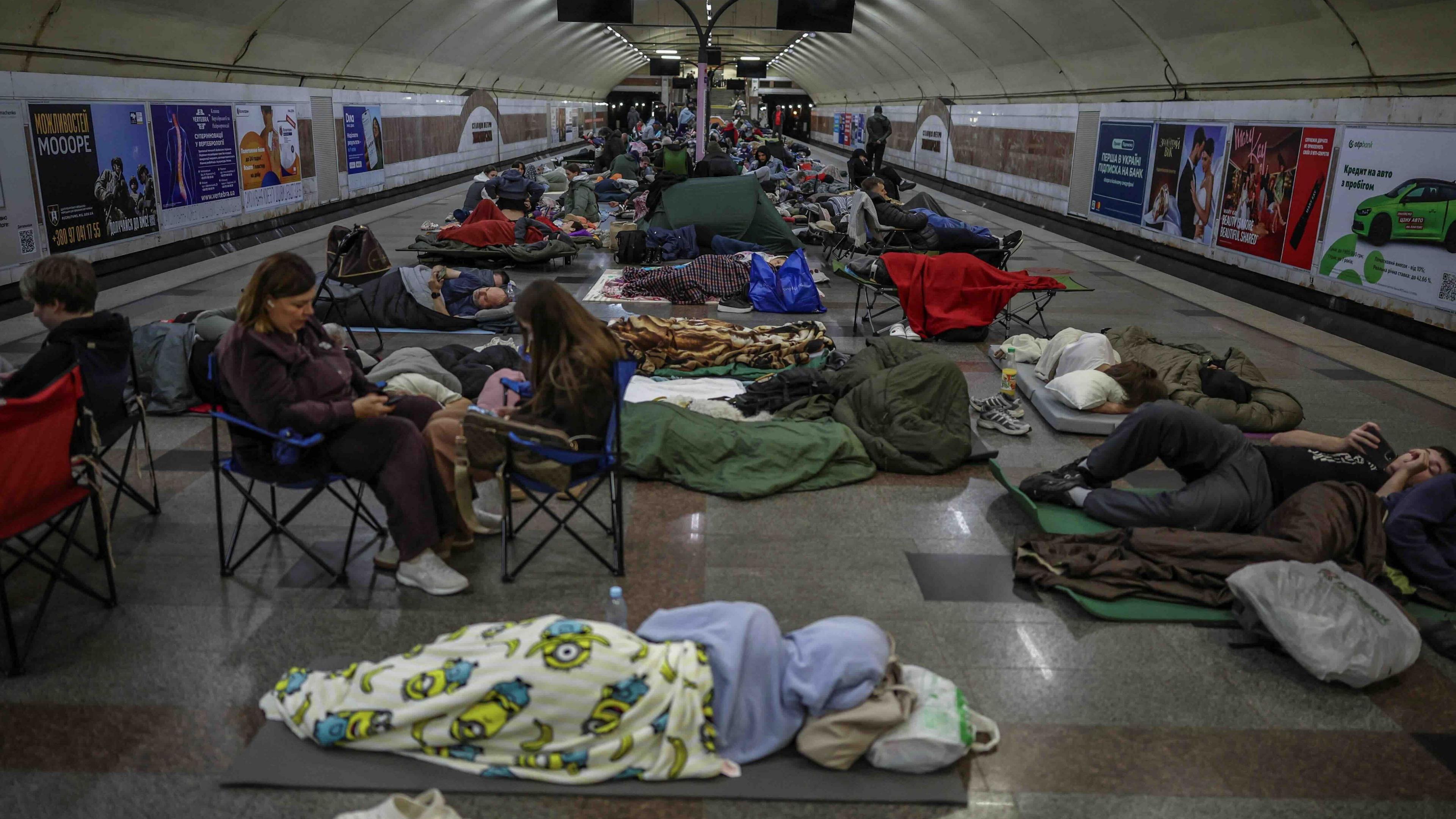
The latest strike further demonstrates the urgent need for enhanced air defence capabilities in the face of repeated Russian missile attacks and the human cost of a war that increasingly drags the frontline close to the European capital.