In brief
Russian authorities charged Yuki Imai, a correspondent for the Hokkaido Shimbun, with espionage after he was detained in the far‑east region of Sakhalin. The arrest follows a surge in hostilities with Japan following President Putin’s visit to the disputed Kuril Islands. Imai is accused of collecting defence information for Japan’s national intelligence service, a claim Moscow denies. The case underscores the enduring battle over the Northern Territories and Russia’s broader crackdown on foreign journalists suspected of spying.
Russian authorities have charged a Japanese journalist with espionage, alleging he collected defence‑related information for Tokyo. The suspect, identified as Yuki Imai of the Hokkaido Shimbun, was detained in Russia’s Sakhalin region a day before he was set to depart the country.
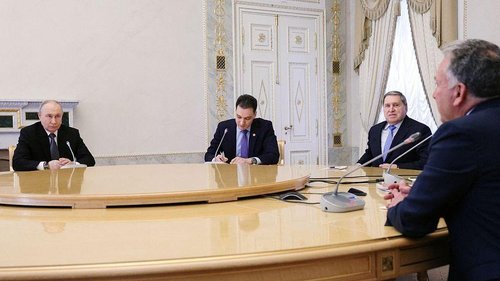
Imai’s arrest arrives as tensions over the Kuril Islands flare, following President Vladimir Putin’s visit to the contested archipelago. The islands, administered by Russia but claimed by Japan, remain the central issue preventing a post‑war peace treaty.
Russia says Imai acted on instructions from Japan’s national intelligence service and gathered data about personnel involved in a special military operation on the islands. Moscow has sent the defendant to Moscow and will hold him in custody until 12 December, when the trial is expected to begin.
Japan’s government has offered limited comment. Prime Minister Sanae Takaichi said authorities are verifying facts and will respond appropriately, while the Hokkaido Shimbun released a statement without naming the reporter.
The foreign ministry spokeswoman Maria Zakharova described the alleged use of foreign‑journalist status to undermine Russia’s national security as regrettable and part of a broader pattern of similar attempts, though she did not name additional reporters or outlets.
Russian law allows up to 20 years imprisonment for those convicted of espionage. Imai’s published work has previously focused on Russia’s ties with North Korea and life in Sakhalin.
The arrest highlights ongoing friction over the Northern Territories, with Japan maintaining sanctions on Russia for its Ukraine invasion. Moscow has also objected to Tokyo’s request for the extradition of International Criminal Court president Tomoko Akane, a Japanese national, after the ICC issued an arrest warrant for Russian leader Vladimir Putin.
The case follows similar incidents, notably the 2023 detention of United States journalist Evan Gershkovich and earlier arrests of Japanese reporters linked to military intelligence activities in the region.