
In brief
A sudden fuel crisis grips Moscow, with commuters lining up at petrol stations for the first time in decades. Russian refineries are under mounting attack, and the government is scrambling to import fuel and lower prices. While Putin assures the public that shortages are manageable, polling shows a dip in his approval. Economists warn that the crisis could undermine Russia’s growth prospects for the year, and experts question whether the unrest will pressure the Kremlin to change its war strategy.
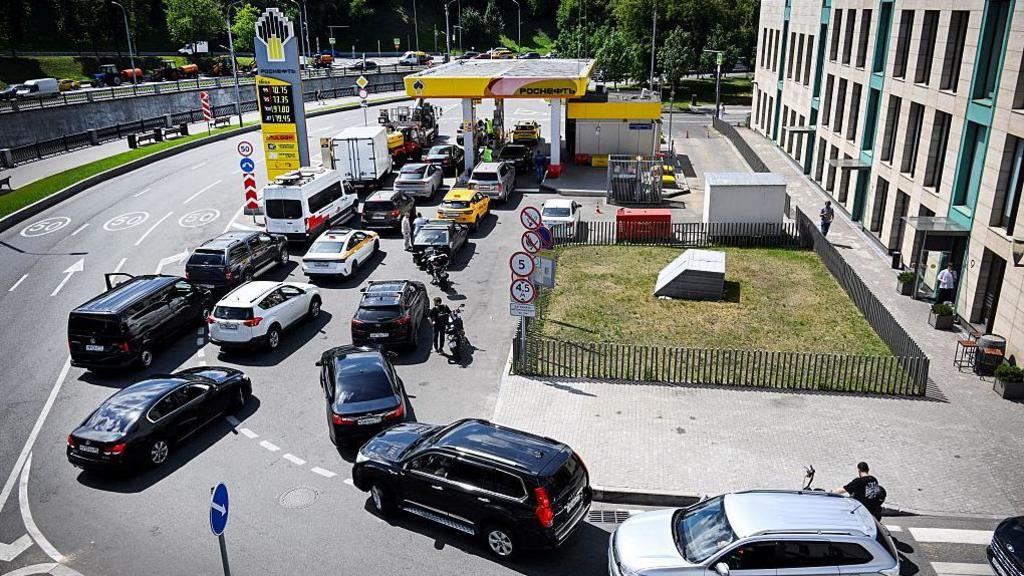
If you drive around Moscow on a normal day, the most dramatic thing to notice is the queue of cars and lorries standing outside every petrol station. The faces of drivers, bystanders and even a handful of police officers reflected a mix of frustration and panic, as fuel stocks run thin and the city’s infrastructure is stretched to the limit.
In the images that have spread across social media, the lines can stretch for miles, with some commuters holding the drive‑through in place for upwards of an hour. Some have resorted to throwing caution to the wind, abandoning their vehicles and taking buses or risking engine damage by using lower‑grade fuels that the government has started allowing. Farmers worried about the spring harvest have also begun to fret as their own supply chains feel the strain.
The crisis is part of a growing list of challenges that the Kremlin faces. Ukrainian drones and missile strikes are killing and damaging refineries close to Moscow and St. Petersburg, darkening the skies over the capital and making it harder for Russian refineries to produce the fuel that millions of Russian citizens need. Internet shutdowns and state‑led censorship only compound the problem, burying ordinary Russians in a web of uncertainty.
Putin’s response has been to publicly assure that the shortage is not critical. "The Ukrainian attacks are obviously creating problems," he told the nation late Monday on state television, but he added that fuel supplies would be maintained through imports and subsidies, and a broader plan to shuffle resources has already been set in motion. Yet the latest surveys from independent polls show that his approval rating is slipping to around 74%, and a weaker sense of direction is emerging in the Russian electorate.
Economists warn that the effect of the fuel crisis may not show up in GDP until the summer – but even that could turn into a longer‑run cooling trend. Macro Advisory’s Christopher Weafer notes, “The costs of the conflict are rising, and the likelihood of lasting crisis has significantly dimmed growth prospects for the remaining part of the year.”
Given the broad impact, some analysts question whether this domestic discontent will translate into political pressure on the Kremlin. “The more pressure he feels, the more likely he would act aggressively and repressively,” noted international affairs professor Nina Khrushcheva, who cautions that the idea that ordinary Russians will force Putin to take a new path to the negotiations table is a fantasy. Instead, he remains firm, insisting that the Russian Armed Forces hold a strategic initiative in what he calls the “special military operation” zone and claiming territories on the front. Regardless, the mounting discontent may signal future strategic changes.
The conflict has brought the war closer to daily Russian life, with long queues turning ordinary citizens into active witnesses of the war’s ripple effects. The situation remains fluid, but the confluence of attacks on oil infrastructure, price hikes and shortages is placing enormous pressure on an already beleaguered Moscow. In the days ahead, it may test Putin’s political and strategic resolve in ways that could reshape Russia’s future direction.


