In brief
An unprecedented group of 72 retired generals and admirals has sent a letter to the Pentagon calling for the cancellation of a planned live‑stream of a firing‑squad execution of Fort Hood shooter Nidal Hasan. The commanders argue that the broadcast would violate constitutional protections against cruel punishment, turn Hasan into a martyr, and undermine the military’s honor. While President Trump has expressed approval of the livestream plan, officials say a final decision has not yet been made. The controversy has already drawn protests from lawmakers, academics, and religious leaders across the political spectrum.
Retired generals and admirals urge Pentagon to cancel livestream of Nidal Hasan’s execution
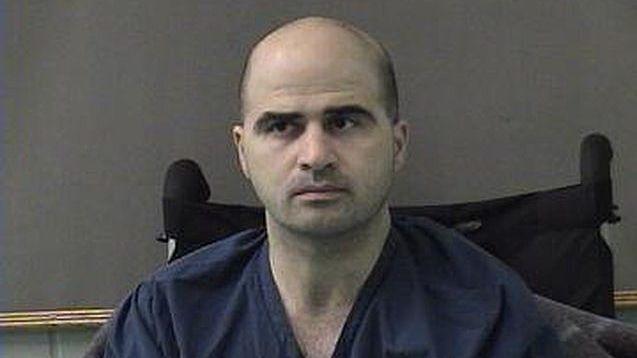
A letter signed by 72 former US military officers—including 45 generals, 12 admirals and several senior judge advocates—was released on Wednesday, calling on the Pentagon to cancel plans to stream the 12 December firing‑squad death of Nidal Hasan, the Army psychiatrist who killed 13 unarmed soldiers at Fort Hood in 2009.
In the letter the senior leaders write that a live broadcast would run afoul of the Constitution’s ban on cruel and unusual punishment, turn the condemned into a political martyr and reduce the execution to a “carnival for the enjoyment of voyeurs.” They stress that the proceedings would harm the honor of the armed forces and provide propaganda material for enemies of the United States.
The decision to televise the execution was announced by Defence Secretary Pete Hegseth last week, a move that has already attracted sharp criticism from bipartisan lawmakers, historians, and faith leaders. President Donald Trump said he has approved the plan, but several senior officials have signalled that a final decision is still pending.
According to the commanders, the choice to livestream would subvert a solemn punishment and expose American society to a dangerous spectacle. They urge the President, members of Congress and the public to act to prevent what they call a “barbaric abuse of authority.”
The letter is issued amid a broader debate over the use of firing squads in the United States, as the planned execution will be the country’s first public execution in almost a century. The debate also raises questions about the public’s right to watch state‑mandated violence and the ethical responsibilities of the military establishment.