In brief
Women in Afghanistan have been ordered to cease their midwifery training, cutting off one of the last avenues for higher education. This action follows the Taliban's ongoing restrictions on female education since their return to power in 2021. The impact on women’s healthcare and the overall education system remains uncertain as protests and despair ensue among the affected students.
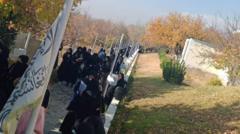
Women pursuing midwifery and nursing education in Afghanistan have faced a devastating blow as they reported being ordered to stop attending classes. This latest directive from the Taliban means the closure of several institutions that offered these training programs, effectively shutting down one of the last means for women to gain further education in the country. Videos published online depict students in distress after receiving the news, illustrating the emotional toll of this development.While the Taliban’s health ministry has not yet officially confirmed the order, the decision aligns with their broader policy restrictive to female education, which has already barred teenage girls from secondary and higher education since August 2021. The Taliban had previously suggested that girls would be allowed back into schools once curriculum issues—supposedly deemed "Islamic"—were resolved, yet no progress has been made on this front.In recent months, midwifery and nursing had emerged as one of the few career options openly available to women, especially as male healthcare workers are prohibited from treating female patients without a male guardian present. Just a few months prior, access to a Taliban-run midwifery training center allowed young women to pursue vital skills for their communities, with participants expressing pride in their contributions to society.Now, the fate of these students and approximately 17,000 women currently in training programs hangs in limbo. Sources from the Ministry of Health have confirmed the ban off the record to BBC Afghan, raising concerns about the future of women in healthcare. Videos from various training facilities show trainees crying and singing in defiance as they depart. One student expressed her fears about repercussions from Taliban officials for simply congregating in the courtyard.As many students faced sudden upheaval just when the semester was concluding and exams were approaching, the uncertainty is palpable. One student recounted being ordered to leave quickly and not to linger for fear of Taliban officials’ presence, signifying a tense atmosphere of intimidation.The implications of these educational disruptions go beyond personal losses for female trainees, as Afghanistan desperately needs more midwives to address its poor maternal healthcare—reported by the World Health Organization as having one of the highest mortality rates globally, with 620 women per 100,000 live births. The urgent question remains: what impact will these restrictions have on the country’s healthcare system and women's rights as a whole?