In brief
Faced with the driest July on record, Puerto Rico has shut down water mains for rotating 48‑hour periods, leaving tens of thousands without running water. The decision, driven by a depleted Carraízo reservoir and extensive pipeline leaks that lose 65% of produced water, follows past rationing attempts in 2015 and 2020. Governor Jenniffer González says climate‑driven weather patterns and sediment buildup have exacerbated the crisis, while FEMA is offering assistance.
Puerto Rico has imposed 48‑hour water shut‑off periods across large swaths of the island to cope with an unprecedented drought, leaving hundreds of thousands without running water for two days at a time. The move comes after the Carraízo reservoir, which supplies most of the territory’s water, has been severely depleted and the island’s aging pipeline network, where 65% of produced water is lost or unbilled, has struggled to cope with the scarcity.
Governors and water authorities have split communities into two groups, taking each supply line out for 48 hours on a rotating basis. The capital of San Juan reported the first shutdown on Friday, sparking outcry from residents who say the rationing feels “brutal” and are uncertain about when water will return. In her statement, Governor Jenniffer González said the decision was made after “carefully evaluating the current conditions of the Carraízo reservoir in conjunction with weather forecasts” and emphasized that the situation was “beyond our control.”
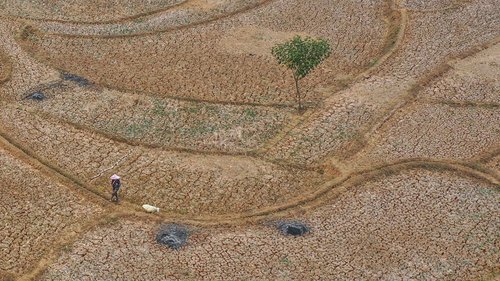
The U.S. Drought Monitor indicates that 68% of Puerto Rico is now under moderate to severe drought, a figure that researchers link to long‑term climate change. Besides dry weather, officials point out that sediment buildup in reservoirs and persistent leaks have further lowered available water. Similar rationing schemes were enforced in 2015 and 2020, with households receiving running water only every third day when water supplies ran critically low.
Residents have lined up at distribution trucks to fill large containers as mains stay out, with some areas experiencing confusion over which homes are scheduled for the 48‑hour “on” period and which will be “off.” In the Morcelo area south of San Juan, people reported not receiving water during the first 24 hours of the scheduled period, leaving them anxious about the next 24.
Governor González mentioned the threat of over 1,000 wildfires currently burning across the island and noted that rain might return once a Saharan dust cloud passes over the Caribbean. Although the United States Federal Emergency Management Agency (FEMA) has been contacted for additional support, details of federal assistance remain sparse at this time. The island’s electricity grid, devastated in 2017 by Hurricane María, still underpins the water crisis, as past hurricanes have highlighted the interconnected nature of infrastructure resilience and climate hazards.