In brief
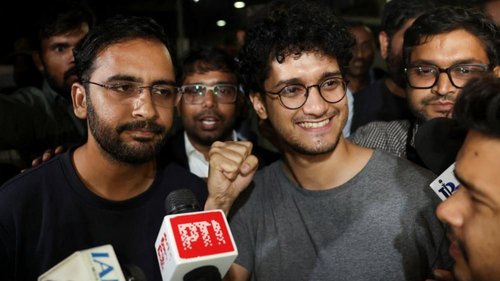
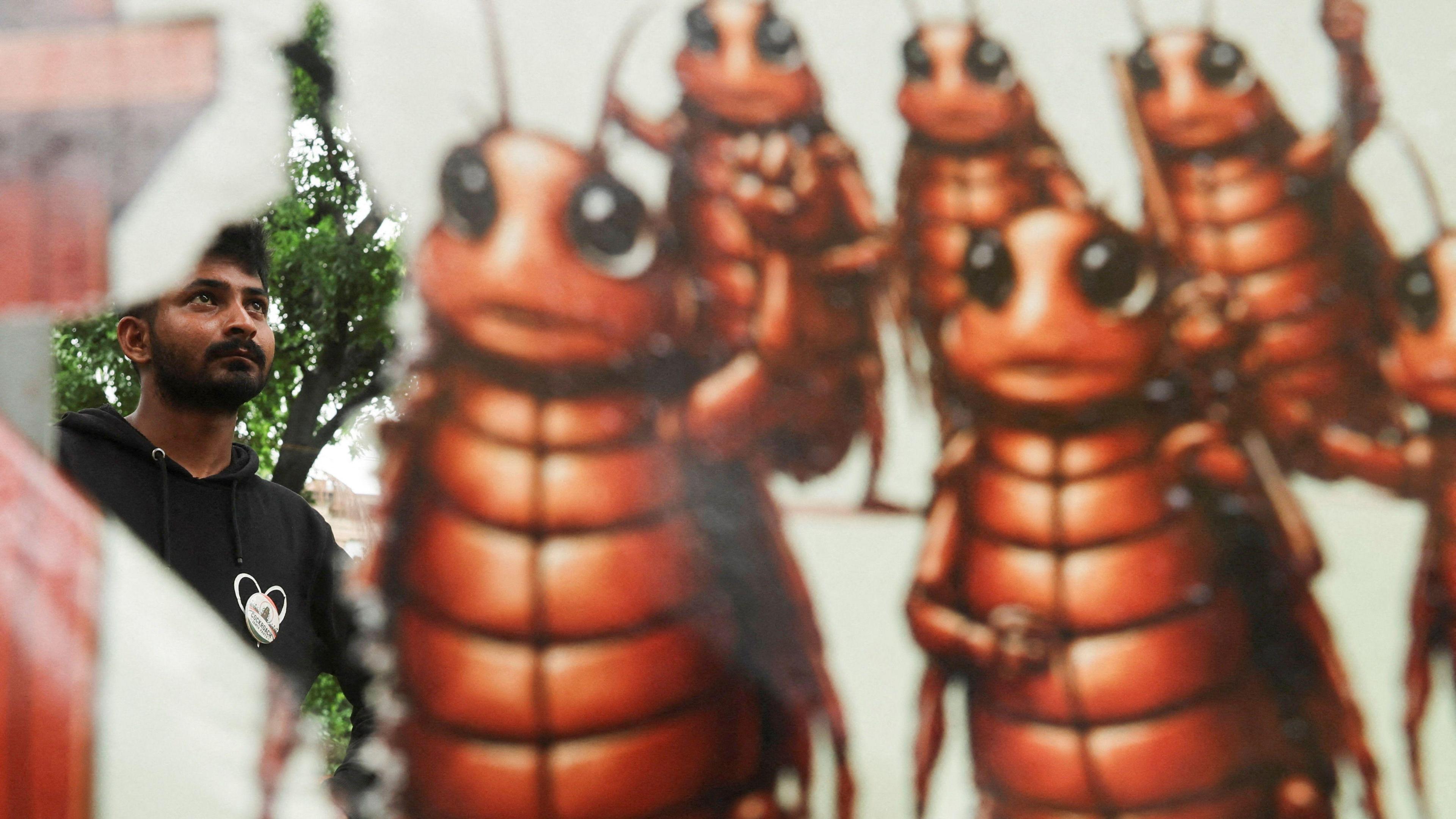
In July 2026, thousands of Indian youth gathered in Delhi demanding accountability from the government. Police fired tear gas and baton‑charged the crowd, yet protestors immediately began filming the chaos, creating memes that highlighted both the brutality and their defiant humor. The viral videos and satirical captions became a powerful narrative tool that reframed the protest for an online audience. Experts explain that, for a generation raised on social media, memes serve as emotional solidarity and a means of preserving memory. The case illustrates how contemporary protests merge real‑world action with digital content, turning every moment of danger into a shared story of resilience.
On the evening of July 20, 2026, 20‑year‑old Chhavi paused near a Delhi metro station to film a quick fit check before joining her protest. Hours later, riot police sprayed tear gas and used batons against a massive crowd of the Cockroach Janta Party (CJP). While the clash unfolded on the streets, the protesters’ phones captured every burst of smoke and every scramble for escape.
When their internet connection returned, the footage spread on Instagram and TikTok as memes that mixed anger, fear and a dry sense of humor. One reel showed a participant still smiling while waving a black flag next to a police baton. Another joked about the scent of tear gas, painting it a “flavor” that ranked below the smell of the city’s eastern neighbourhoods.
Experts say the choice to document the moment immediately transforms the protest into a participatory narrative. “Humor is not a distraction,” notes Nishant Shah of the Digital Narratives Center. “It anchors the experience, making the memory of the event resilient against the noise of fear.”
For young protesters, the act of filming is inseparable from the act of protesting. Man, a 19‑year‑old engineering student, later posted a work‑out style reel whose final frame displayed the miles he had run while evading a baton charge. “If humour can make conversations accessible, why not use it?” he said.
The memes did more than entertain—they shaped public discourse. By remixing the images of violence with playful captions, the youths anticipated the narrative that would survive beyond the protests. This generation’s activation strategy underscores how digital content becomes an essential tool of resistance, blending immediacy with enduring storytelling.
*Names of participants are changed to protect their privacy.*
Follow the movement on Instagram: BBC News India, YouTube: BBC News India, X: BBC India, and Facebook: BBC India.