In brief
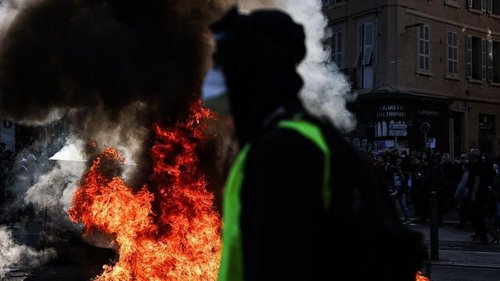
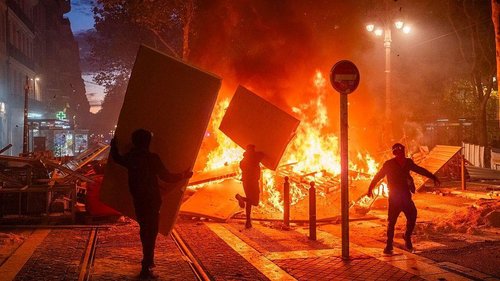
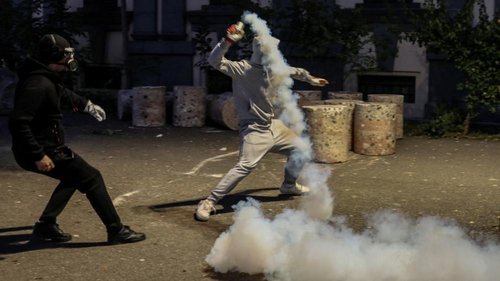
Following a weekend of protests that escalated into looting and arson, authorities rolled out a 23:00‑06:00 curfew in parts of central Paris and similar restrictions in Marseille, Bordeaux, Nice, Lyon and Lille. More than 2,500 people were arrested, one protester lost a hand to a police grenade, and police suffered around 1,000 injuries. Interior Minister Laurent Nuñez faced calls for resignation, while Prime Minister Sébastien Lecornu announced funding for rebuilding damaged neighbourhoods and provisions for those prevented from working.
Curfew imposed in parts of central Paris and other cities after rioting across France
French authorities banded together to tighten the night‑time rhythm of Paris and other major towns after a weekend of widespread protests turned to looting and arson.
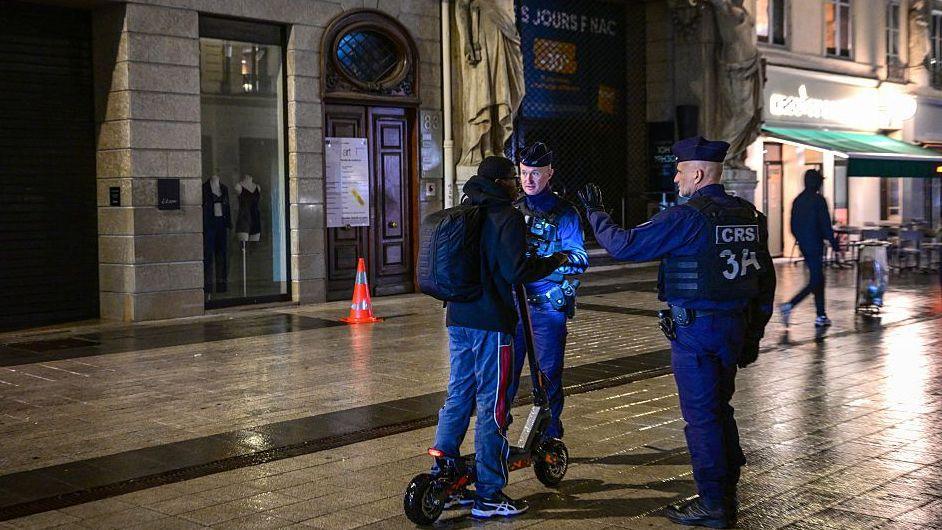
In the capital, police announced a curfew for 23:00 local time (21:00 GMT) until 06:00 in the Place de la République and the Les Halles shopping district. A broader ban on unauthorised gatherings was also put in place across the city centre.
Other cities were not spared. Partial curfews targeting around‑young citizens and public assemblies ran in Marseille, Bordeaux, Nice, Lyon, Lille and several towns in the north and south of France.
Interior Minister Laurent Nuñez, who had faced heavy criticism for the perceived lack of preparedness, admitted that police in some cities “lost control.” He attempted resignation on Sunday, but President Emmanuel Macron declined, citing the need for continuity in law‑enforcement leadership.
A crisis meeting on Monday gave mayors the authority to impose curfews where they deem necessary, though no city had yet been named. Prime Minister Sébastien Lecornu said the government would earmark funds for rebuilding damaged districts and oblige perpetrators to reimburse the costs. He also hinted at a temporary unemployment scheme for those whose work was halted by the unrest.
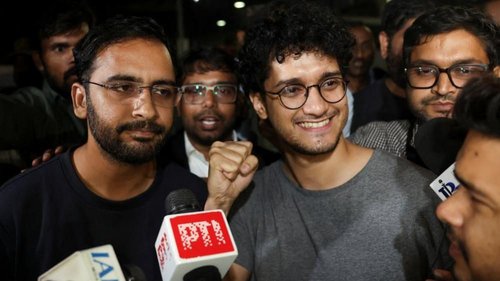
The protest wave traced its roots to student calls for better school conditions but quickly widened to include demands over rising fuel prices, the cost of living and falling public services. More than 2,500 people were taken into custody. One protester’s hand was reportedly severed by a police stung‑throwing grenade. Roughly 1,000 officers sustained injuries.
Meanwhile, 200 investigators sifted through CCTV footage to pinpoint possible leaders, while 2,000 shops and businesses reported direct damage. The head of the French Chambers of Commerce and Industry estimated losses at “hundreds of millions of euros.”
The government has taken action on online sale of looted goods, banning platforms from hosting such listings. A spokesperson for Vinted said it would monitor and remove any illicit postings.
The unrest also saw historic landmarks destroyed, such as the 19th‑century city hall of Limoges, where its clock tower collapsed during the blaze. The US Embassy and other states urged their citizens to stay clear of affected areas and approach large gatherings with caution.
Political fallout continues to widen. Some left‑wing politicians, notably Jean‑Luc Mélenchon, accused the government of stirring the unrest. Pierre Lécornu, in turn, warned of “chaos” building ahead of France’s next presidential election, a claim that was rebuked by civil‑society groups blames protest organisers for the violence.