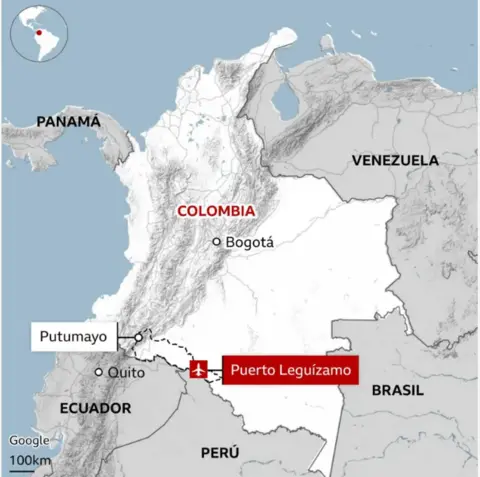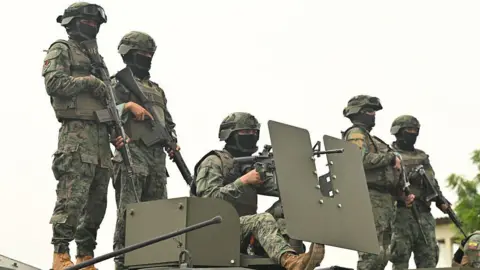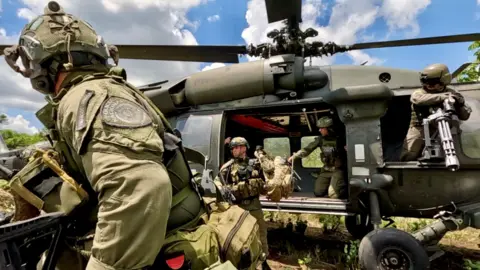
The Black Hawk helicopter was ready for take off, its rotor blades slicing through the air in the deadening heat of the Colombian Amazon. As we crammed in alongside the Jungle Commandos, a police special operations unit, the tension was palpable. This unit, originally trained by Britain's SAS and armed by the Americans, is on a mission that underscores the ongoing battle against Colombia's drug trade, which supplies about 70% of the world’s cocaine.
The commandos often face violent resistance from criminal groups and remnants of guerrilla factions that have taken the place of the notorious cartels of decades past. During the flight over Putumayo—a region intimately connected to cocaine production—signs of coca cultivation became visible amidst the lush landscape, raising awareness of the area’s dire drug-related issues.
Colombia’s Defense Minister has rebutted U.S. accusations of insufficient action against drug gangs, claiming the government has seized record amounts of cocaine while expressing the challenges posed by rising global demand. As President Biden prepares for a meeting with President Petro, issues surrounding cocaine production and trafficking remain central to discussions between the two nations.
On the ground, commandos led us to a crude cocaine lab where they found workers likely coerced into the illicit trade. Rather than making arrests, they focused on dismantling the operation by burning the lab, highlighting their strategy to disrupt drug production without addressing the underlying economic incentives for farmers.
The fight against drug production continues to evolve against a backdrop of shifting gang tactics, but for the commander overseeing these operations, each successful mission is a reminder of the larger war on drugs still raging in Colombia.
While Major Cristhian Cedano Díaz acknowledges the frustrations of battling a seemingly endless cycle of drug production, he emphasizes the importance of disrupting profits for cartel organizations, even if that means witnessing rebuilt labs upon return.
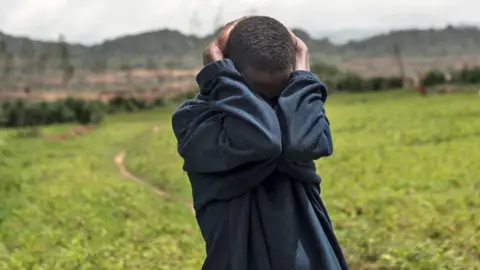
Farmer “Javier” embodies the challenges in rural Colombia, where family priorities lead many to cultivate coca despite the danger and ethical implications involved. His perspective sheds light on the human cost of Colombia's drug trade—caught between survival and the societal impacts of cocaine addiction.
The complexity of Colombia's ongoing drug crisis, involving local economies, international pressure, and evolving criminal tactics, remains a significant hurdle, illustrating that both commandos and farmers are striving for a safer future for their children amid a landscape of violence and illicit trade.