The European Commission released a statement expressing their regret regarding President Trump's announcement made during a rally in Pittsburgh, where he declared that tariffs on steel and aluminium imports would escalate from 25% to 50%. This decision is seen as undermining ongoing trade negotiations and could provoke retaliatory measures from the EU.
In the wake of Trump's announcement, the EU reiterated its commitment to continued dialogue while warning of potential countermeasures. They highlighted that this tariff increase contributes to global economic uncertainty and would raise costs for consumers and businesses on both sides of the Atlantic.
Adding to the complexity, the new tariff policy poses challenges to the recently agreed but unsigned UK-US trade deal on steel and aluminium, as the UK government seeks clarity regarding the implications of these tariffs. The UK's position has changed since leaving the EU, positioning it as the first nation to establish a trade agreement with the US post-Brexit.
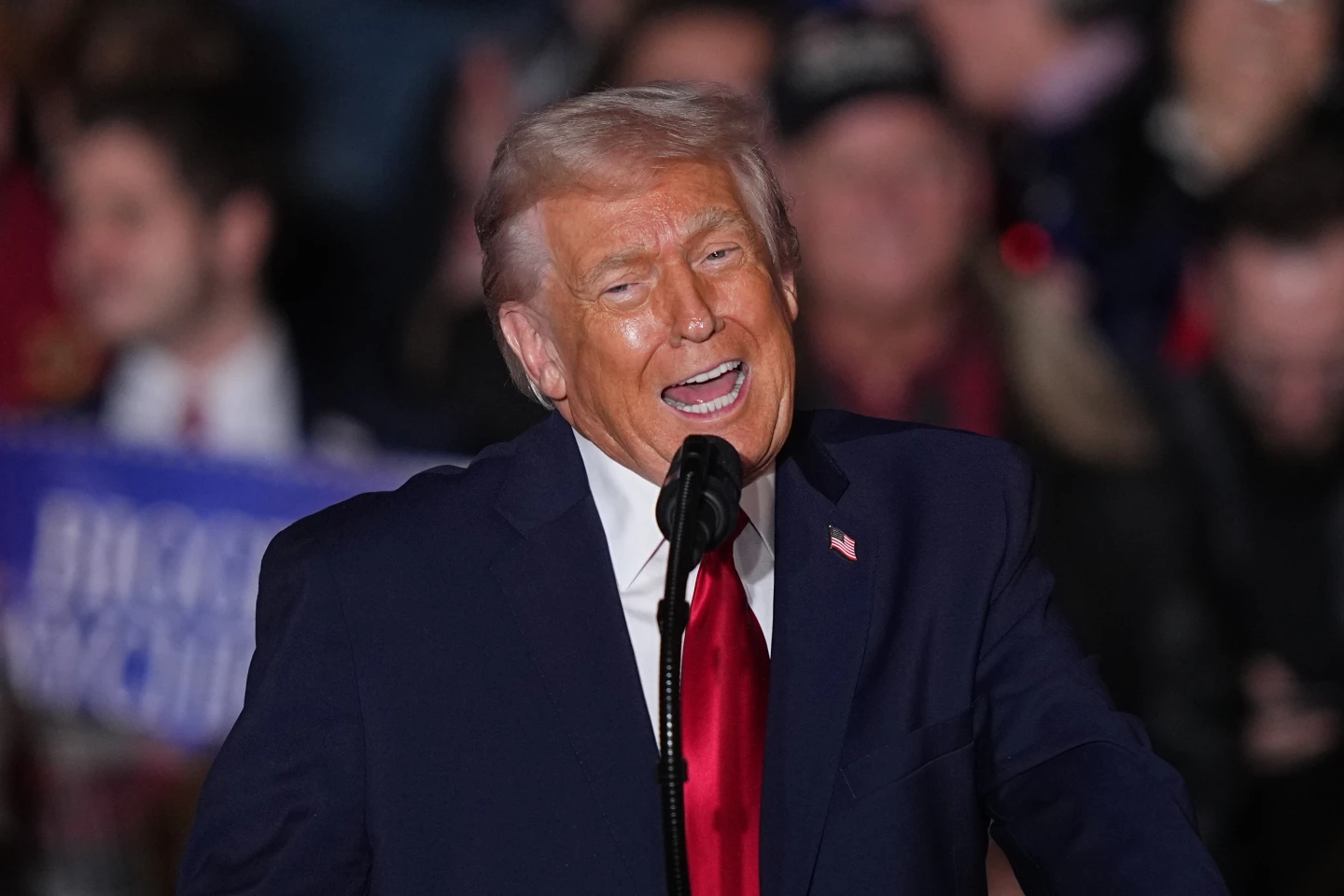
Former President Trump defended the situation during his rally, asserting that this policy would rejuvenate the domestic steel industry and lower dependence on foreign supplies, particularly from China, while announcing an investment plan for steel production. He assured his audience that the rise in tariffs would not lead to job losses and would incentivize steelworkers with bonuses.
This sudden tariff hike comes amid a legal backdrop where some tariffs are currently under judicial review, although those on steel and aluminium remain effective. Following previous back-and-forths with the EU regarding tariff negotiations, Trump extended deadlines recently while expressing frustration over the slow progress of discussions.
As the situation evolves, stakeholders on both sides of the Atlantic remain on high alert to navigate the implications of these new tariffs in a rapidly changing global trade environment.
The EU's response and potential counteractions will be critical in determining the future of transatlantic trade relations amid rising economic tensions.
In the wake of Trump's announcement, the EU reiterated its commitment to continued dialogue while warning of potential countermeasures. They highlighted that this tariff increase contributes to global economic uncertainty and would raise costs for consumers and businesses on both sides of the Atlantic.
Adding to the complexity, the new tariff policy poses challenges to the recently agreed but unsigned UK-US trade deal on steel and aluminium, as the UK government seeks clarity regarding the implications of these tariffs. The UK's position has changed since leaving the EU, positioning it as the first nation to establish a trade agreement with the US post-Brexit.
Former President Trump defended the situation during his rally, asserting that this policy would rejuvenate the domestic steel industry and lower dependence on foreign supplies, particularly from China, while announcing an investment plan for steel production. He assured his audience that the rise in tariffs would not lead to job losses and would incentivize steelworkers with bonuses.
This sudden tariff hike comes amid a legal backdrop where some tariffs are currently under judicial review, although those on steel and aluminium remain effective. Following previous back-and-forths with the EU regarding tariff negotiations, Trump extended deadlines recently while expressing frustration over the slow progress of discussions.
As the situation evolves, stakeholders on both sides of the Atlantic remain on high alert to navigate the implications of these new tariffs in a rapidly changing global trade environment.
The EU's response and potential counteractions will be critical in determining the future of transatlantic trade relations amid rising economic tensions.