
In brief
Late last week, Israeli forces struck residential areas in southern Lebanon, killing nine civilians, including three children and two women. Lebanese officials condemned the attack, asserting it violated a ceasefire pledged in June. Israel cited Hezbollah‑linked hostilities as justification, claiming it targeted "terror infrastructure." The two countries remain locked in a cycle of escalation, with a new ceasefire framework calling for disarmament and gradual withdrawal yet ongoing hostilities continue to blur the lines between military and civilian targets.
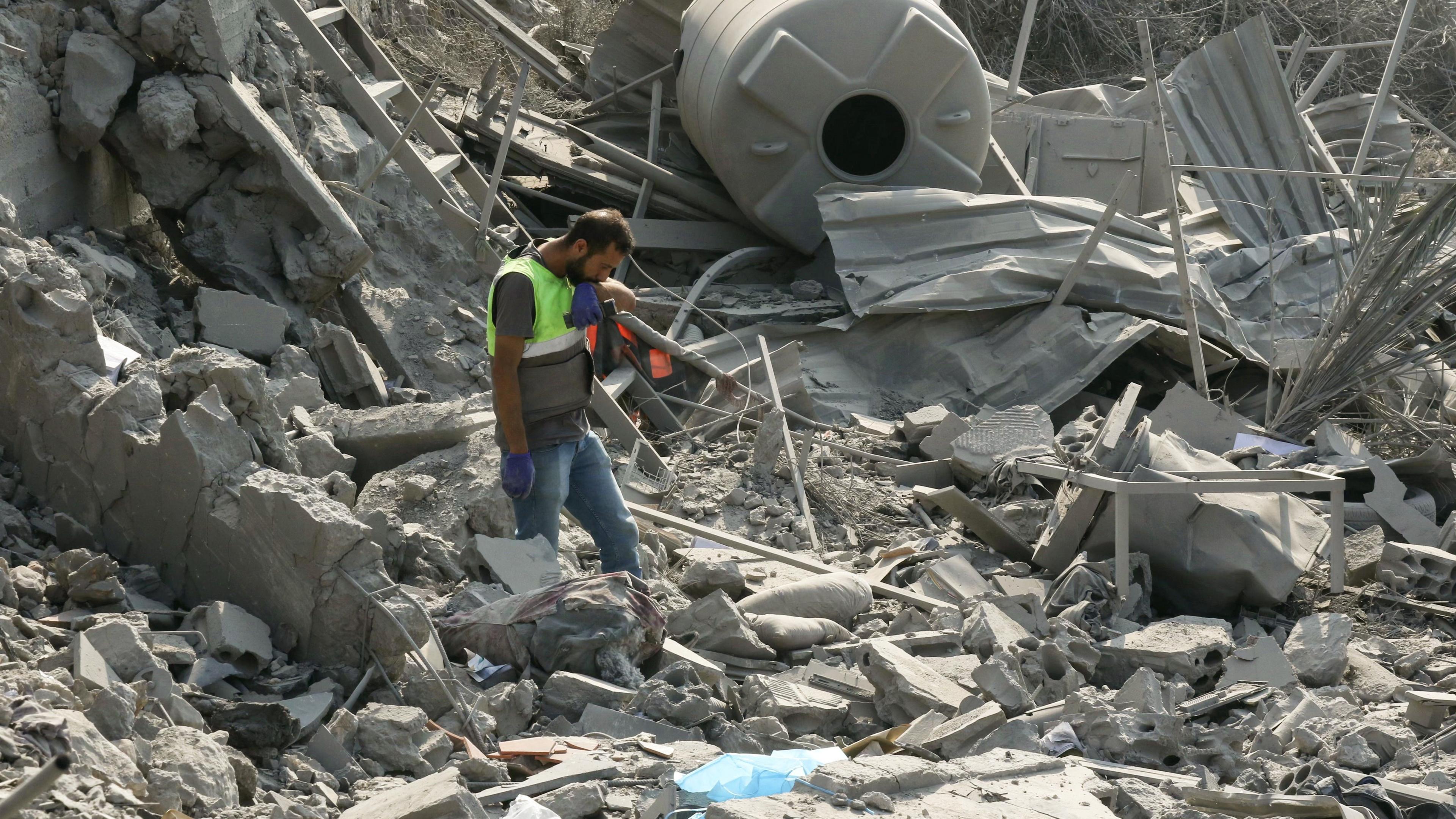
Late Saturday night, Israeli jets targeted a residential building on the outskirts of Ansar, a town in Lebanon’s southern Nabatieh district, killing seven civilians – three children and two women – according to state‑controlled media. The strike, carried out around 04:30 local time (01:30 GMT), came after reports of a Hezbollah attack on Israeli soldiers that day.
Lebanese Prime Minister Nawaf Salam called the attacks "unacceptable" and bluntly accused Israel of violating the June ceasefire agreement that called for the disarming of Hezbollah and a gradual Israeli withdrawal from southern Lebanon.
The Israeli Defence Forces (IDF) defended the operation by saying it was aimed at eliminating “Hezbollah terror infrastructure” beyond a high‑ground ridge that overlooks much of the border area. Israeli forces continue to maintain a 10‑kilometre deep buffer zone in the region.
Additional strikes on Saturday hit the town of Deir al‑Zahrani, where two more residents died and nine were wounded, according to the Lebanese Ministry of Health. Images circulating on social media show smoke billowing over Ansar’s streets as sirens echo across the village.
The recent escalation follows the broader conflict that ignited when Hezbollah fired rockets into Israel in early March 2026, sparked by a strike that killed Iran’s supreme leader. Israel’s response has involved bombing campaigns across southern Lebanon and the occupation of about 5 per cent of Lebanese territory.
Despite the 2026 ceasefire framework’s goals – disarmament of Hezbollah, withdrawal of Israeli forces, and deployment of the Lebanese army – the side‑by‑side realities of fighting persist. Lebanese President Joseph Aoun denounced Israel’s repeated violations, demanding the halt of escalation to protect civilians’ rights to life and land.
Negotiators from both sides are expected to convene for an eighth round of talks in September, though a fixed date remains unsettled. The recent attacks illustrate the fragile nature of the ceasefire and the urgent need for comprehensive diplomatic engagement to end the cycle of violence in the region.

