New Videos Expose Omar al‑Bayoumi’s Dark Ties in 9/11 Lawsuit
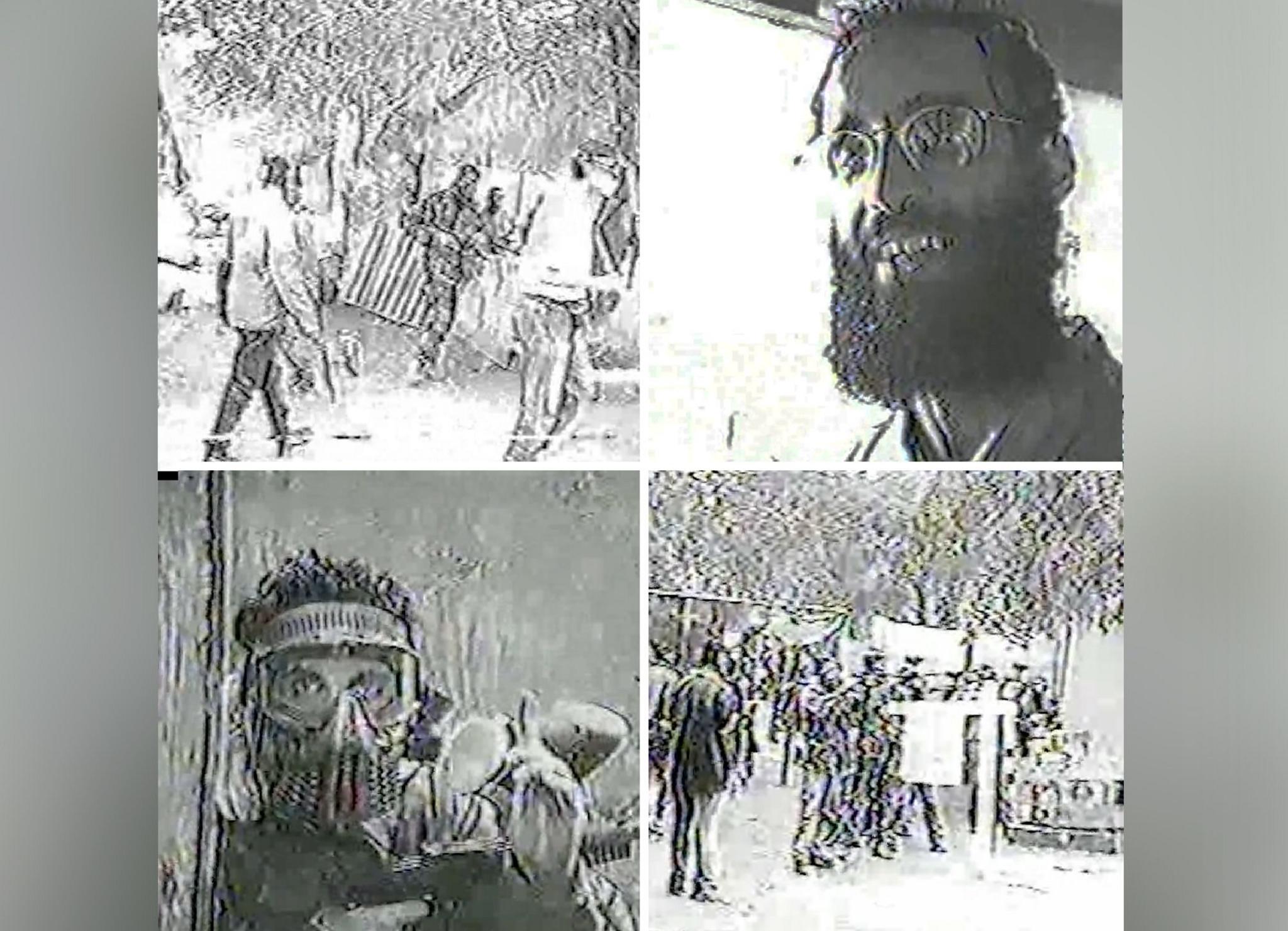
BBC Panorama’s latest investigation has unearthed previously unseen footage that paints Omar al‑Bayoumi—at the centre of a $1 trillion lawsuit filed by 9/11 families—as far more entangled with Saudi officials and extremist networks than he has claimed. The clip shows Bayoumi briefly embracing Anwar al‑Awlaki, who would later lead al‑Qaeda in the Arabian Peninsula, while a Saudi ministry official watches from a distance.
The footage dates back to 1997‑1998 in San Diego, where Bayoumi was believed to be studying English while organising religious events. In a separate radio‑clip he is seen paint‑balling with Awlaki and other men, all wearing military fatigues and shouting “Allahu Akbar.” The videos, seized in the wake of the attacks and held in Bayoumi’s Birmingham, UK home, add weight to the 9/11 families’ case that the Saudi state had covertly aided the hijackers.
Further evidence discovered in Bayoumi’s possessions includes a handwritten note diagramming a plane’s descent trajectory—an alleged ‘smoking gun’ of his knowledge of the attacks. Despite the FBI’s New York office receiving the image, no comprehensive analysis was made, and subsequent investigations never taken the diagram into account.
When Bayoumi was arrested by the Metropolitan Police on 21 September 2001, FBI agents were reportedly blocked from interviewing Saudi diplomats he had met in the United States. This operational blockade may have deprived authorities of key testimonies that could have linked him to the hijackers Nawaf al‑Hazmi and Khalid al‑Mihdhar.
The 9/11 Commission, which interviewed Bayoumi in Riyadh, ultimately cleared him of extremist involvement—though some staffers argued he was an unlikely candidate for covert collaboration. The report’s omission of the new videos and notes points to a systemic gap in intelligence sharing across agencies and countries.
While the Kingdom of Saudi Arabia and the FBI have declined to comment on the new finds, the 2024 declassification of the case filings finally released these documents to the public. The court, after a judge allowed the lawsuit to proceed in 2018, has now considered the newly surfaced evidence in its ongoing litigation.