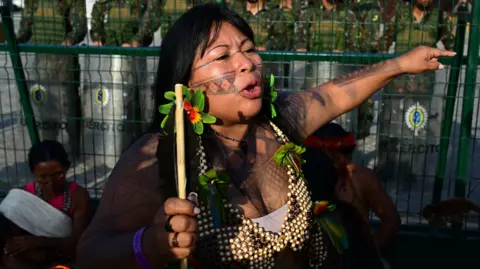
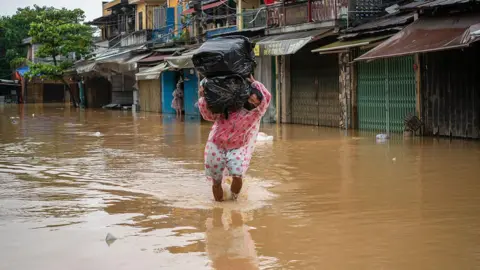
In a pivotal moment for global climate activism, a coalition of prominent experts, including former UN Secretary-General Ban Ki-moon and former UN climate chief Christiana Figueres, has issued a stern warning that the United Nations' COP climate talks are "no longer fit for purpose." They argue that a radical overhaul is necessary to meet the demands posed by a rapidly heating planet. In an open letter to the UN, these influential figures stressed that nations that do not advocate for a transition away from fossil fuels should not be allowed to host future gatherings of the COP series.
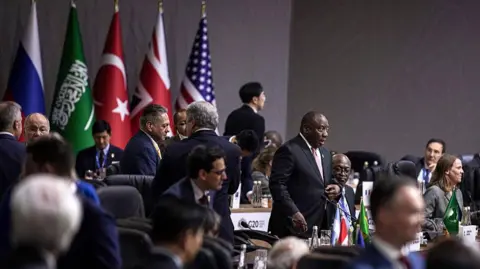
As delegates convened in Azerbaijan for COP29, the backdrop was marked by President Ilham Aliyev's assertion that natural gas is a "gift from God," a sentiment echoed amid allegations that officials were leveraging their positions at COP for fossil fuel deals. This has raised eyebrows about the intentions of hosting nations, especially after revelations that Azerbaijan's COP29 team had discussions regarding investment in its oil and gas sectors just before the conference commenced.
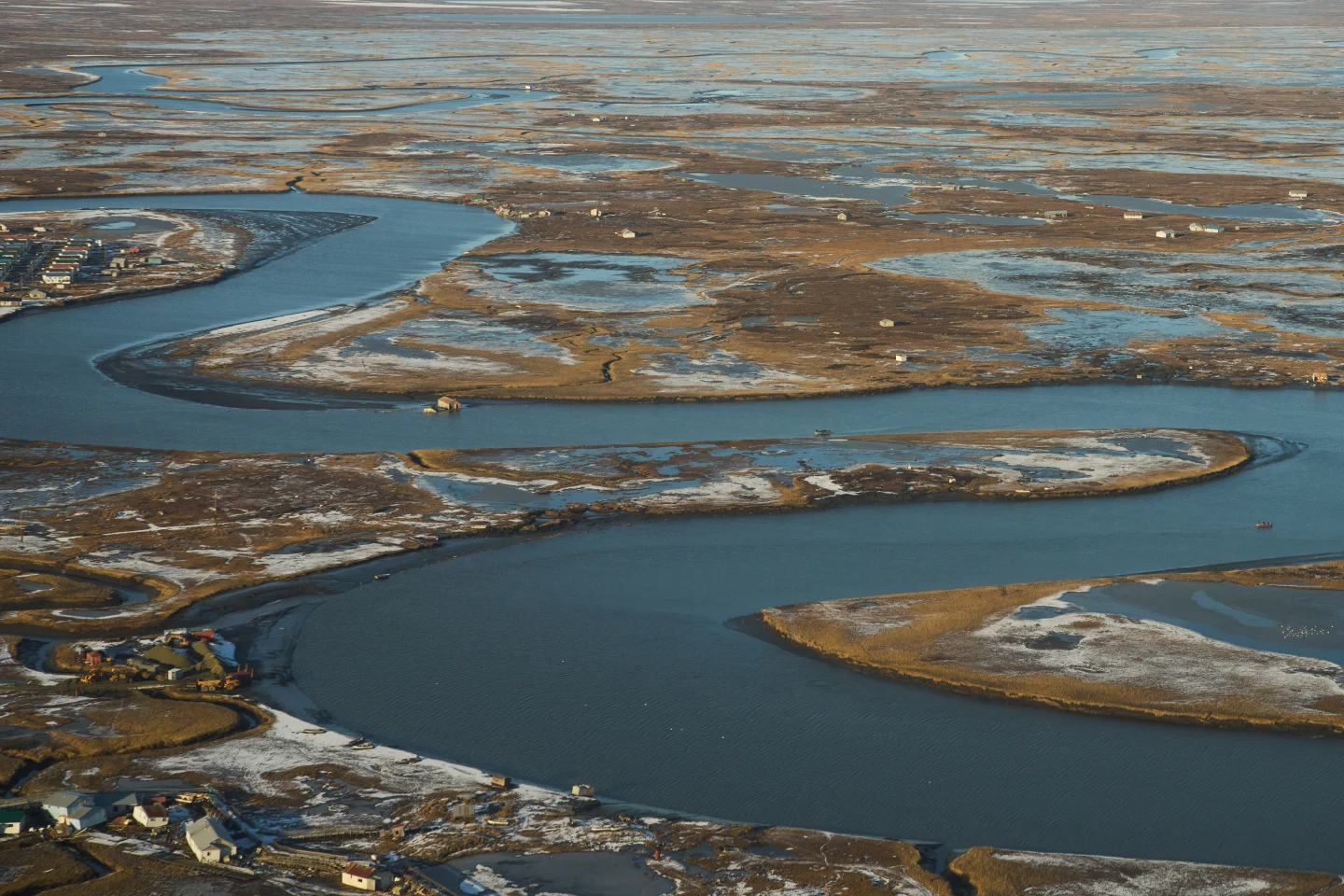
Despite notable achievements from the Paris Agreement of 2015, the ongoing rise in greenhouse gas emissions presents a dire warning about the state of global climate efforts. The experts, including esteemed climate scientist Johan Rockström, emphasized that the impact of climate change is already outpacing nations’ ability to respond effectively, highlighting a pressing need for a revamped process that can facilitate rapid and transformative action.
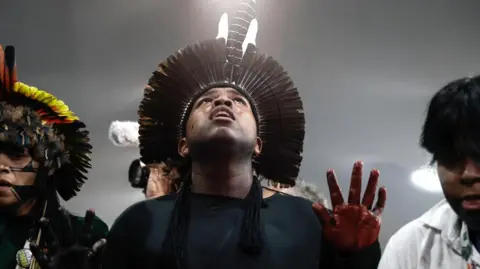
Critics express concern over the recent selection of fossil fuel-dependent countries as hosts of crucial climate talks, questioning their commitment to genuine climate action. They claim that the disproportionate presence of fossil fuel lobbyists at the last conference compromised advocacy for equitable climate solutions for the most affected communities, including Indigenous populations and developing nations.
The letter calls for a new approach where host countries display a steadfast commitment to the principles of the Paris Agreement, alongside a proposal for smaller, more frequent COP meetings that allow for greater accountability regarding the nations' climate pledges. Such reforms are deemed essential for achieving a just, effective response to the inescapable climate challenges ahead.