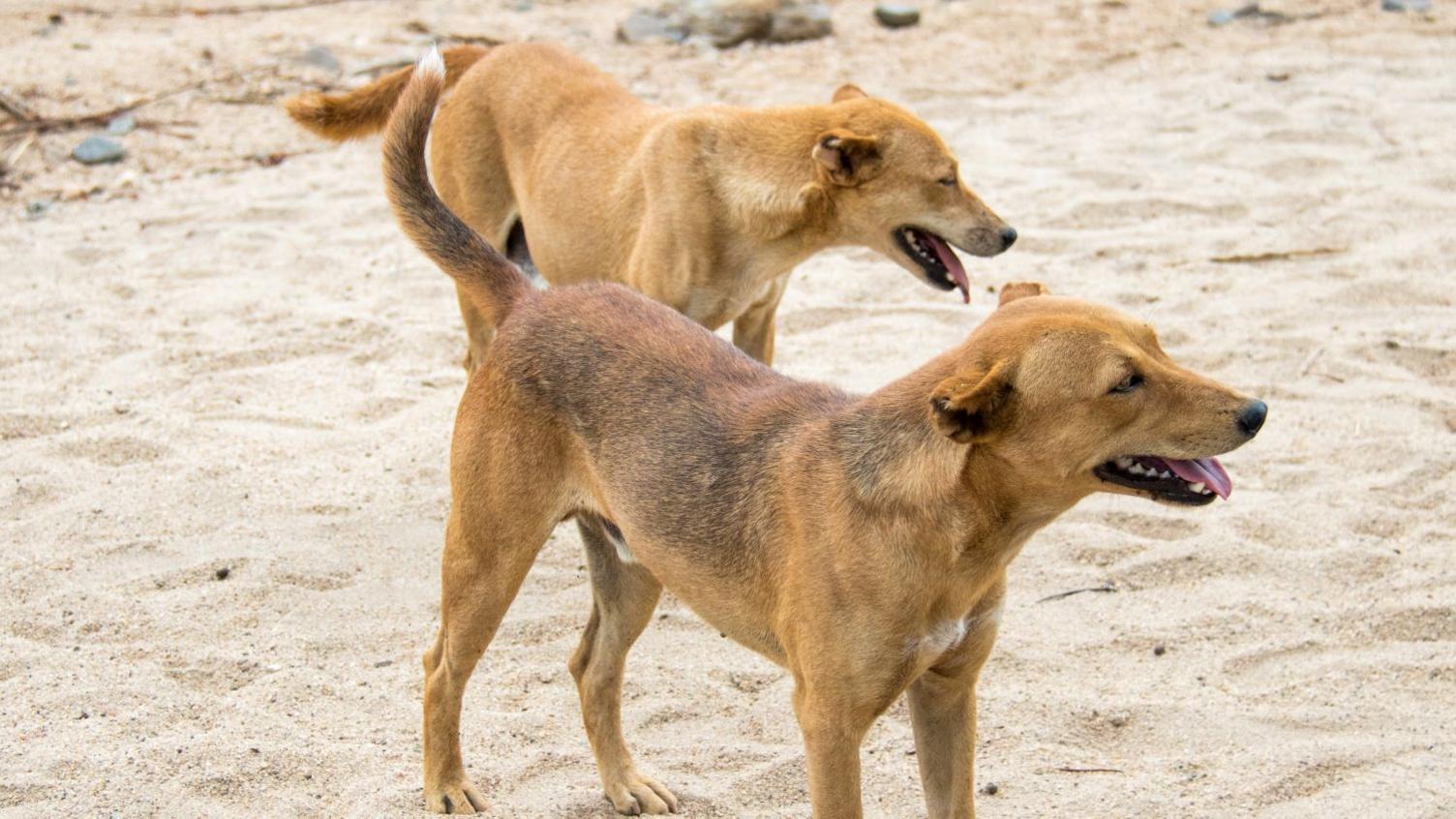
In the central Ethiopian town of Hossana, residents faced a harrowing dilemma after a rash of rabies cases claimed three children’s lives. According to local community groups, the resurgence of the disease prompted the government to order the cull of thousands of dogs, regardless of their vaccination status.
Local Mayor Samuel Shigute told the BBC that around 80 people were hospitalised and that authorities threatened owners with fines of 50,000 birr ($300) or arrest if they failed to kill their dogs. He described the killings as illegal, saying his administration did not issue the order.
Veterinarians and animal‑rights advocates have expressed outrage. Veterinary specialist Alaazar Ayele said he estimated between 400 and 450 dogs were put down in a few days, noting that many were guided to death by “shocking” methods, including hanging and strapping.
Despite police intervention that reportedly halted the killings within a day, activists warn that a legacy of fear persists, as community members continue to force owners to dispose of unvaccinated pets. Feven Melese, head of an animal‑rights organisation in Addis Ababa, has called for swift legal action against those responsible.
Experts say rabies remains a severe public health threat, particularly in areas where dog vaccination is inconsistent. The deaths have ignited a debate over the balance between disease control measures and animal welfare and highlighted gaps in Ethiopia’s public health infrastructure.
Further information can be found by visiting BBCAfrica.com or following @BBCAfrica.