Malaysia Begins Controversial Repatriation of 5,000 Asylum Seekers to Myanmar

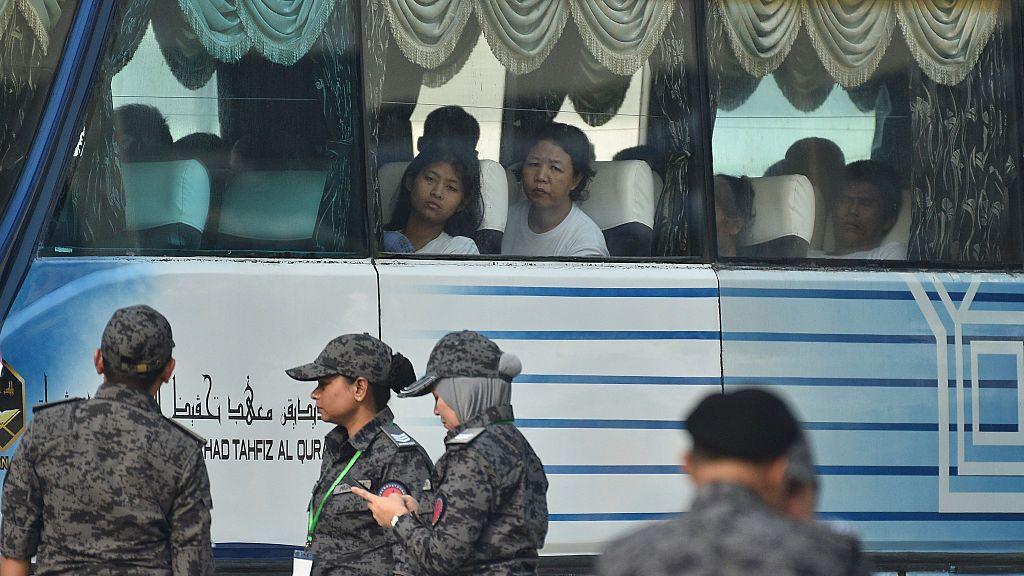
The Malaysian government has started the transfer of roughly 5,000 asylum seekers from Myanmar, a move authorised by a deal with Myanmar’s military leadership under Min Aung Hlaing. On Tuesday, three navy ships left Malaysian waters carrying the first 1,476 returnees.
Human‑rights organisations have decried the operation, warning that returnees could be exposed to violence, persecution, or forced conscription into Myanmar’s armed forces. Malaysia claims the deportations are voluntary, but officials have barred the UN refugee agency from inspecting detainees, who are held in Malaysian detention centres.
Anwar Ibrahim’s Tightening Grip on Public Sentiment
Prime Minister Anwar Ibrahim, who came to power on a platform of human rights and inclusivity, claims he is forced to act due to growing hostility toward the sizeable Muslim Rohingya community in Malaysia.
"We can arrest them, but do not beat, intimidate or humiliate them," Anwar said in a recent interview. “They have become a security and economic burden.”
His stance has been described by former anti‑corruption chairman Latheefa Koya as "disgraceful, amoral, and shameful to the nation," signalling a stark departure from his earlier advocacy for Rohingya rights.
Why the Shift?
- The after‑effects of the COVID‑19 pandemic have intensified economic hardship, stoking resentment toward immigrants.
- Malaysia’s political landscape has become volatile since 2018, forcing Anwar to rely on shaky coalitions with the once‑dominant UMNO.
Anwar’s coalition has faced erosion of public support, and he must call a general election by 2028. This urgent electoral calculus is driving his hardline rhetoric.
The Reality of Returning to Myanmar
Rohingyas, who lack citizenship rights in Myanmar, were deported on boats without valid documents. Even if returned, they could not legally be in the north‑western Rakhine State, where the insurgent Arakan Army governs. Recent attacks in Burmese border towns underscore the peril.
Rohingyas in Myanmar are confined to camps with severe shortages of food, medicine and employment. Human‑rights groups fear that men could be conscripted into the conflict. No concrete plan has been offered by either government to ensure safe returns.
Voices of the Displaced
“Rohingya refugees want to return only when it is safe and voluntary, not forced,” said Nur Sadek, a refugee rights advocate.
Anwar maintains that new negotiations could bring more returns in the future. Yet Bangladesh has struggled to secure any major repatriation of its 300,000‑plus Rohingya population.
The repatriation reflects a wider global trend where host countries balance humanitarian duties against domestic pressures. For Malaysia, the decision may buy short‑term political advantage but risks eroding trust in its human‑rights commitments and endangering thousands of vulnerable refugees.