As the migrants begin their new lives, there's growing concern over the territory's future, with negotiations between the UK and Mauritius regarding the Chagos Islands. The UK has faced criticism over the handling of the migrants’ situation, but government officials maintain that measures are in place to prevent future migration challenges from arising.
The article text:
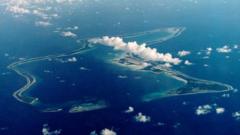
Migrants stranded for more than three years on the remote Indian Ocean island of Diego Garcia have been brought to the UK. The Sri Lankan Tamils, which number around 60, are permitted to remain in the country for six months, with financial support from the Foreign Office, according to documents seen by the BBC. Their journey to the UK marks the end of years of complex legal battles over their fate, but their long-term future remains uncertain.
Most of the group have been living in a makeshift camp on Diego Garcia—home to a strategic UK-US military base—since October 2021, when they made history by being the first individuals to file asylum claims there. On Monday, a government spokesperson described the move as a "one-off" due to the exceptional nature of these cases and in the interests of their welfare. The spokesperson added, "This government inherited a deeply troubling situation that remained unresolved under the last administration for years."
Tessa Gregory, a representative from UK law firm Leigh Day, which has been advocating for some of the migrants, described it as the "only sensible solution to end the humanitarian crisis" on the island. She stated, "This vulnerable group, which includes 16 children, have spent 38 months detained in the most squalid of conditions on Crown land... we hope our clients will now be able to seek safe haven and begin to rebuild their lives."
The BBC gained unprecedented access to Diego Garcia earlier this year, revealing the dire living conditions where the Tamils were housed in military tents beset by leaks and vermin. During their time on the island, there were frequent hunger strikes, self-harm incidents, and troubling reports of sexual assault and harassment within the camp. Migrants described their experience as "like living in hell."
The arrival of the Tamils in the UK comes amidst ongoing instability regarding the territory's status. Recently, the UK announced plans to cede control of the Chagos Islands to Mauritius, a deal which the new Mauritian prime minister is hesitant to accept without a thorough review. In the UK, the deal has faced criticism from several political figures and supporters of US President-elect Donald Trump.
Foreign Secretary David Lammy defended the arrangement, emphasizing its mutual benefits for both Mauritius and the UK while addressing US concerns about the Diego Garcia base. Over recent years, the territory has cost the UK tens of millions of pounds, primarily attributed to "migrant costs."
Documents sent by the Home Office to the Tamils indicated they would be granted temporary entry clearance to the UK "outside of the Immigration Rules" for six months, allowing them to explore their "long-term options." However, it cautioned that this offer does not equate to permanent settlement or refugee status and prohibited the group from working.
The government has previously stated that admitting the Tamils could lead to a "backdoor migration route," but reassured that measures are in place to prevent similar situations from arising in the future. The spokesperson mentioned potential arrangements to send future arrivals to St Helena, a UK territory located 5,000 miles away, once a sovereignty agreement with Mauritius is established. Meanwhile, many Tamils remain in limbo as they await decisions on their ongoing claims for international protection.
The article text:
Migrants stranded for more than three years on the remote Indian Ocean island of Diego Garcia have been brought to the UK. The Sri Lankan Tamils, which number around 60, are permitted to remain in the country for six months, with financial support from the Foreign Office, according to documents seen by the BBC. Their journey to the UK marks the end of years of complex legal battles over their fate, but their long-term future remains uncertain.
Most of the group have been living in a makeshift camp on Diego Garcia—home to a strategic UK-US military base—since October 2021, when they made history by being the first individuals to file asylum claims there. On Monday, a government spokesperson described the move as a "one-off" due to the exceptional nature of these cases and in the interests of their welfare. The spokesperson added, "This government inherited a deeply troubling situation that remained unresolved under the last administration for years."
Tessa Gregory, a representative from UK law firm Leigh Day, which has been advocating for some of the migrants, described it as the "only sensible solution to end the humanitarian crisis" on the island. She stated, "This vulnerable group, which includes 16 children, have spent 38 months detained in the most squalid of conditions on Crown land... we hope our clients will now be able to seek safe haven and begin to rebuild their lives."
The BBC gained unprecedented access to Diego Garcia earlier this year, revealing the dire living conditions where the Tamils were housed in military tents beset by leaks and vermin. During their time on the island, there were frequent hunger strikes, self-harm incidents, and troubling reports of sexual assault and harassment within the camp. Migrants described their experience as "like living in hell."
The arrival of the Tamils in the UK comes amidst ongoing instability regarding the territory's status. Recently, the UK announced plans to cede control of the Chagos Islands to Mauritius, a deal which the new Mauritian prime minister is hesitant to accept without a thorough review. In the UK, the deal has faced criticism from several political figures and supporters of US President-elect Donald Trump.
Foreign Secretary David Lammy defended the arrangement, emphasizing its mutual benefits for both Mauritius and the UK while addressing US concerns about the Diego Garcia base. Over recent years, the territory has cost the UK tens of millions of pounds, primarily attributed to "migrant costs."
Documents sent by the Home Office to the Tamils indicated they would be granted temporary entry clearance to the UK "outside of the Immigration Rules" for six months, allowing them to explore their "long-term options." However, it cautioned that this offer does not equate to permanent settlement or refugee status and prohibited the group from working.
The government has previously stated that admitting the Tamils could lead to a "backdoor migration route," but reassured that measures are in place to prevent similar situations from arising in the future. The spokesperson mentioned potential arrangements to send future arrivals to St Helena, a UK territory located 5,000 miles away, once a sovereignty agreement with Mauritius is established. Meanwhile, many Tamils remain in limbo as they await decisions on their ongoing claims for international protection.