
In brief
The EU signals readiness to negotiate while solidifying countermeasures amid economic concerns for member states.
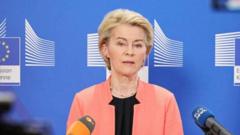
Despite anticipating potential trade wars, European leaders were taken aback by former President Donald Trump's announcement of blanket tariffs, with some figures describing it as catastrophic for the global economy. French Prime Minister François Bayrou did not mince words, stating the consequences could be dire for global employment and trade dynamics. The European Commission, led by President Ursula von der Leyen, has conveyed a strong message about being prepared to negotiate but also stands ready to impose counter-tariffs.As negotiations between EU Trade Commissioner Maros Sefcovic and U.S. counterparts loom, European nations are taking measures to safeguard their economies. Italy, with significant agrifood and wine exports to the U.S., has been quick in organizing emergency meetings to tackle looming crises, as fears grow over market share losses tied to tariffs. Spanish Prime Minister Pedro Sánchez criticized Trump's claims about EU tariffs, calling them misleading and a mask for protectionism that ultimately harms the U.S. economy.European businesses are bracing for impacts; the Spanish Chamber of Commerce estimates a substantial decline in exports, particularly in machinery and electrical equipment. Slovakia and Poland are highlighted as being particularly vulnerable given their reliance on exports. France’s wine industry anticipates considerable financial losses, with smaller businesses like Rocco Mangiaracina's olive oil brand facing immediate challenges in sustaining their U.S. market presence.In reaction to the tariffs, the EU has announced an initial package of countermeasures that may amount to €26 billion targeting American goods, specifically in agriculture, textiles, and food sectors. Proposals for broader retaliatory measures against U.S. digital services are also on the table, contingent upon support from EU member states.As the situation develops, European leaders face pressure to maintain a united front against U.S. tariffs while addressing internal economic challenges. The stakes are high as trade relations hang in the balance, with repercussions expected across numerous sectors from tech to agriculture.

