
In brief
Nigeria has officially begun the deployment of a life-saving malaria vaccine targeting children aged five to 15 months, with plans to expand its reach over the coming year. As the nation responsible for nearly a third of the world's malaria fatalities, the introduction of R21/Matrix-M is a significant advancement in addressing this critical health issue.
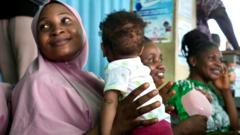
The launch took place in Bayelsa state, which, alongside Kebbi, is one of the worst-hit areas. Initial reports indicate that the vaccine is 75% effective, although health officials stress the importance of supplementing it with traditional prevention methods such as mosquito nets and insecticides. The first vaccination event was marked by the emotional moment when 11-month-old Happiness Idia-Wilson received the shot, with her mother expressing hope for the child’s future safety and urging others to follow suit.As malaria remains a leading cause of death among young children and pregnant women in Nigeria, the WHO representative in the country emphasized confidence in the combined approach of the vaccine and existing preventive strategies. The Nigerian government recognizes the immense economic burden of malaria, losing an estimated $1.1 billion annually. With other African nations, including Ivory Coast and the Democratic Republic of Congo, also rolling out the vaccine, Nigeria aims to contribute to a significant reduction in the disease's prevalence and move towards a malaria-free future. R21/Matrix-M was developed by the Jenner Institute at Oxford University and requires a series of three doses, followed by a booster after one year. While other vaccines have been tested in Ghana, Kenya, and Malawi, Nigeria's specific inclusion in global vaccination efforts has been minimal thus far. The country is committed to combining the vaccine rollout with extensive health campaigns to ensure effective public engagement and community participation.

