
In brief
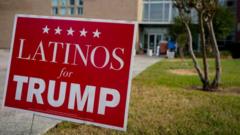
In an astonishing turn of events, Donald Trump has secured a significant electoral win against Kamala Harris, resonating deeply with traditional Democratic bases such as Latino voters and white working-class individuals. This shift has left many political analysts reeling, as exit polls indicate that Trump saw a remarkable boost among Latinos—recording a 14 percentage-point gain compared to the last presidential election.
With decisive victories in key battleground states like Pennsylvania, Michigan, and Wisconsin, Trump demonstrated that he still holds sway over white working-class voters while also expanding his appeal to Latino communities—a demographic historically aligned with Democrats. As evidenced by exit polls, Trump captured a substantial 42% of the Latino vote in Pennsylvania, a notable increase from 27% in 2020. The changing political landscape is especially visible in Pennsylvania's "Latino belt," where rising inflation has influenced voters' sentiments. Local constable Samuel Negron articulated the shift: “We liked the way things were four years ago,” citing economic stability and family values as driving factors for supporting Trump.Trump's hardline immigration stance has also garnered attention from Latino voters like Venezuelan-American Daniel Campo, who sees parallels between the current political climate and the situation in his homeland. Campo emphasized the importance of legal immigration, echoing concerns that resonated with those who prefer a stricter approach to border security.In addition to bolstered Latino support, Trump's electoral strategy extended to younger voters, reducing Joe Biden's prior advantage among those under 30. While black voters nationwide continued to support Harris in overwhelming numbers, Trump's appeal among black voters in Wisconsin saw significant growth, demonstrating an unexpected shift in demographics. This trend carried through Wisconsin's suburban counties, where Trump's message about the economy found traction, particularly among working-class voters discontented with current economic conditions. Many voters, including Ted Dietzler and Nahim Uddin, have cited inflation as their primary concern, reinforcing the notion that economic distress has led many to reassess their political affiliations.As Trump looks to solidify his coalition, it remains unclear how Democrats will adapt their messaging to recapture lost support among these crucial voter segments or if they can successfully address the economic pain that many Americans attribute to the party.


