In brief
Four missing people were found dead on South Korea's Jeju island and police mishandling of missing‑person investigations has triggered national outrage. A police sergeant accused of closing cases prematurely has been arrested, and four officers are on leave while President Lee Jae‑Myung mandates sweeping reforms. The bodies include a 37‑year‑old woman found near a palm‑tree farm and a man in his 60s who vanished in June. The incident has prompted a review of nearly 300 cases handled by the sergeant, highlighting concerns over suicide rates and police discipline.
Bodies found on South Korea's Jeju island as missing persons scandal deepens
Four missing people were found dead on Jeju island, sparking a national debate over police handling of missing‑person cases.
Police began a belated search last week for a woman who had been reported missing months earlier. The investigation claimed an earlier failure to search, raising fresh criticism.
A police sergeant named Bu has been arrested for allegedly lying to families and closing cases prematurely. Four officers under Bu are now on administrative leave, and President Lee Jae‑Myung has ordered sweeping police reforms.
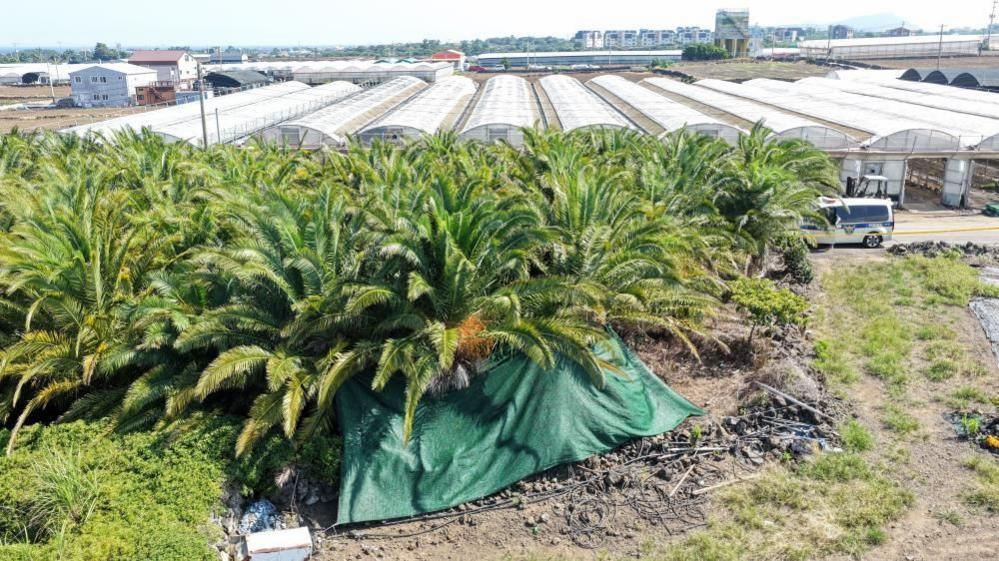
The bodies include that of 37‑year‑old Jang Mi‑ran, found at a palm‑tree farm 500 m from her home, and a man in his 60s from Jeju City, who had gone missing on 28 June. Bu had reportedly closed their cases and told families that they were safe, which turned out to be false.
The scandal has reportedly triggered an analysis of nearly 300 missing‑person reports handled by Bu. Jeju is a top tourist destination, but it also hosts a high suicide rate.
President Lee decried the “breakdown in police discipline” during a cabinet meeting, and the national police chief admitted systemic faults during a parliament hearing.
The police reform that transferred investigative power to the police has faced public anger, amid long‑standing accusations of corruption and inefficiency.