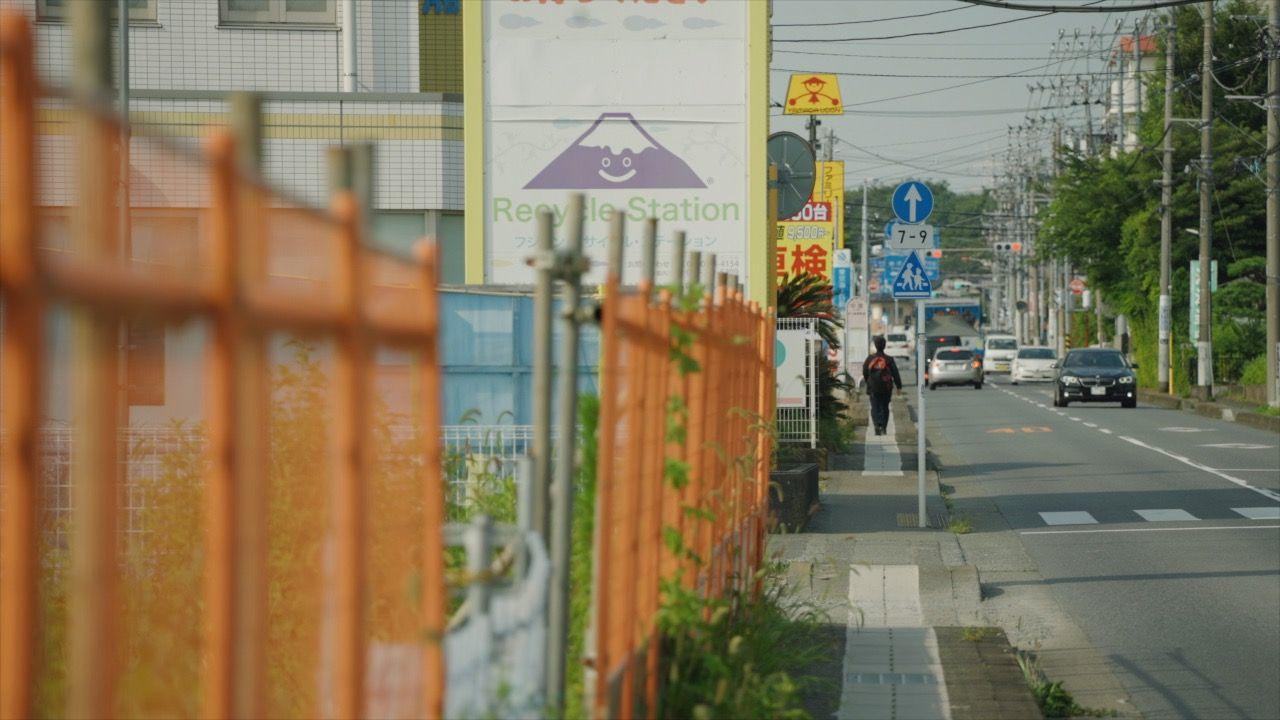
Today, a strip of grass in a quiet Japanese town will soon host the first mosque, sparking a wide range of reactions among locals. “I worry about how our community might change,” says long‑time resident Noriko Izumizawa.
The proposed Islamic site in Fujisawa, about an hour south of Tokyo, has ignited anger, fear, hope and acceptance. Japan’s shrinking, ageing population depends on foreign workers, which in turn brings diverse cultures, religions and languages to the country.
Some residents fear that a mosque larger than the nearby Shinto shrine may signal an erosion of traditional values, while others see it as a sign of openness. Reports of hate speech and misinformation on social media have heightened tensions, and city officials face threats and abusive calls.
Coffee shop owner Hiroki Suzuka notes, “I am not opposed, but I would not say I’m strongly in favour either. The first step is to learn about them: what Islam is, who they are, and the values they hold.”
Beyond Fujisawa, “Being Muslim in Japan” profiles locals such as businessman Mohamed Mohideen in Osaka who has witnessed rising hostility. He reports online comments such as “Get out of Japan” and physical harassment at mosques. Mohideen’s response is patience and courteous engagement, hoping to quell provocation.
In Yashio, Pakistani immigrant Shakeel Mohamed emphasizes respect for local norms—proper waste disposal, obeying parking laws, and courteous greetings. He notes that most neighbours treat Muslims well but some local anti‑immigrant sentiments persist, urging a more inclusive approach.
Statistically, Japan’s Muslim population rose from 230,000 in 2019 to roughly 420,000 in 2024, as foreign residents mostly from China, Vietnam, South Korea and the Philippines reach 4 million in 2025. The government has recently sparked debate by raising visa fees fivefold in June 2026 and planning to increase immigration enforcement.
Izumizawa says she has never had a negative experience with Muslim neighbours, yet she fears the unknown. “Maybe it’s just the fear of the unfamiliar,” she says. The protests in Fujisawa mirror a national conversation about balancing tradition and acknowledging the realities of demographic change.
Related topics
Japan • Islam • Asia