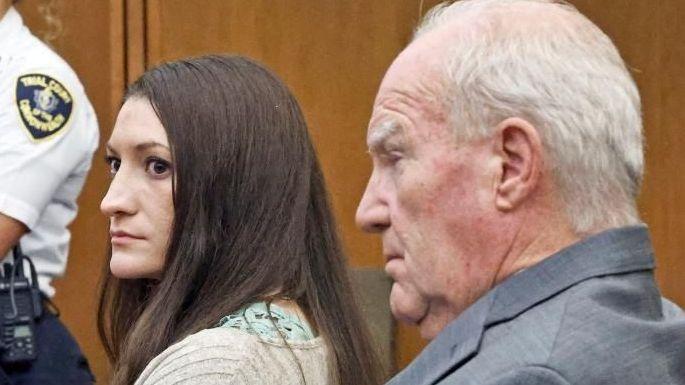
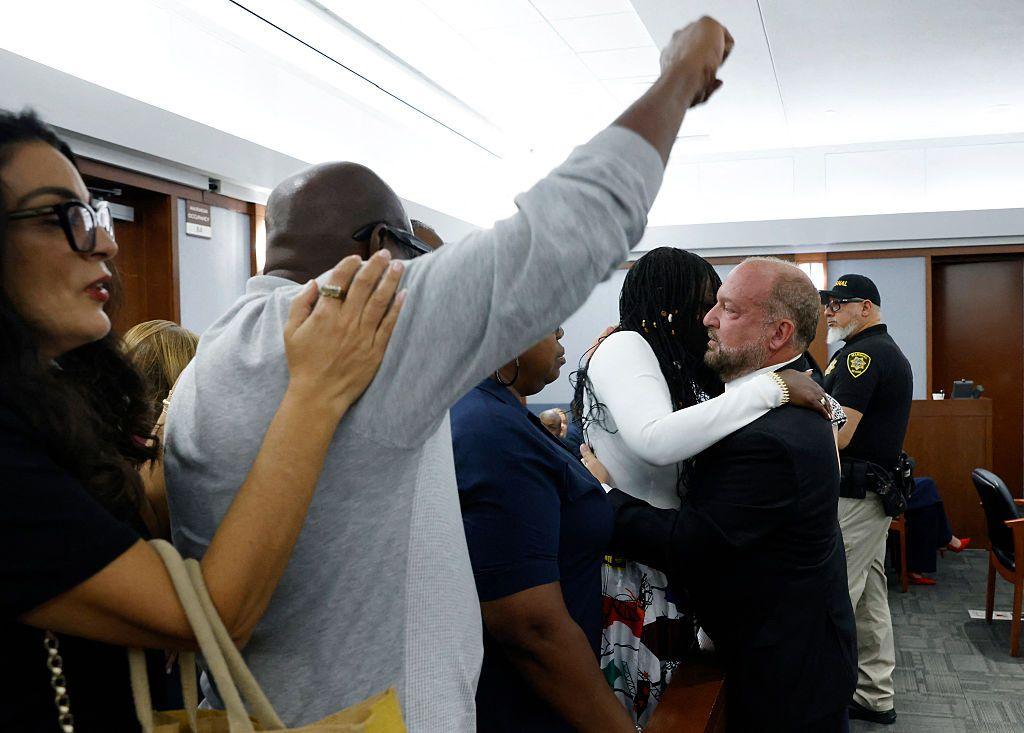
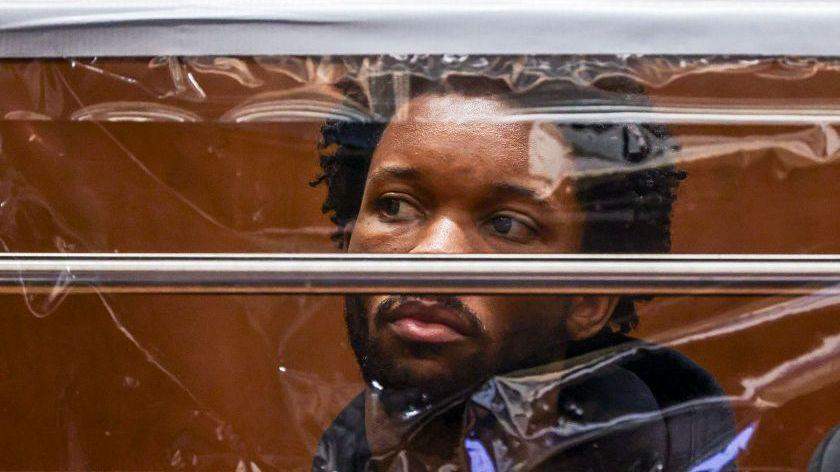
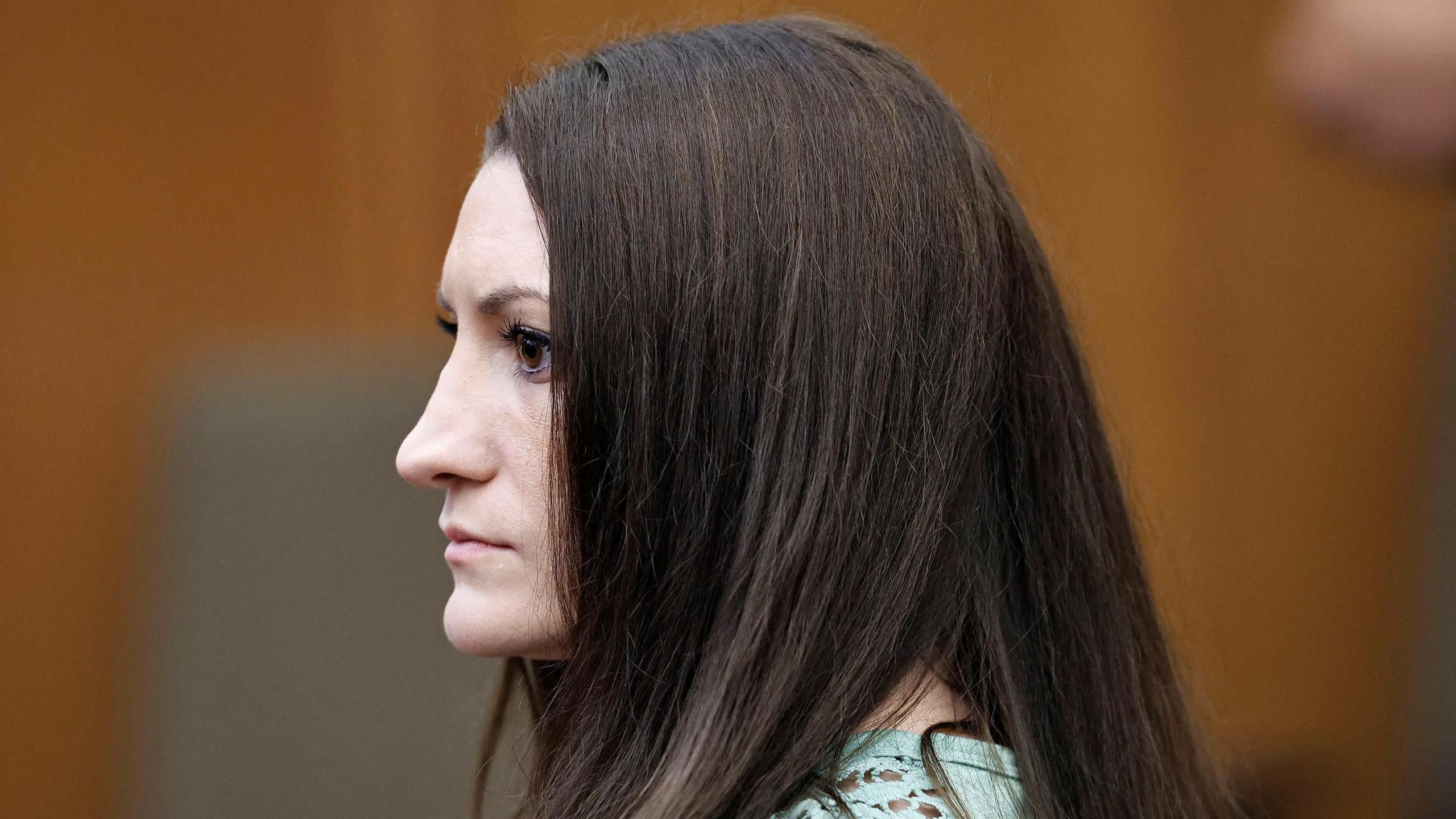
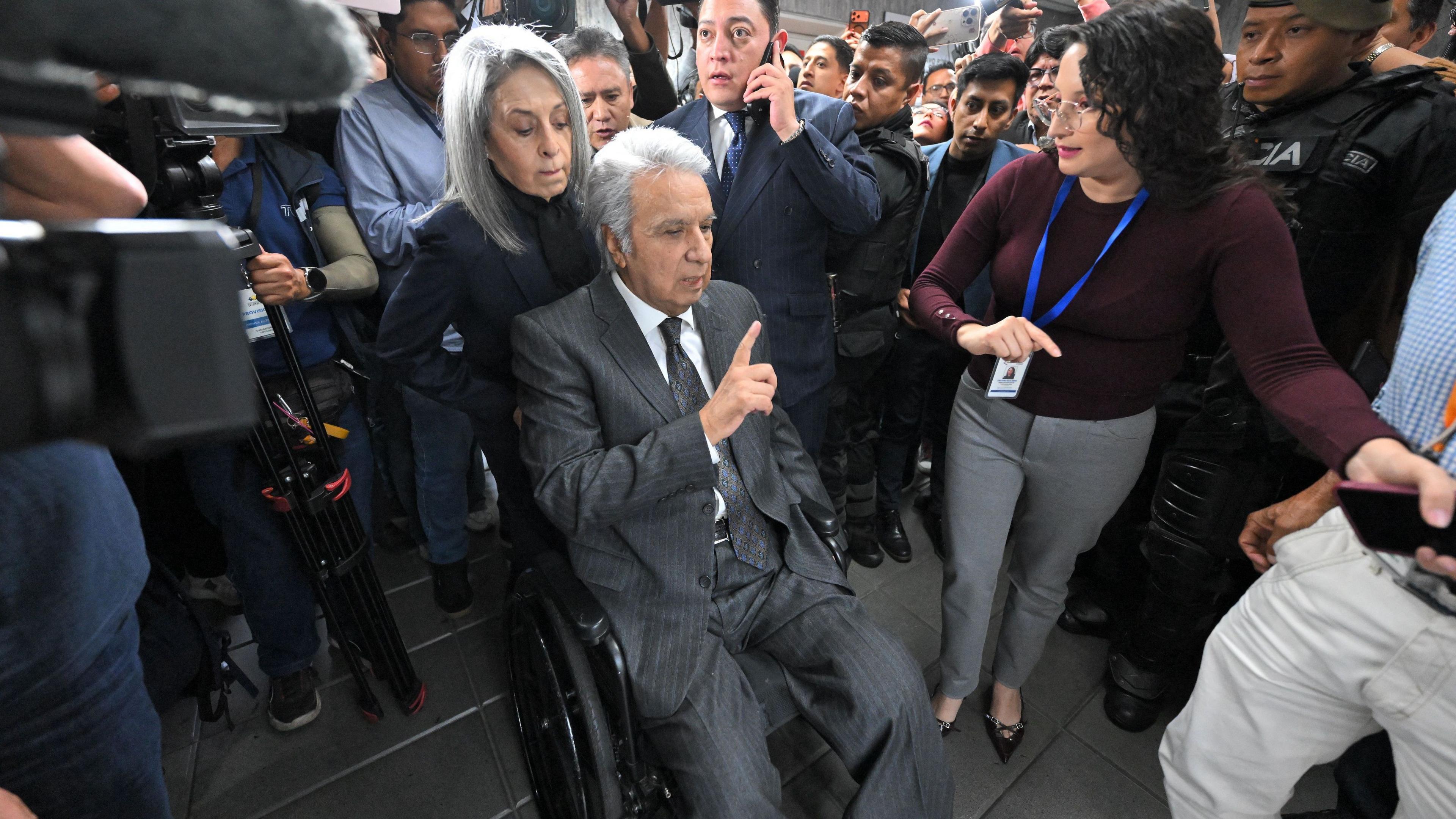
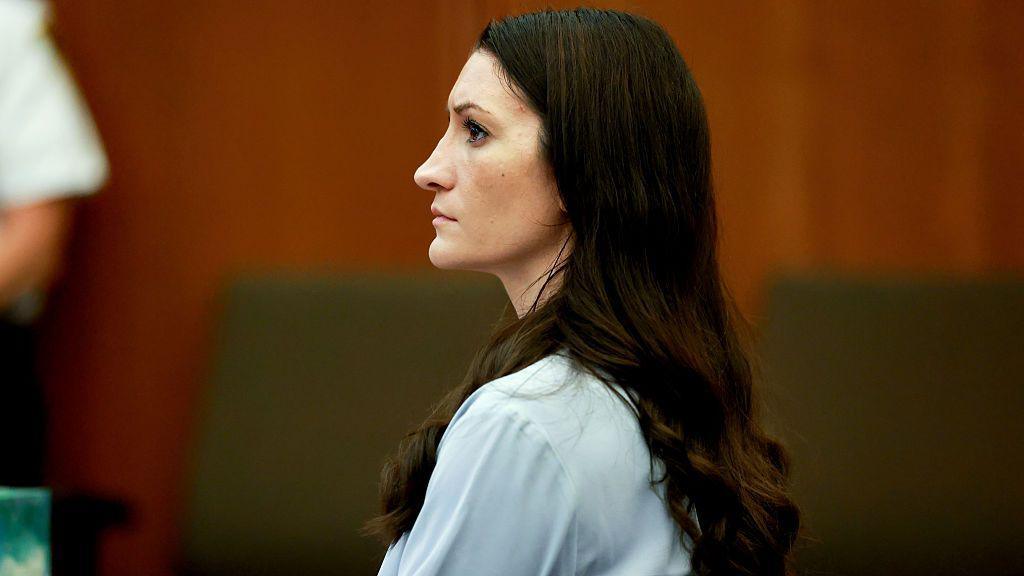
In Los Angeles on a rainy afternoon, a packed courthouse held its breath. Two hours of intense deliberation ended when the jury pronounces "guilty" against 63‑year‑old Duane "Keffe D" Davis for the 1996 murder of rap legend Tupac Shakur.
BBC presenter Anoushka Mutanda‑Dougherty takes us to the courtroom’s cramped stage, where the single judge raised a hand and the verdict echoed. The air was thick with the nervous hush of witnesses, families and live‑bloggers who streamed reactions around the clock.
The courtroom didn’t just deliver a verdict; it delivered a moment of astonishment for fans still grieving Tupac’s half‑body death. “It felt like the weight of the world shifted,” an audience member told reporters as the sentence was read out.
In real‑time commentary, the verdict sparked immediate debate across social media, with users dissecting whether the 85‑minute jury truly grasped the evidence. Most replies noted the swift closure the decision offered, acknowledging the deep wounds still open in the community.
The case, which began with millions of viewers following the investigation, now concludes with a sentence that can only be speculative, as appeals continue. For fans and onlookers alike, the tribunal’s decision marks the end of one chapter but the beginning of another in exploring justice versus public sentiment.