In brief
The hills of Mahabaleshwar produce the bulk of India’s strawberries, but farmers must import mother plants and endure weather‑related losses. Modern growers use hydroponics, drip‑irrigation systems and AI‑driven weather forecasts to boost yields, while a university consortium experiments with gamma‑irradiated breeding to develop a climate‑resilient domestic variety. High‑tech farms like Berry Fresh Agrotech now grow year‑round, and farmers are turning to social media to market directly to consumers. The sector’s future hinges on technological integration and a shift from dependency to indigenous production.
India’s Strawberry Sector Faces a Sweet Turnaround
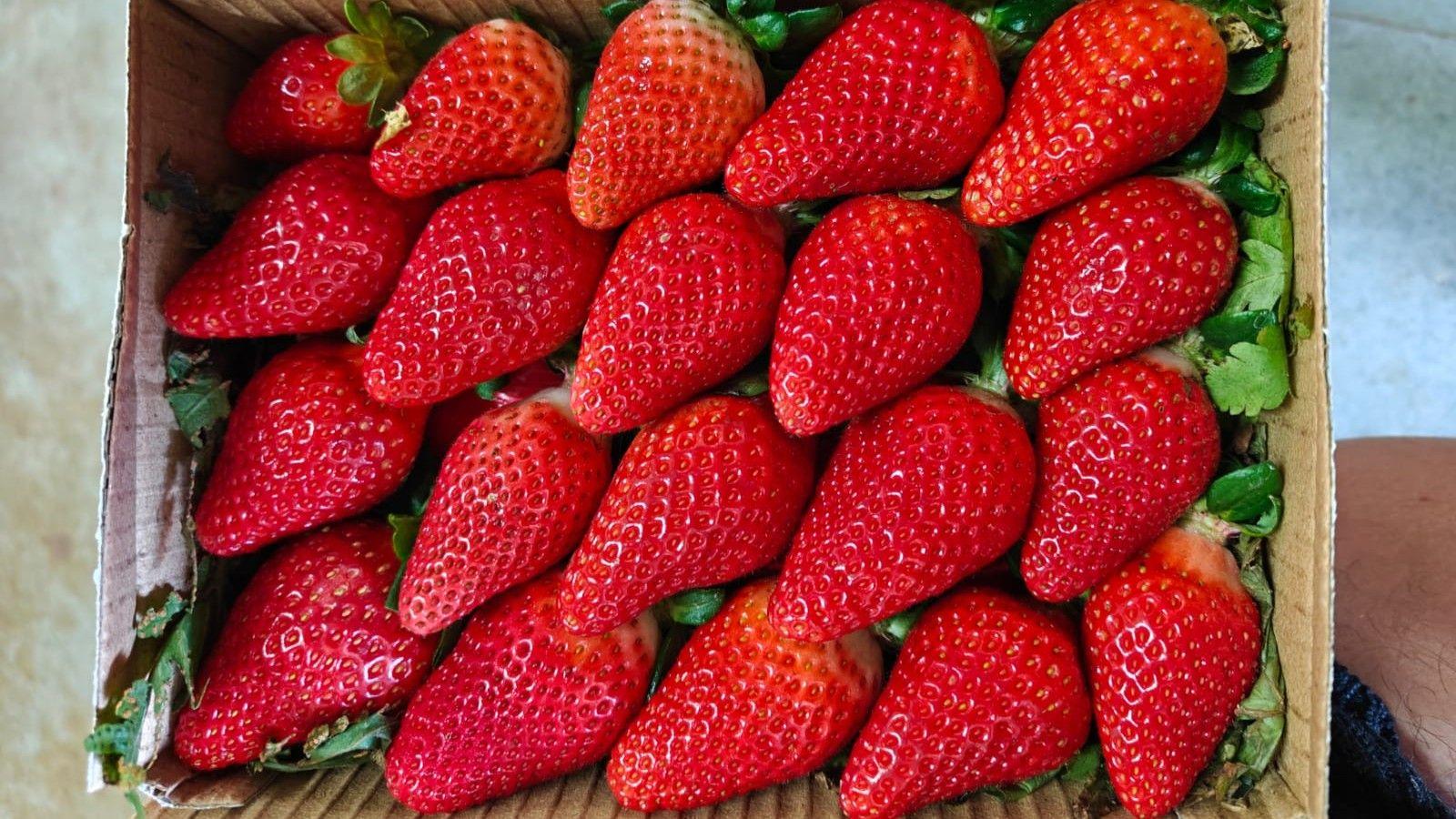
The bulk of India’s strawberry output comes from the high‑altitude hills of Mahabaleshwar in Maharashtra. The region offers a long, cool growing season, but farmers must import mother plants from the United States, Italy and Spain. These imports cost over 2,500 US$ annually per small farm and are subject to government quarantine before inoculation.
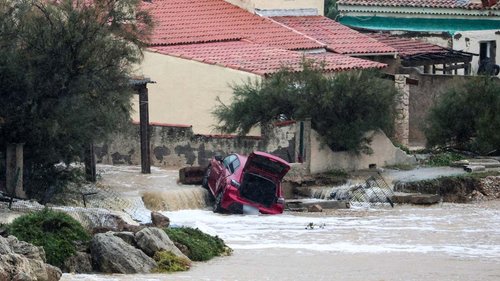
Hill‑top farmers such as Sheetal Danavle willilingly adapt to climate risks. She explains, "If heavy rains hit during peak season, the entire crop is ruined; we understand the gamble of high returns against weather losses."
Farmers also rely on a labour‑intensive process: strawberry plants are sold as young runners, not from seeds, and must be replaced each season. This annual investment and the need for highly precise cultivation underscore the industry's vulnerability.
Technology is reshaping the sector. Native fertiliser schedules, drip‑irrigation and specialised coco‑peat substrates drive yield while controlling micro‑climates. Innovators like Berry Fresh Agrotech grow strawberries in polyhouse‑enclosed hydroponic systems, allowing year‑round production and higher fruit quality through controlled water volumes.
At a university‑research partnership with the Bhabha Atomic Research Centre, scientists are using low‑dose gamma irradiation to induce mutations in imported plants. The goal is to create India’s first climate‑resilient, indigenous strawberry variety that matches the size and texture of Californian and Mediterranean strains.
The fusion of precision agriculture, AI‑driven weather forecasting and breeding innovation points toward an autonomous future. Farmers are increasingly leveraging social media to sell directly to consumers, cutting out middlemen and raising profits while sharing cultivation knowledge with visitors.
Although significant challenges remain, the sector’s move toward high‑tech, data‑driven practices and domestic breeding offers hope for a resilient, self‑sufficient Indian strawberry industry. The next decade may witness the emergence of a new, indigenous superpower in strawberry cultivation.