In brief
Recent studies indicate that integrating LED strip lights to surfboards may serve as a non-invasive deterrent against great white shark attacks, a finding that could significantly enhance safety for surfers and water sports enthusiasts.
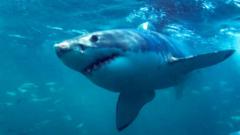
Scientists from Macquarie University in Australia undertook an experiment in Mossel Bay, South Africa, involving seal-shaped boards with various LED light configurations to observe their effect on shark behavior. Towed behind a boat, the illuminated boards demonstrated a clear distortion of their silhouettes on the water’s surface, which may obscure a shark's vision, particularly against sunlight. Lead researcher Laura Ryan noted that great white sharks, which account for the majority of fatal shark bites, often attack from below, mistaking surfers for seals due to their underwater profiles. This finding emphasizes the potential of LED lights as a benign alternative to traditional shark deterrents, which include nets and drones, to enhance swimmer security.While great whites were the focus of this study, researchers expressed interest in testing this technology against other predatory shark species, like bull and tiger sharks, which have also been known to attack humans. Statistics reveal that 2023 saw 69 unprovoked shark bites, mostly concentrated in the US, Australia, and South Africa, with 10 resulting in fatalities.Published in the journal Current Biology, the study assessed the effectiveness of three light intensities, revealing that the brightest horizontal-aligned lights were less likely to attract sharks. The researchers concluded that their observations highlight the significance of silhouette contrast within the predatory habits of great whites, paving the way for innovative shark deterrent technology aimed at protecting human life.Currently, the team is in the process of developing prototype LED strips for further testing on surfboards and kayaks, with hopes of reducing the prevalence of shark attacks in public waters. As communities continue to grapple with shark safety concerns, emerging technologies such as these may provide a promising avenue for enhancing water safety while allowing for continued enjoyment of ocean activities.