The German town of Heidenau, near Dresden in Saxony, has voted to ban the Stolpersteine – small brass plaques embedded in the pavement that honor victims of Nazi persecution. The decision, endorsed by the Alternative für Deutschland (AfD) and ruling CDU members of the council, prompted immediate criticism from the country’s Education Minister, Karin Prien, who called the ban a scandal.
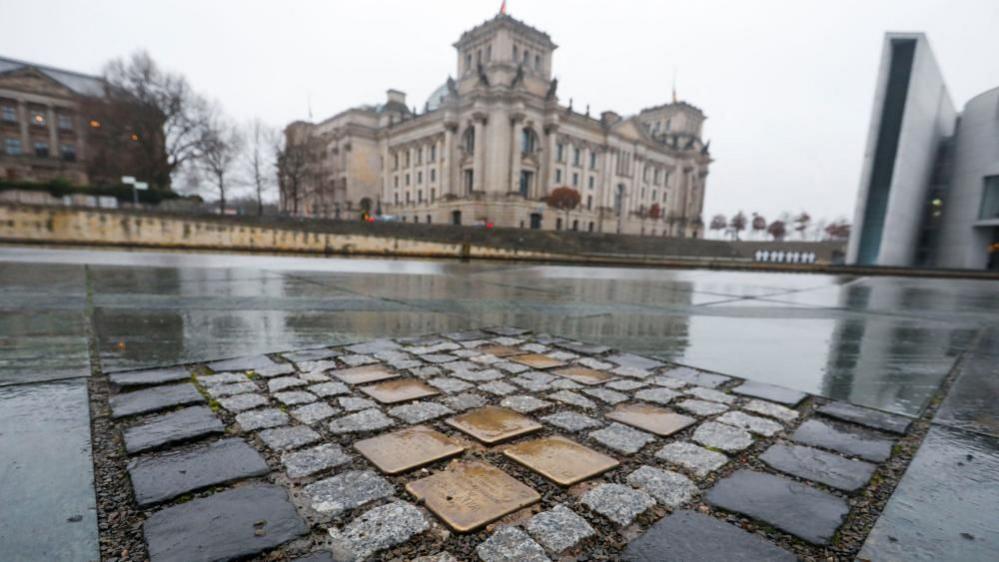
Stolpersteine, which were started by artist Gunter Demnig in the 1990s, are typically placed in front of former homes or workplaces of Jewish residents and other Holocaust victims. They serve as a tactile reminder of the past, some argue, bringing remembrance into everyday walkways rather than confining it to museums or cemeteries.
In Heidenau, councilors claimed that residents felt the plaques were “inappropriate” and proposed relocating memorials to the Nordfriedhof cemetery, where citizens would “be unable to step directly onto the memorial elements.” The motion was adopted despite the growing opposition from local Jewish groups and historians.
Karin Prien, a CDU member herself, condemned the decision. “Anyone who banishes Stolpersteine and memorial sites from public spaces to the cemetery is prioritising death over life and rendering Jewish people invisible once again,” she said in an interview with Bild.
Charlotte Knobloch, a Holocaust survivor and president of the Jewish Community in Munich, described the removal as a “completely wrong approach.” She highlighted that Munich, while lacking public‑land Stolpersteine, permits plaques on municipal buildings, underscoring the importance of decentralised remembrance in the public sphere.
The artist who pioneered the Stolpersteine project expressed that the rise of the AfD – now a major force in several eastern German states – made a ban like this almost inevitable. While the AfD is officially classified by German intelligence as a far‑right entity, the party denies any extremist affiliation. Its anti‑immigration agenda continues to find resonance in northern Germany’s left‑wing constituencies.”