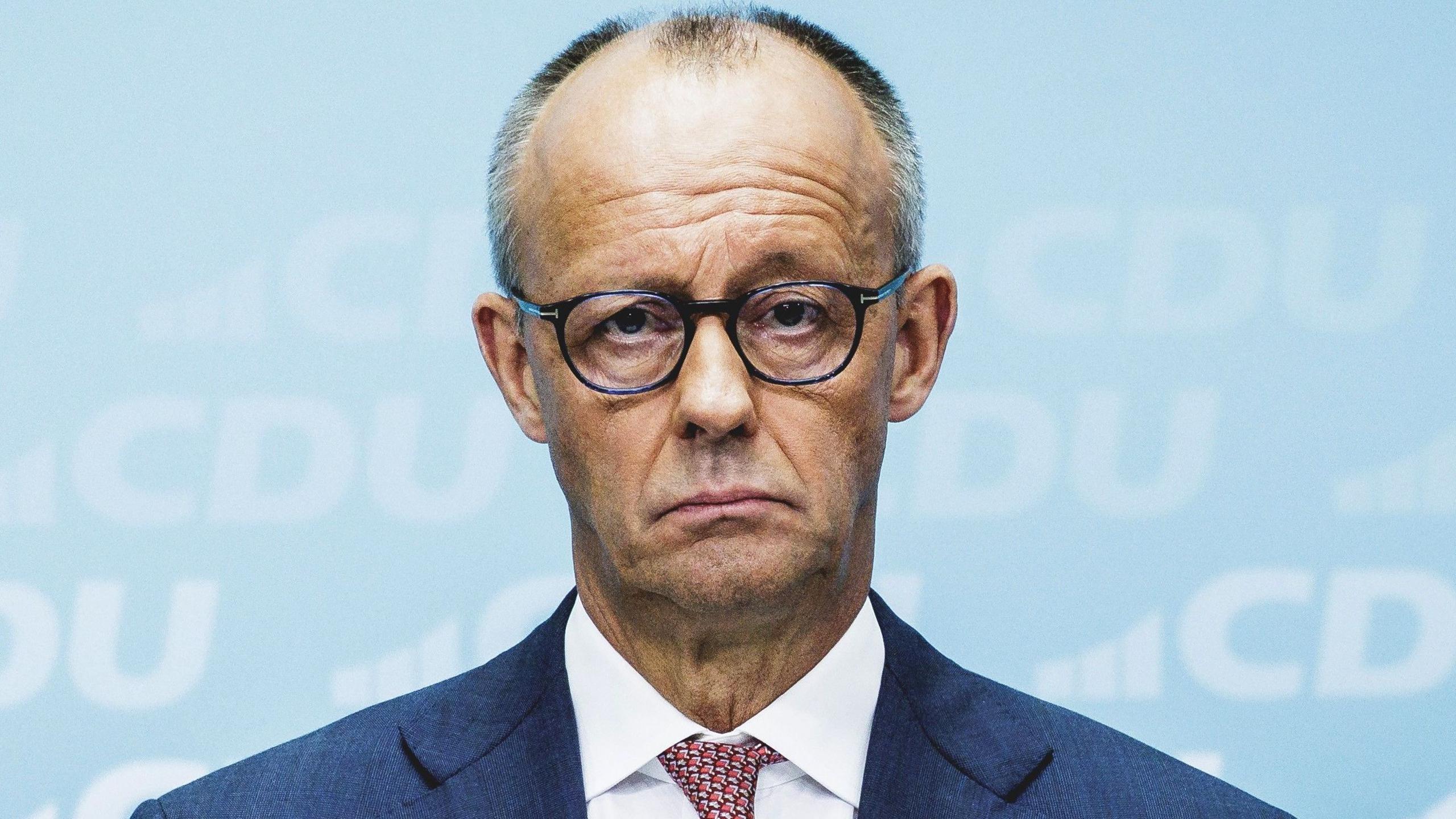
Germany’s political map is suddenly redrawn, as a series of local elections delivered unexpected blows to Chancellor Friedrich Merz’s CDU.
Berlin, Saxony‐Anhalt and Mecklenburg‐Western Pomerania saw the party fall from first place, fall sharply in vote share and, in the latter, lose all seats.
Merz, elected last year on promises of tighter immigration controls and a revamp of the economy, now faces a coalition that is on shaky ground.
Inside the party, officials argue it is not yet time for a 'Kanzlertausch'. Jürgen Hardt said the coalition must focus on reforms and communication to regain trust: "I think Friedrich Merz knows about his deficits."
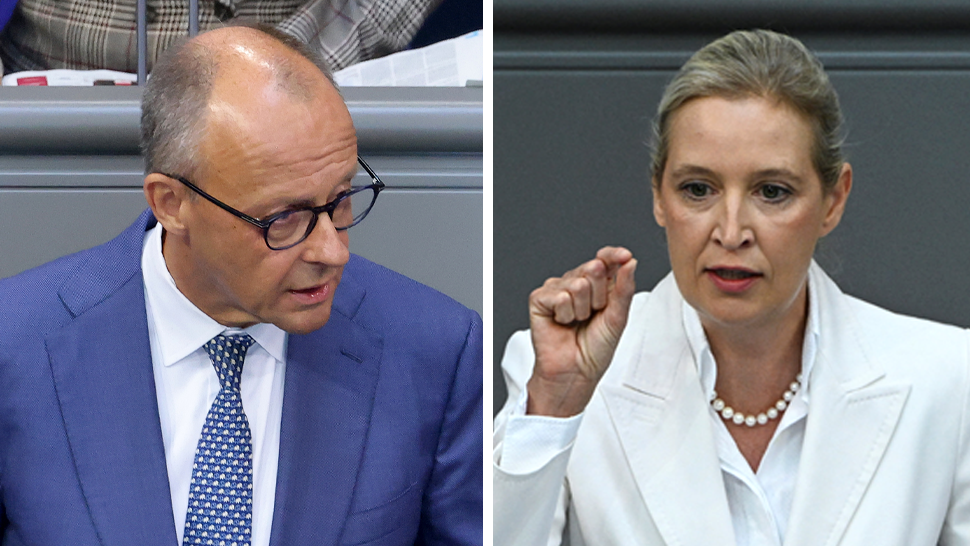
Meanwhile, the Alternative für Deutschland (AfD) is turning the tides, capturing 44% in Saxony‐Anhalt and reaching roughly 28% nationally.
Observers point out the AfD’s rise mirrors a broad erosion of confidence in the CDU‐SPD axis and a growing wish for a different sense of order.
The situation highlights a deeper crisis in German identity: the country’s days as a stalwart of consensus, industrial might and punctual trains are being questioned.
Could the far‐right’s gains provoke another shift in the balance of power? Only time will tell.