In brief
During a routine renovation in east Flanders, builders discovered a sealed gold hoard worth €9m. The find, hidden behind walls in a cellar, belongs to a local charity, CAW Oost‑Vlaanderen, and has become the subject of a legal claim under Belgian treasure legislation. Police secured the gold and warned the public against looting. The charity and the builders may split the treasure if no other owner claims it within five years.
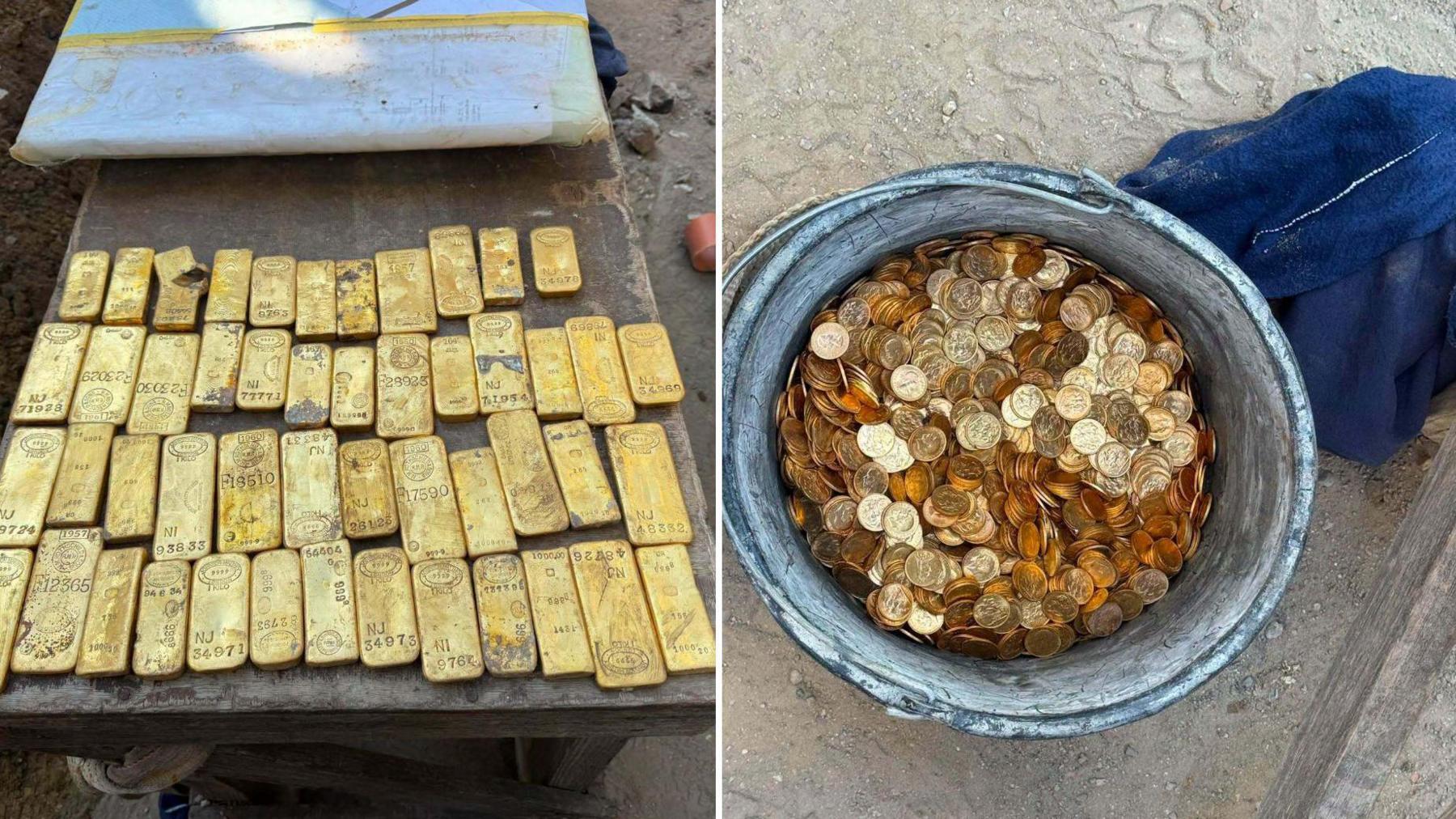
Renovating workers in east Flanders stumbled across a hidden cache of gold bars and coins, estimated at €9 million (£7.6 million), sealed behind the walls of a cellar during a sewage‑pipe installation. The discovery was first reported by local media on 14 August 2026.
The Discovery
The builders, one of whom was an 18‑year‑old student named Kobe, initially mistook the metal objects for €1 coins. Their surprise turned to astonishment when a gold nugget revealed the true nature of the hoard. The workers promptly alerted the authorities and the site manager.
Legal Rules and Claims
Under Belgian treasure law, a finder has five years to claim a hoard discovered on someone else’s property. If no one steps forward, the treasure is divided between the finder and the property owner. The colour still remains unclear as to whether the stash is linked to criminal activity.
Police and Charity Involvement
Policeman moved the gold to a secure location and issued a warning to the public not to crowd the construction site. The charity owning the building, CAW Oost‑Vlaanderen, expressed hope that the treasure could help fund its welfare services in Dendermonde. The director, Geert Hillaert, said he was “surprised and amazed” and would support a possible future distribution to those in need.
What Happens Next?
The rightful owner has a 1,823‑day window to claim the treasure. If no claim is made, civil law stipulates a split between the builders, the charity, and the property owner. The police hope the discovery will “end up in the right place” and change lives.