Ghana has emerged as the quiet‑but‑stern champion of the fight for reparations for the trans‑Atlantic slave trade. In the wake of the UN’s groundbreaking 2023 resolution recognising slavery as “the greatest crime against humanity”, the country was at the centre of the discourse that is demanding formal apologies, debt relief and financial compensation from those who benefited from the trade.
While the United Kingdom, one of the largest slave‑trade actors, has consistently rejected any reparatory payment, Ghana has stepped forward to fill the void. In January, Ghana tabled the UN resolution; by June, it hosted a global summit in Accra that drew delegates from nearly 80 nations. The summit’s outcome was clear: compensation was long overdue, and Britain, along with other European powers, must acknowledge their role.
Foreign Minister Samuel Ablakwa said Ghana had “been a fighting force that proved imperial might could be beaten” and that the country’s political leadership was serious about being the “champion for reparatory justice.” He pointed out that 10‑15% of the 12 million Africans forced into slavery were shipped from Ghana, underscoring why the nation must not stay silent on accountability.
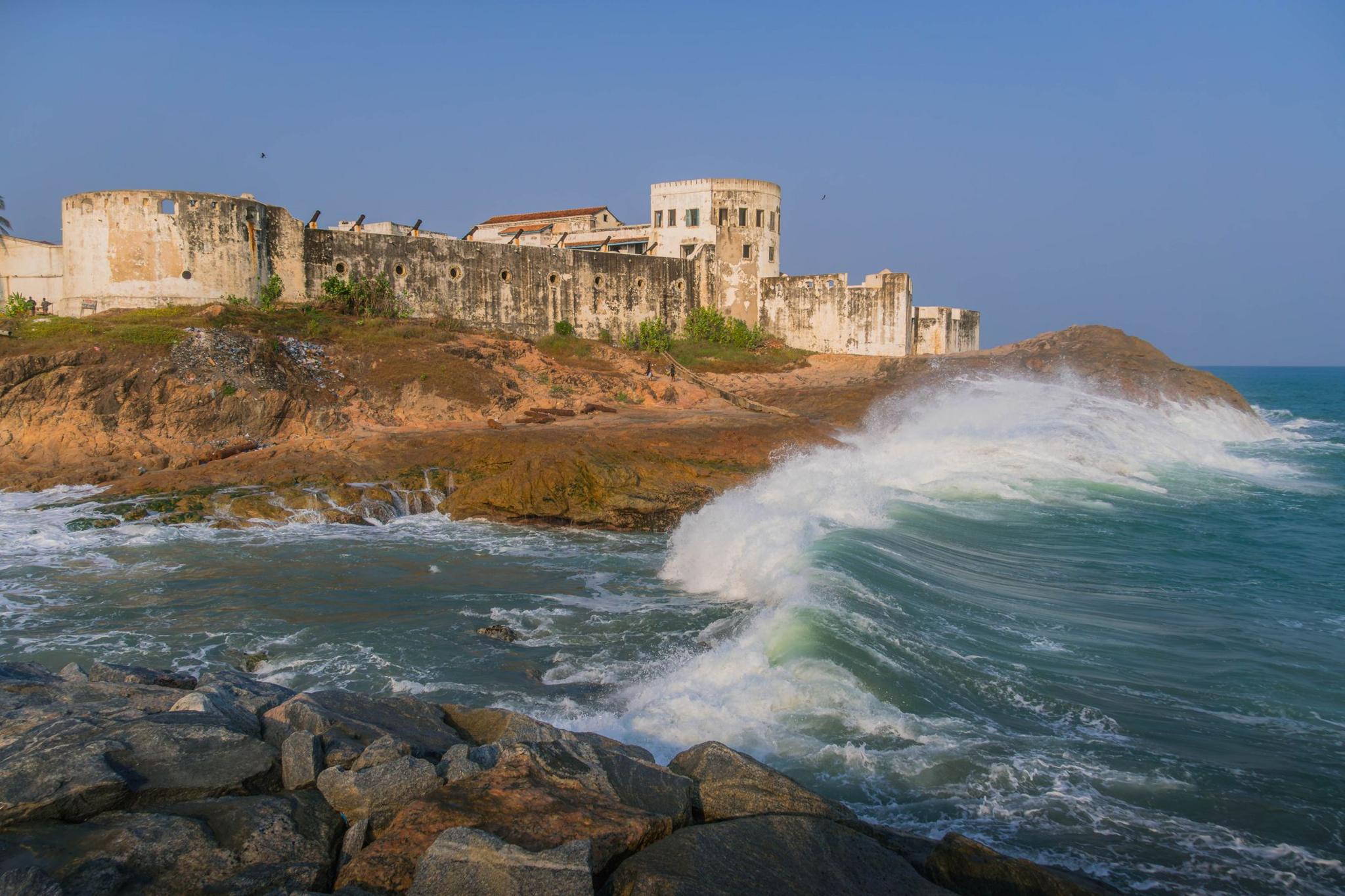
A key moment of symbolic accountability came when the Archbishop of Canterbury, Dame Sarah Mullally, visited Cape Coast Castle in Ghana. She walked through the “door of no return” that enslaved people were forced to cross before being shipped to the Americas. The Archbishop paused to pray, describing the experience as “deeply moving” and calling for action beyond apologies. The Church of England has since set up a £100 m social‑impact fund aimed at communities still dealing with the legacy of the trade, though critics argue that institutional resistance mirrors the global push for reparations.
The debate extends beyond foreign policy. King Tackie Teiko Tsuru II, the Ga Mantse, publicly apologized for his ancestors’ participation in the slave trade, urging other African leaders to acknowledge past complicity. The king’s statement serves as a reminder that healing requires more than financial restitution; it demands an honest reckoning with history.
Ghana’s new initiative aimed at inviting the African diaspora—especially African‑Americans—to visit the island has been hailed as a “beautiful, profound experience.” Yet some officials warn it has turned into a tourism project that gives foreign ‘tourists’ a premium ticket while local communities are priced out of their own heritage sites. The debate echoes the arguments that reparations should prioritise human connection and healing, not just monetary compensation.
The conversation is far from settled, but Ghana’s insistence on accountability, both from its leaders and its international partners, could set a powerful example for how nations can confront a shared, painful legacy and work towards a more equitable future.