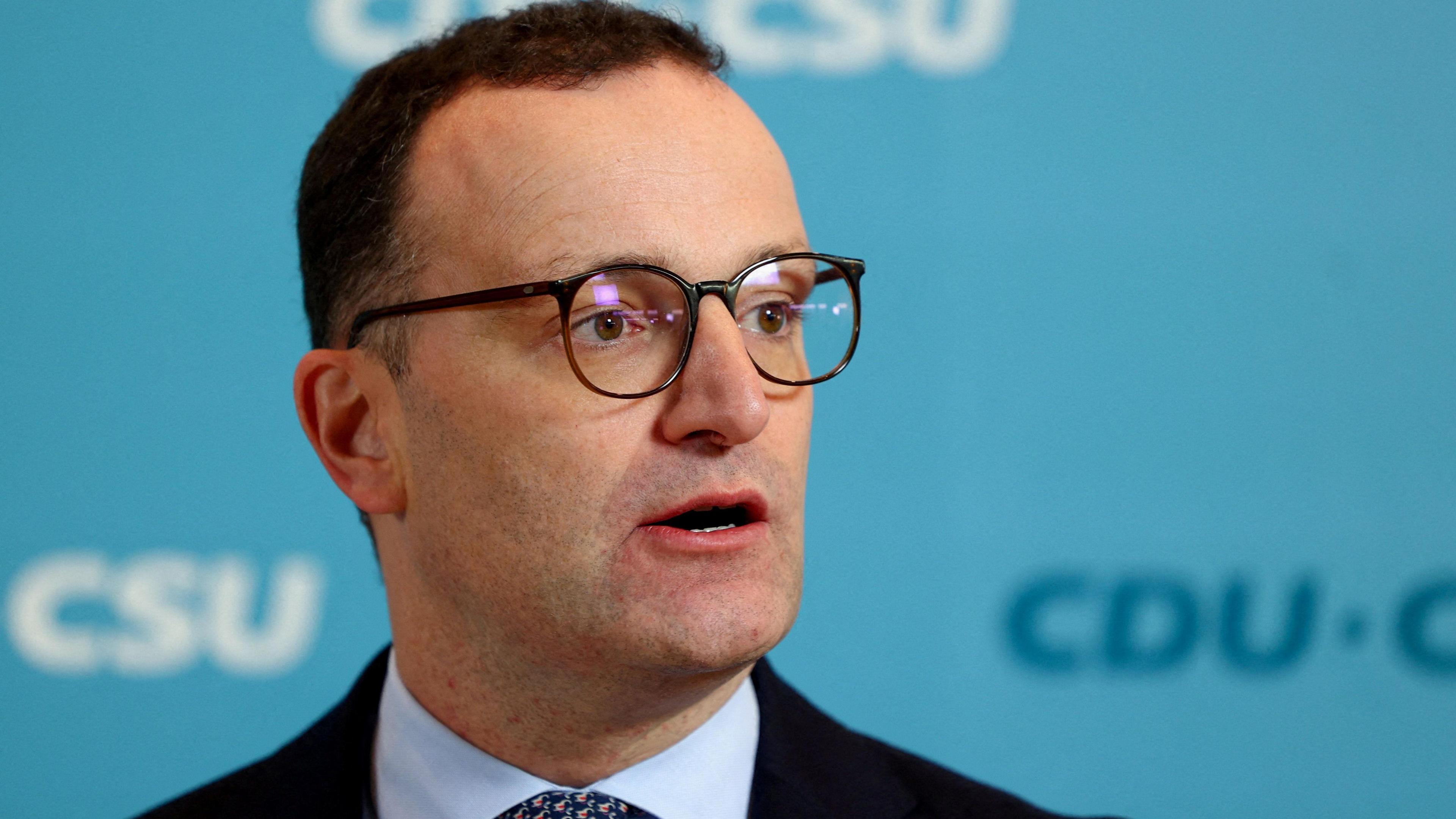
German politician Jens Spahn has stepped down from his role as leader of the Christian Democratic Union’s parliamentary group after a controversy over his use of a surrogate mother abroad. The law in Germany bans surrogacy, a policy both the ruling party and Spahn have supported in the past. However, children born to a surrogate mother in another country are legally recognized, a fact that has led to Spahn’s decision. In a statement he said, I have realised that my personal happiness – founding a family with my husband – is not compatible with my political office.
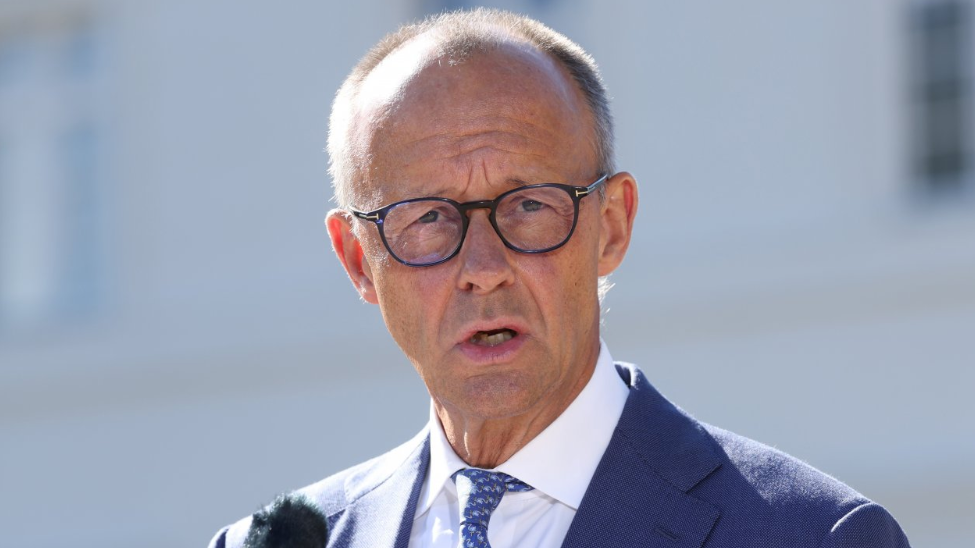
Federal Chancellor Friedrich Merz described Spahn’s resignation as “right” and “inevitable.” He added, Credibility is the highest asset in politics, and will appoint a replacement soon. The CDU confirmed it reaffirmed its support for a ban on surrogacy in February, even as Spahn had earlier opposed opening a dialogue on the issue.
Spahn’s resignation comes as the party faces poor opinion polls ahead of autumn regional elections. In Saxony-Anhalt, the far‑right AfD could win an outright majority for the first time since the Second World War. Critics say he is providing a narrative the fringe parties can use to win votes.
The United Kingdom, France, Spain and Italy also keep surrogacy illegal, while France’s Court of Cassation recently ruled that children born abroad to a surrogate are legally recognised as their intended parents’ children. The bans remain a contentious issue across Europe.