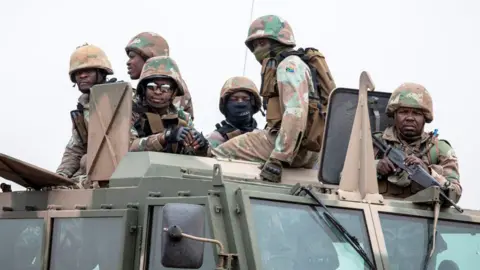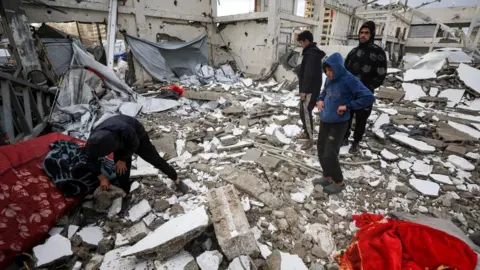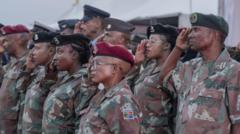
This withdrawal announcement follows a virtual summit in Harare, Zimbabwe, where it was agreed to initiate a phased exit of SADC troops, initially deployed two years ago to support the Congolese army in repelling the M23 offensive. Over the past year, the rebel group has made substantial territorial gains, including the capture of Goma, the region's largest city, and more recently Bukavu, the second-largest city.
The conflict has claimed the lives of numerous soldiers, including at least 14 South Africans, igniting criticism over the South African deployment strategy. President Cyril Ramaphosa acknowledged the precarious nature of the situation, highlighting that while a semblance of peace exists, the M23's advances pose a significant threat.
Experts have characterized this development as a setback not only for South Africa but for the entire SADC region, which now finds itself in a precarious position regarding stability in DR Congo. Analysts such as Stephanie Wolters assert that the absence of SADC forces weakens the Congolese government's stance against the insurgents, potentially shifting the dynamics of the conflict.
Despite the troop withdrawal, SADC emphasized its commitment to facilitating peace efforts and supported Angola's initiative to host new peace talks between the Congolese government and the M23 rebel group. However, President Félix Tshisekedi has shown reluctance in negotiating directly with the rebels, preferring discussions with Rwanda instead.
As the regional landscape shifts, the future of peace in DR Congo remains uncertain, with previous diplomatic efforts failing to curb violence. The next few weeks will be critical as regional powers reassess their strategies to address the ongoing conflict threatening to destabilize the entire area.
Follow real-time updates and community discussions on this evolving story through our live-streaming coverage.
The conflict has claimed the lives of numerous soldiers, including at least 14 South Africans, igniting criticism over the South African deployment strategy. President Cyril Ramaphosa acknowledged the precarious nature of the situation, highlighting that while a semblance of peace exists, the M23's advances pose a significant threat.
Experts have characterized this development as a setback not only for South Africa but for the entire SADC region, which now finds itself in a precarious position regarding stability in DR Congo. Analysts such as Stephanie Wolters assert that the absence of SADC forces weakens the Congolese government's stance against the insurgents, potentially shifting the dynamics of the conflict.
Despite the troop withdrawal, SADC emphasized its commitment to facilitating peace efforts and supported Angola's initiative to host new peace talks between the Congolese government and the M23 rebel group. However, President Félix Tshisekedi has shown reluctance in negotiating directly with the rebels, preferring discussions with Rwanda instead.
As the regional landscape shifts, the future of peace in DR Congo remains uncertain, with previous diplomatic efforts failing to curb violence. The next few weeks will be critical as regional powers reassess their strategies to address the ongoing conflict threatening to destabilize the entire area.
Follow real-time updates and community discussions on this evolving story through our live-streaming coverage.