In brief
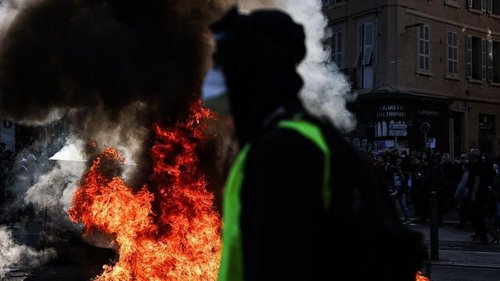
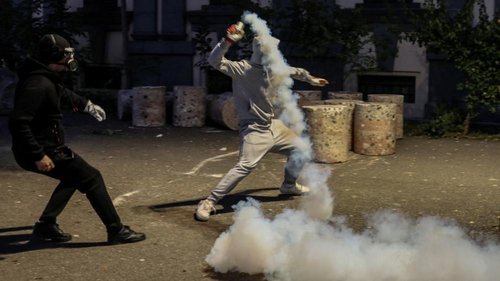
A protest weekend that began with half a million demonstrators devolved into looting and street violence, forcing the French government into a crisis meeting. Over 1,500 shops were damaged and police suffered injuries as riot squads deployed tear gas and water cannons. President Macron’s televised appeal for calm was met with criticism for lacking concrete measures, leaving questions about accountability, compensation and future security. Political tension is heightened by an upcoming presidential election and the potential for further student and union unrest in the coming weeks.
Weekend protests that began with half a million demonstrators turned chaotic as riot police used tear gas and water cannons, with shotgun–no shots fired, amid widespread looting of 1,500 shops and businesses. About a thousand police officers were injured, seven seriously, while the French Interior Ministry warned of “massive” disruptive activity.
The crisis capitalised on long‑standing frustrations over the cost of living, eroding public services and frequent cuts to education funding. Prime Minister Sébastien Lecornu convened a crisis cabinet on Monday, seeking to decide on the next steps for policing, security and compensation for the damaged property.
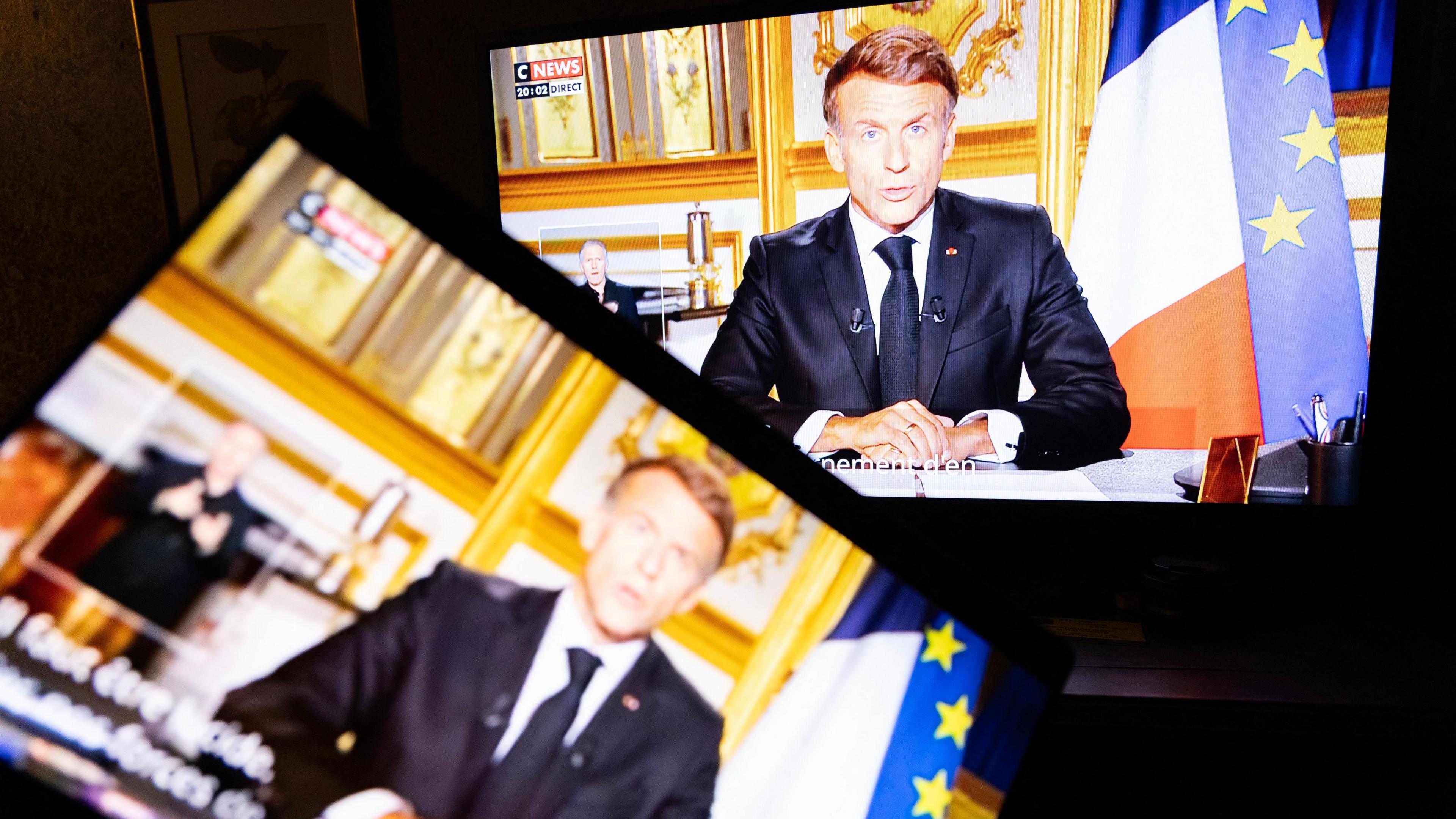
President Emmanuel Macron used a televised address to speak to the nation, calling for calm and unity. The message, however, was criticised on social media and by lawmakers for its lack of specifics about curfews, law‑enforcement deployment or legal action against the rioters.
Parliament remains fractured, with the ruling coalition in the middle of a heated campaign for the upcoming presidential election. Opposition parties, from Marine Le Pen–led right to Jean‑Luc Mélenchon’s left, accused the government of incompetence and of failing to address the student movement and the broader “yellow jacket” grievances that continue to echo across France.
With student protests on the verge of growing again—family of teachers and union leaders have urged the government to engage in serious dialogue—questions loom over how the French state will protect cities, compensate businesses and ultimately restore civil order before the next wave of demonstrations on November 5.