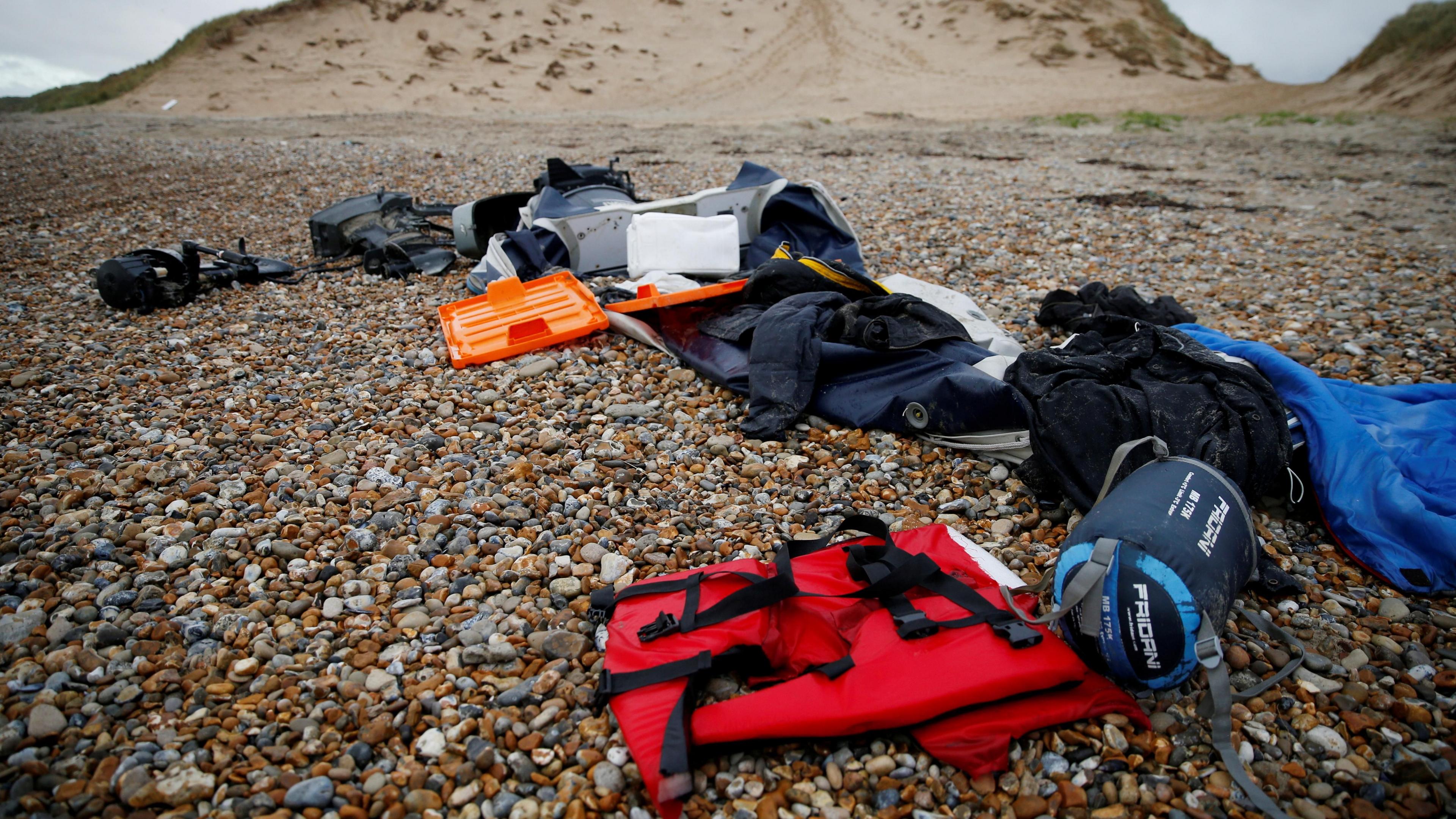
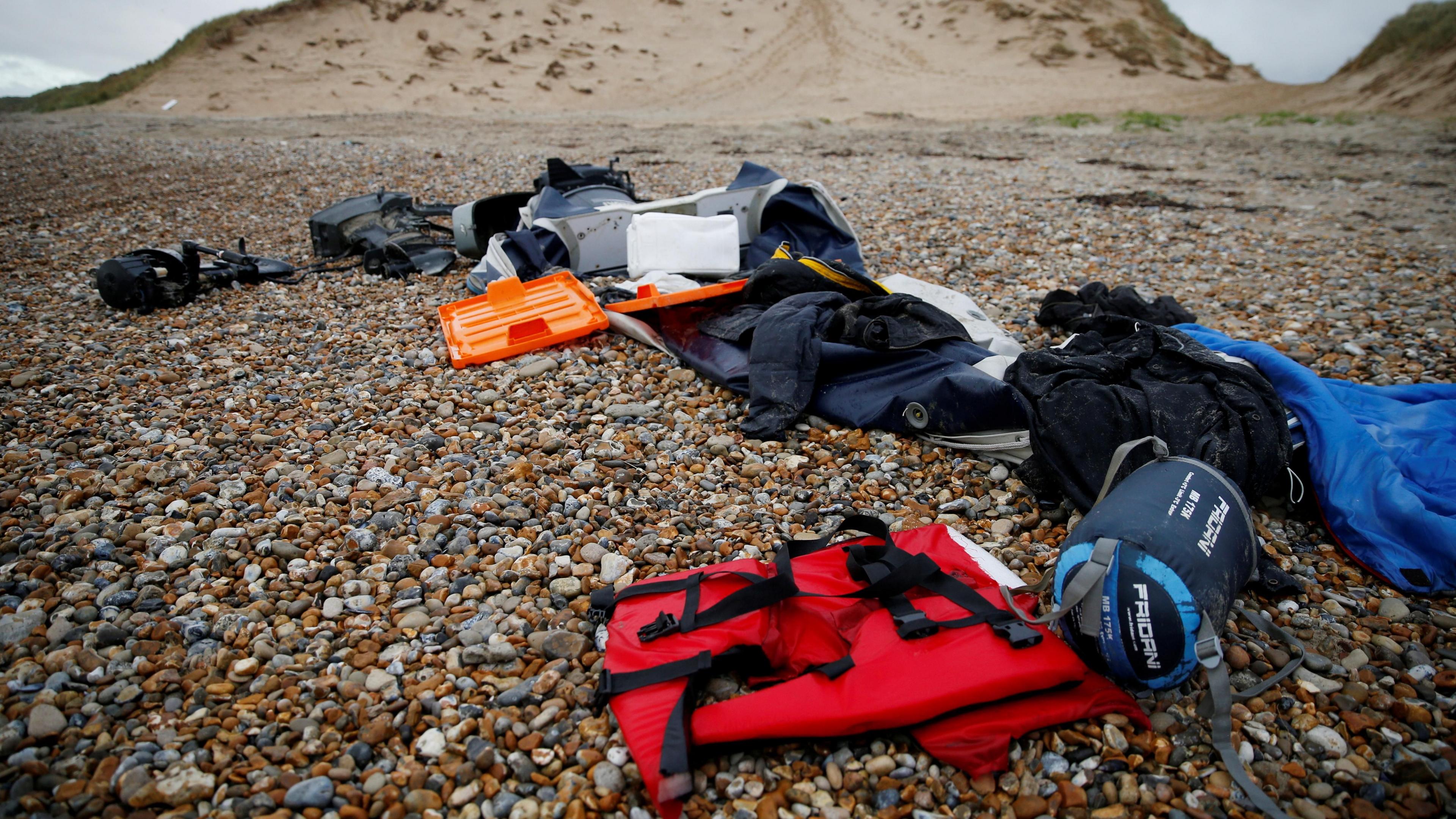
Fourteen alleged people‑smugglers, mainly Afghan nationals, have begun a Paris trial for alleged orchestration of the worst small‑boat disaster on the English Channel. The case centres on a motorised dinghy that left the French coast on 23 November 2021, suffered a catastrophic failure halfway across the Channel, and sank, leaving 27 bodies recovered and four missing.
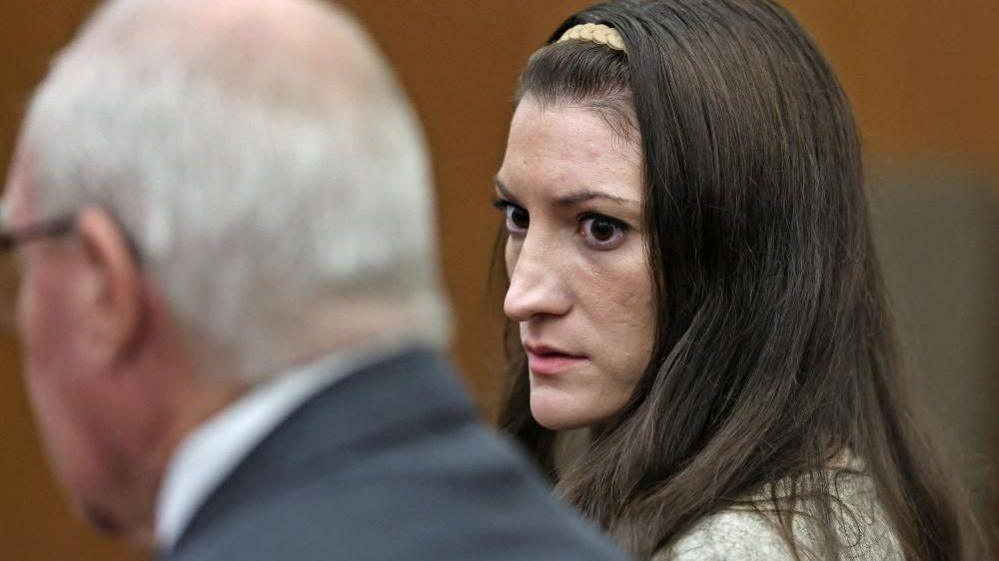
Defendants face charges of manslaughter and facilitation of illegal immigration as part of an organised criminal group. Most claim they were refugees acting under orders, while two accused leaders are still at large and are being tried in absentia.
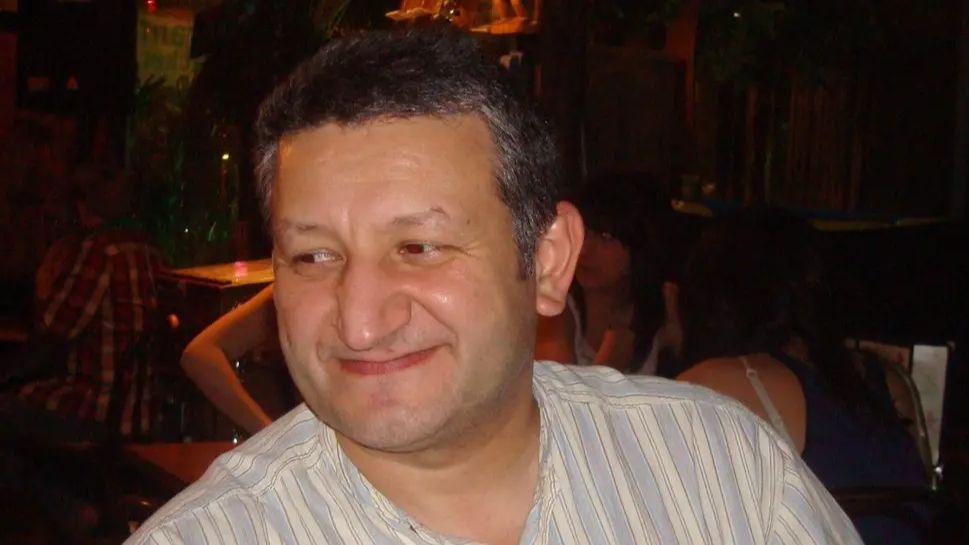
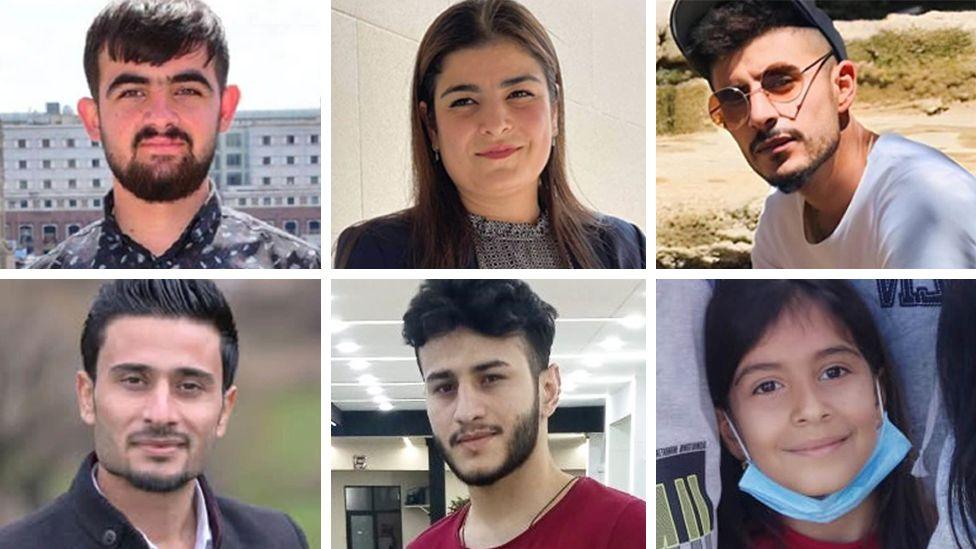
Migrants from Iraqi Kurdistan, Somalia, Ethiopia, Egypt and Afghanistan were aboard the ill‑fated vessel. Victims ranged from elderly men to children as young as seven. Only two men survived and were rescued after being dragged out of the water, suffering hypothermia.
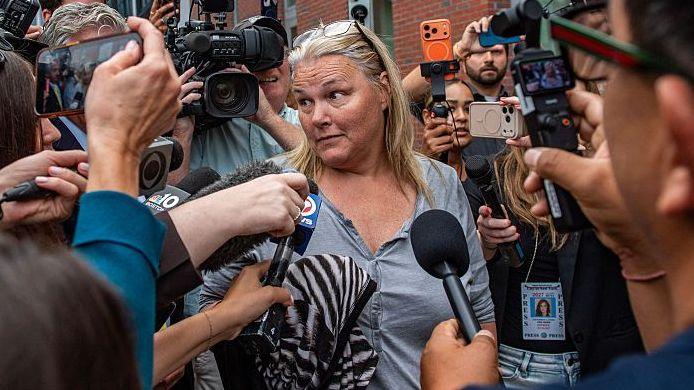
The trial, expected to last three weeks, brings relatives of the victims to Paris. Family members and their lawyer, Emmanuel Daoud, have criticised the smugglers as “cynical” and accused them of deliberately endangering lives.
In France, seven military personnel involved in the rescue are under judicial investigation for alleged failure to assist those in distress. A UK inquiry highlighted chronic staff shortages in the Coastguard and bias against migrants’ distress signals. Both sides are probing whether rescue services’ actions contributed to the tragedy.
The case serves as a stark reminder of the perils of illegal sea crossings and the need for robust rescue protocols. It also raises questions over how maritime authorities operate in emergencies, and whether systemic failures contributed to the loss of life.