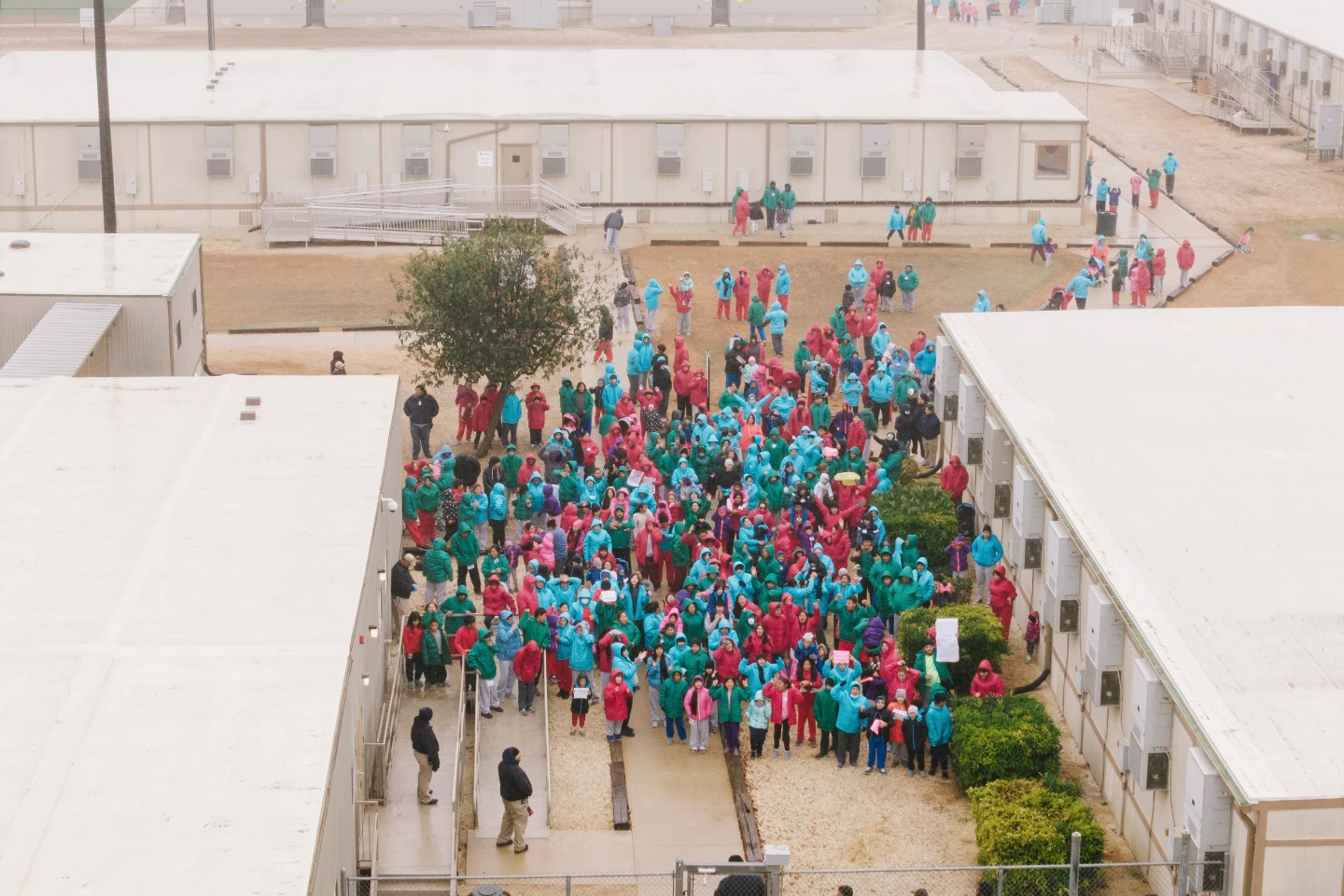
FORT MYERS, Fla. (RTW News) — A state-run immigration detention facility in the Florida Everglades, colloquially referred to as 'Alligator Alcatraz', has been ordered by a federal judge to enhance access to legal counsel for the detainees. U.S. District Judge Sheri Polster Chappell ruled on Friday that officials at the facility must ensure that the detained individuals have access to timely, free, confidential, unmonitored, and unrecorded outgoing legal calls. The injunction demands at least one operational telephone for every 25 detainees to facilitate communication with attorneys.
The legal proceedings were initiated after attorneys filed statements in Fort Myers, revealing serious limitations on their ability to communicate with clients detained at the facility. These attorneys reported that detainees faced obstacles in making calls using staff cellphones and that unannounced visits to the detention center were often not permitted.
During previous court hearings, a state contractor testified that options for contacting attorneys were indeed available. However, this assertion has been strongly contested by attorneys representing detained individuals.
The Florida Department of Emergency Management, which oversees the facility, did not comment on the ruling as of Friday afternoon. The 'Alligator Alcatraz' facility was established last summer by the administration of Republican Governor Ron DeSantis, primarily to align with the stricter immigration policies of former President Donald Trump. This immigrant detention center is one of two facilities recently opened in Florida.
The plaintiffs, former detainees of the Everglades facility, have stated in their lawsuit that their First Amendment rights have been compromised. They report that attorneys are required to set appointments at least three days in advance for visits, contrasting with other detention centers which allow lawyers to visit freely during visiting hours. Additionally, detainees frequently find themselves transferred before they can meet with their lawyers, and significant delays in scheduling appointments often prevent timely legal consultations prior to critical deadlines.
Officials named in the lawsuit have denied any claims of restricting attorney access. They cite security protocols and staffing challenges as reasons for the complications faced by detainees and legal representatives.
The legal proceedings were initiated after attorneys filed statements in Fort Myers, revealing serious limitations on their ability to communicate with clients detained at the facility. These attorneys reported that detainees faced obstacles in making calls using staff cellphones and that unannounced visits to the detention center were often not permitted.
During previous court hearings, a state contractor testified that options for contacting attorneys were indeed available. However, this assertion has been strongly contested by attorneys representing detained individuals.
The Florida Department of Emergency Management, which oversees the facility, did not comment on the ruling as of Friday afternoon. The 'Alligator Alcatraz' facility was established last summer by the administration of Republican Governor Ron DeSantis, primarily to align with the stricter immigration policies of former President Donald Trump. This immigrant detention center is one of two facilities recently opened in Florida.
The plaintiffs, former detainees of the Everglades facility, have stated in their lawsuit that their First Amendment rights have been compromised. They report that attorneys are required to set appointments at least three days in advance for visits, contrasting with other detention centers which allow lawyers to visit freely during visiting hours. Additionally, detainees frequently find themselves transferred before they can meet with their lawyers, and significant delays in scheduling appointments often prevent timely legal consultations prior to critical deadlines.
Officials named in the lawsuit have denied any claims of restricting attorney access. They cite security protocols and staffing challenges as reasons for the complications faced by detainees and legal representatives.