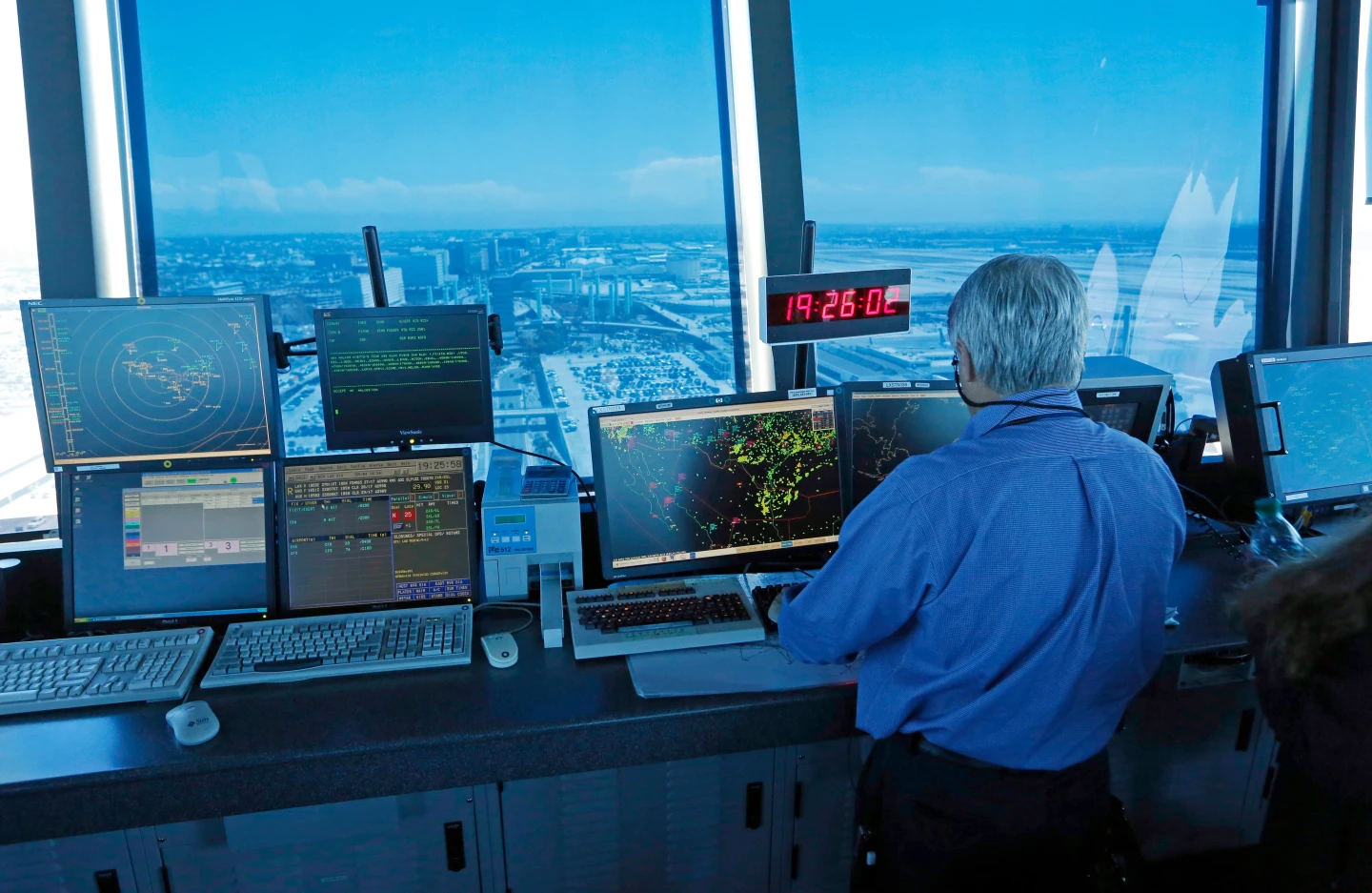
The Federal Aviation Administration (FAA) is set to embark on a major overhaul of the nation's air traffic control systems, having chosen two contractors to replace over 600 radar systems that have been in use since the 1980s. This initiative comes amid increasing concerns regarding the capability and reliability of these outdated systems.
On Monday, Transportation Secretary Sean Duffy announced that RTX and Spanish aerospace firm Indra will spearhead the replacement project, which is slated for completion by the summer of 2028. This timeline aligns closely with the end of President Donald Trump's current term, marking an ambitious goal for a much-needed infrastructure update.
FAA Administrator Bryan Bedford stated, “Our radar network is outdated and long overdue for replacement. Many of the units have exceeded their intended service life, making them increasingly expensive to maintain.” The current systems pose significant challenges for air traffic management, including reliance on obsolete technology like floppy discs and parts sourced from online marketplaces.
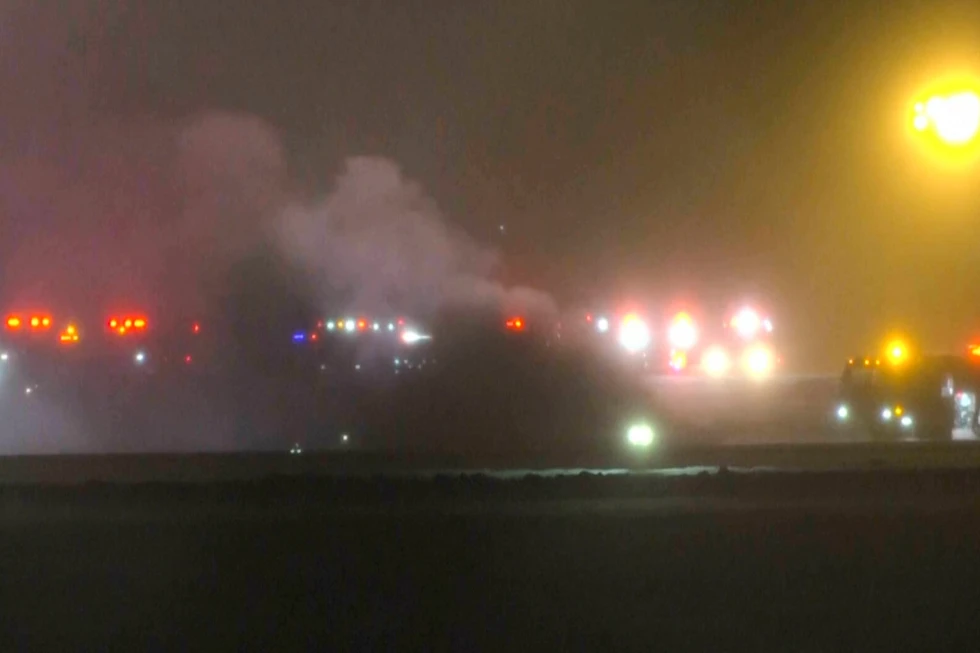
Recent operational failures resulted in major disruptions at Newark Liberty International Airport, highlighting the urgent need for this modernization effort. These radar issues have led to thousands of flight cancellations and delays in the past year.
The FAA’s maintenance costs for the existing systems have consumed the bulk of its $3 billion equipment budget. The agency has already invested over $6 billion of the $12.5 billion allocated by Congress for system upgrades. However, additional funding estimates suggest a total project cost approaching $20 billion, with plans to replace legacy copper wiring with modern fiber optic connections.
As the FAA moves forward, officials insist that upgraded redundancy measures will enhance operational safety, mitigating risks that have been evident in past technical failures.