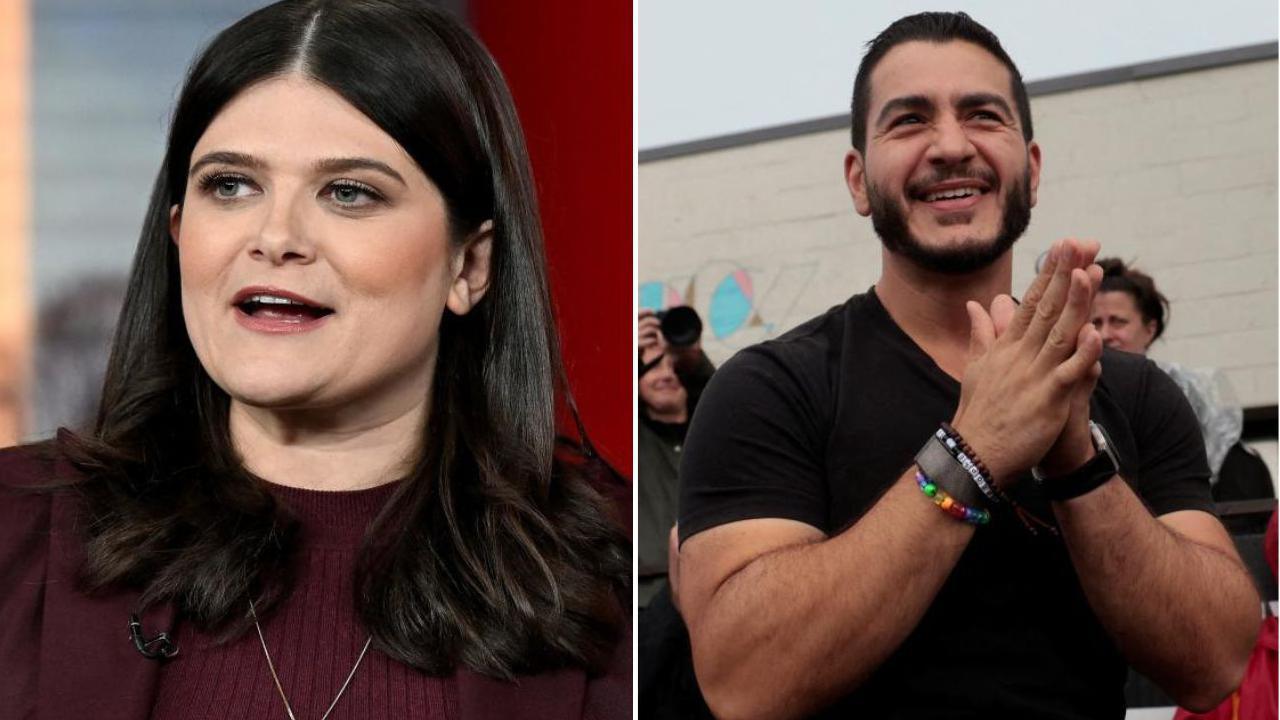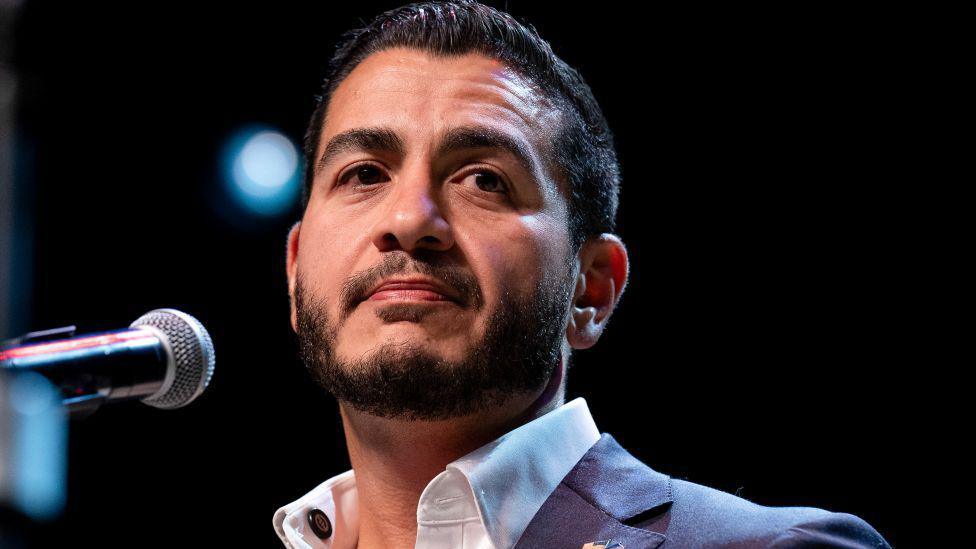
Abdul El‑Sayed, a former Michigan health official, has won the state’s Democratic Senate primary, toppling congresswoman Haley Stevens and sending shockwaves into the party’s inner circles.
The result underscores a rising appetite among primary voters for left‑wing candidates and threatens to reshape the party’s strategy ahead of the November election.
1. A new left‑wing warrior
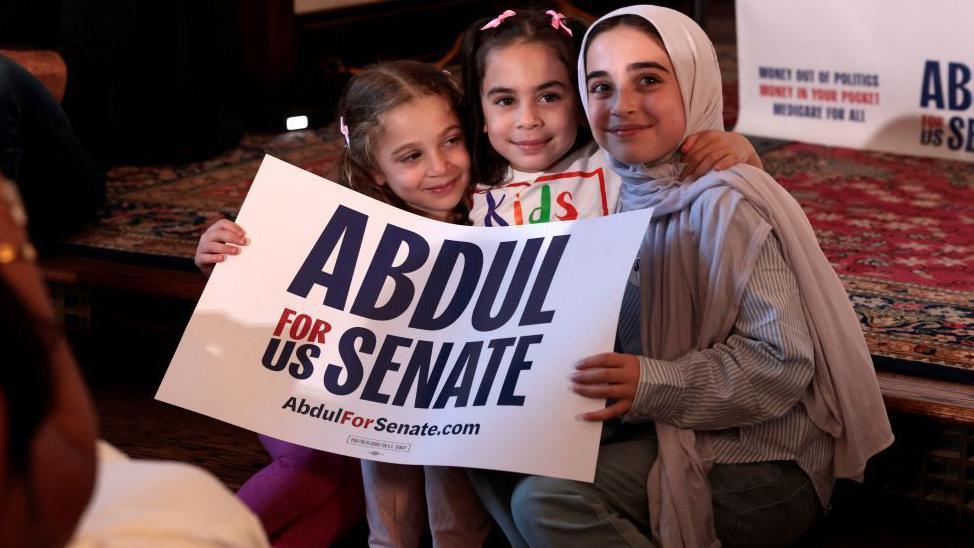
El‑Sayed entered the race with backing from senators Bernie Sanders and Elizabeth Warren and congresswoman Alexandria Ocasio‑Cortez, positioning himself on a platform that includes government‑run health insurance, lower drug costs, higher taxes on the wealthy and campaign‑finance reform.
Despite the establishment‑favoured Stevens receiving enormous financial support—including a nine‑to‑one advantage from outside groups—El‑Sayed’s performance in debates and on the stump earned him the upper hand among voters, particularly those with higher education.
2. Some pro‑Israel Democrats had a bad night
In certain other Democratic districts, incumbents with strong ties to pro‑Israel advocacy, including Aipac‑backed candidate Haley Stevens, were ousted by opponents championing a stricter stance on U.S. arms sales to Israel.
Jordan‑born Donavan McKinney defeated incumbent Shri Thanedar in Michigan’s House seat, while William Lawrence captured a key congressional district by focusing on a vote to stop American arms supplies to Israel.
3. Voters reject Republican measures in the Midwest
Ex‑voters in Missouri and Kansas decisively declined two ballot measures pushed by state Republicans: a proposal that would have made citizen‑backed constitutional amendments harder to pass and a plan that would have required Supreme Court justices to stand for election.
These losses signal a shifting default allegiance toward Democratic‑favoured policies such as abortion rights and a higher minimum wage, a trend that could influence the party’s mid‑term strategy nationwide.
4. Trump’s endorsement still (mostly) matters
In the Republican primaries, the former president’s endorsement was a decisive factor for several candidates. John James and Amanda McKinney, both with Trump’s backing, won their respective races for Michigan governor and the Washington state congressional seat.
However, in Michigan, Thomas Smith managed to defeat Amir Hassan, the Trump‑endorsed candidate, demonstrating the limits of the former president’s influence when leadership turnout is heavily leveraged.