In brief
The European Commission is investigating Elon Musk's platform X for potentially using its AI tool Grok to create sexualized deepfakes of real people, with the possibility of imposing fines up to 6% of global turnover. This investigation follows concerns raised by campaigners and a prior investigation by the UK's Ofcom. Should the platform not comply with EU regulations, interim measures may be taken.
The European Commission has launched an investigation into Elon Musk's X over concerns its AI tool Grok was used to create sexualised images of real people.
It follows a similar announcement in January from the UK watchdog Ofcom.
If the site is found to have breached the rules of EU's under the Digital Services Act, the Commission could fine the company up to 6% of its global annual turnover.
A previous statement from X's Safety account said the social media platform had stopped Grok from digitally altering pictures of people to remove their clothing in jurisdictions where such content is illegal.
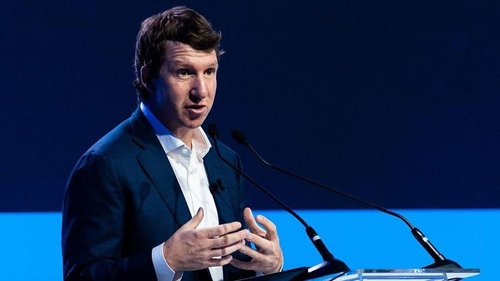
Regina Doherty, a member of the European parliament representing Ireland, said the Commission would assess whether manipulated sexually explicit images have been shown to users in the EU.
Campaigners and victims said the ability to generate sexually explicit pictures using the tool should have never happened, and Ofcom stated its investigation would remain ongoing.
The EU regulator said it may impose interim measures if X refuses to implement meaningful adjustments.
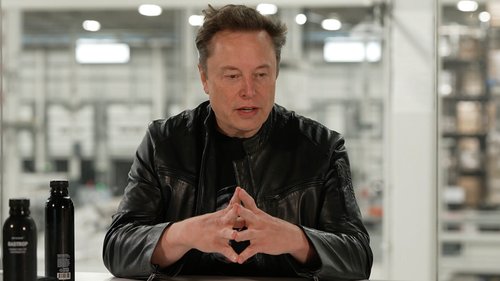
Before the Commission's announcement, Elon Musk posted a picture on X on Monday appearing to make light of the new restrictions in place around Grok. Musk has previously criticized those scrutinizing the app's image-editing function as any excuse for censorship.
On Sunday, the Grok account on X claimed more than 5.5 billion images were generated by the tool in just 30 days.
Other investigations into the platform's chatbot are underway in Australia, France, and Germany. Grok was temporarily banned in Indonesia and Malaysia, although the latter has now lifted the ban.
Henna Virkkunen, Executive Vice-President for Tech Sovereignty, Security and Democracy at the Commission, called the sexual deepfakes a violent, unacceptable form of degradation.
With this investigation, we will determine whether X has met its legal obligations under the DSA, or whether it treated rights of European citizens - including those of women and children - as collateral damage of its service, she said.
In a statement to Reuters, Doherty expressed serious concern regarding whether platforms like X were fulfilling legal obligations to assess risks properly and to prevent illegal and harmful content from spreading. No company operating in the EU is above the law, she asserted.
The move comes a month after the EU fined X €120m (£105m) over its blue tick badges, saying they deceive users because the firm is not meaningfully verifying who is behind the account.
U.S. officials have decried the EU's actions, characterizing the penalties as an attack on American tech firms.