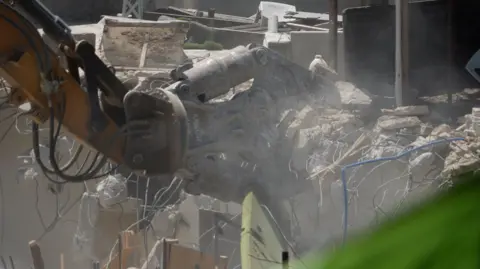
From a hillside overlooking the Old City, the clamour of a bulldozer cuts through the evening, signalling a new wave of demolition for Palestinian families in East Jerusalem’s al‑Bustan area.
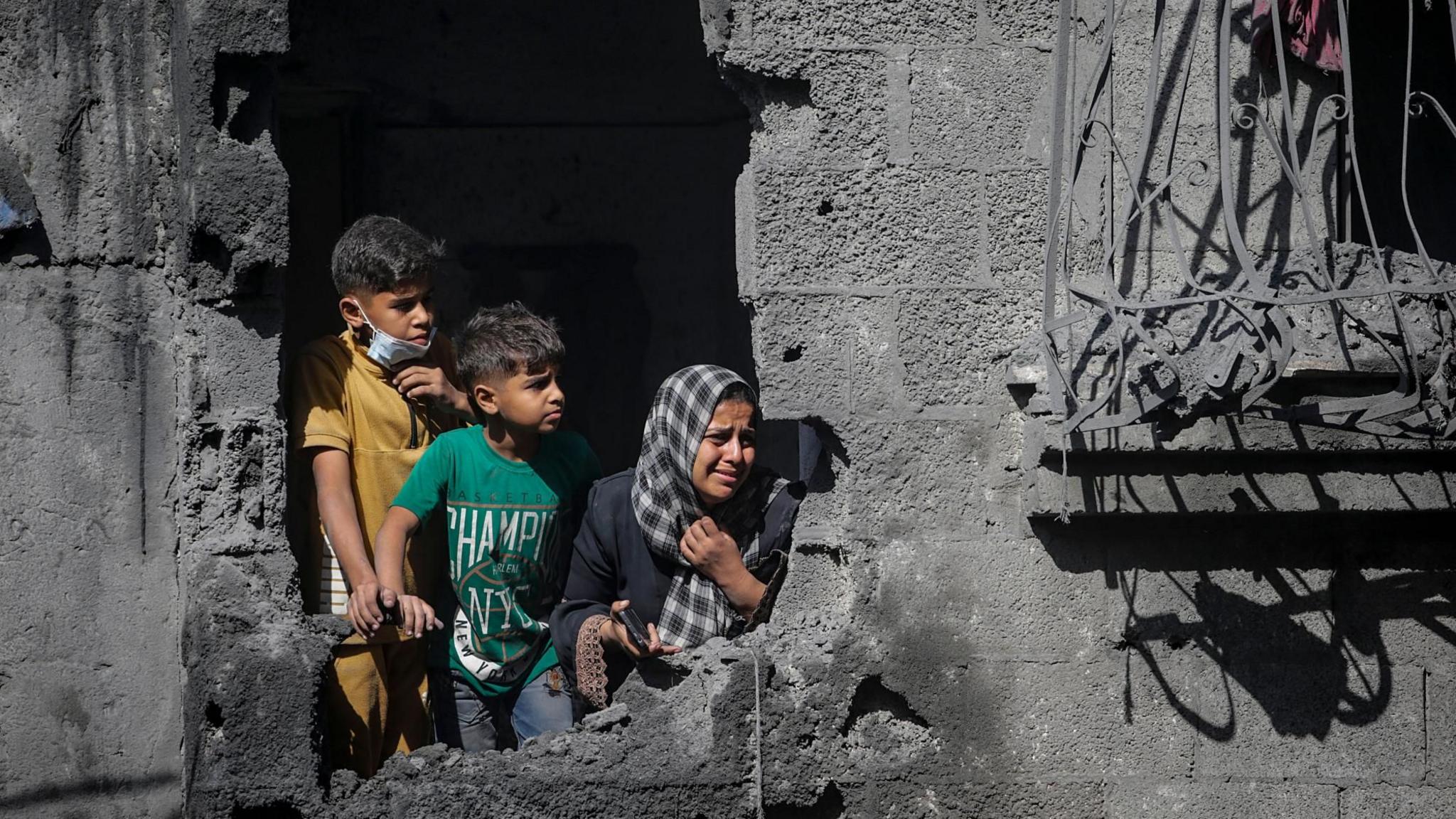
Since late 2023, 59 residential buildings have been destroyed by Israeli authorities. The households displaced by these violent takedowns now reside in temporary shacks or castles of rubble, providing a stark picture of loss for the 40‑plus residents who call the area home.
Fayez Awad, 58, sits on a single living‑room floor of what remains of his terraced home. “We spent our whole lives building this house. This is all we achieved in life. They brought us back to zero again, me and my children,” he laments.
Local activist Fakhri Abu Diab confides that municipal warnings promise more bulldozers in coming months. “Israel is using current geopolitics to finish the issue. We’re left with no space to move to, and the town council is waging a bulldozer war against us,” he says, his last rebuilt home already under threat.
In al‑Bustan, the Israeli Jerusalem Municipality’s long‑term plan to convert the area into a quasi‑biblical “King’s Garden” has driven the rapid issuance of demolition orders. The municipal legal team hijacks Jerusalem’s complex zoning laws to argue that these properties are de‑classified as private community land and can be seized. Palestinians, who otherwise own 40% of the city's population, find it almost impossible to obtain building permits, limiting their ability to secure legal housing.
Illustrating the tension is the case of the Basha family, who historically lived in the historic yeshiva that once served as a school. A four‑beloved municipal complaint forces the family, many elders, to evacuate the only place they have ever known. A temporary injunction blocks the order, but the legal labyrinth grows more daunting.
In the broader picture, Israel’s 2028 settlement plan has approved the construction of an ultra‑Orthodox yeshiva along Sheikh Jarrah’s edge, further stressing East Jerusalem’s already scarce public spaces. These projects are being pursued with an eye toward controlling a key holy site, the Al‑Aqsa mosque compound.
US and EU representatives have described the situation as dire, urging Israel to respect international law and protect civilian residences. Palestinian scholars see the planned demolition as swift proof of an agenda to claim jurisdiction over Jerusalem and “erase” Palestinian presence.
In a city where a melody of faith and history hangs over every stone, the unilateral tearing down of homes threatens the moral and spatial fabric. As lives are flattened under a silver chain of bulldozers, the future—and the entire city—stands on a precarious and contested ground.