In brief
The Democratic Republic of Congo interior ministry ordered a ban on mass gatherings in Kinshasa and three adjoining provinces to curb the growing Ebola outbreak currently confined to the eastern regions. With 1,274 confirmed cases and 360 deaths, scientists warn the outbreak could become one of the largest ever. Opposition parties allege the measure is politically motivated ahead of a protest march, whereas health officials urge strict containment, including a 21‑day quarantine for travellers from affected areas. WHO highlights that conflict in the east hampers containment efforts, while new antiviral trials may begin soon. The ban highlights the tension between public health imperatives and political agenda as the crisis unfolds.
The interior ministry of the Democratic Republic of Congo (DR Congo) has imposed a ban on all mass gatherings in the capital city of Kinshasa, along with the neighbouring provinces of Tshopo, Haut‑Uele and Bas‑Uele. The order, issued on Saturday, is an effort to halt the spread of Ebola that has so far affected only the eastern provinces of Ituri, North Kivu and South Kivu.
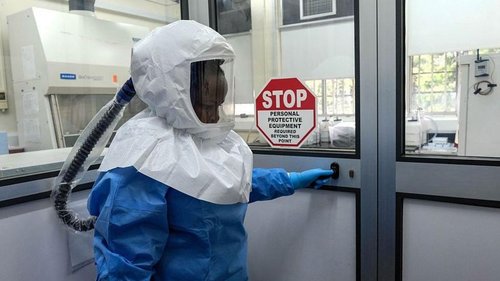
The virus, caused by the Bundibugyo strain and for which no vaccine is currently available, has killed 360 people and led to 1,274 confirmed cases. Health officials warned that the outbreak could become one of the largest ever, especially given the ongoing conflict in the east that hampers response efforts. The World Health Organization (WHO) and the Africa Centres for Disease Control and Prevention (CDC) are closely monitoring the situation, with trials for new antiviral drugs expected to begin soon.
Opposition groups, including the Lamuka coalition and the Envol party, have criticised the ban as a political move aimed at suppressing a protest march scheduled for 8 July. Prince Epenge of Lamuka said the government had made a “political” decision even though no cases have been confirmed in Kinshasa. Rodrigue Ramazani of Envol urged protesters to ignore the directive and proceed to the march, calling the ban a “manoeuvre” rather than a public‑health measure.
The government has yet to issue a response to the opposition’s criticism. Meanwhile, a doctor who tested positive for Ebola in France but is a citizen of the DRC was quarantined after passing through Kinshasa during her return to the capital.
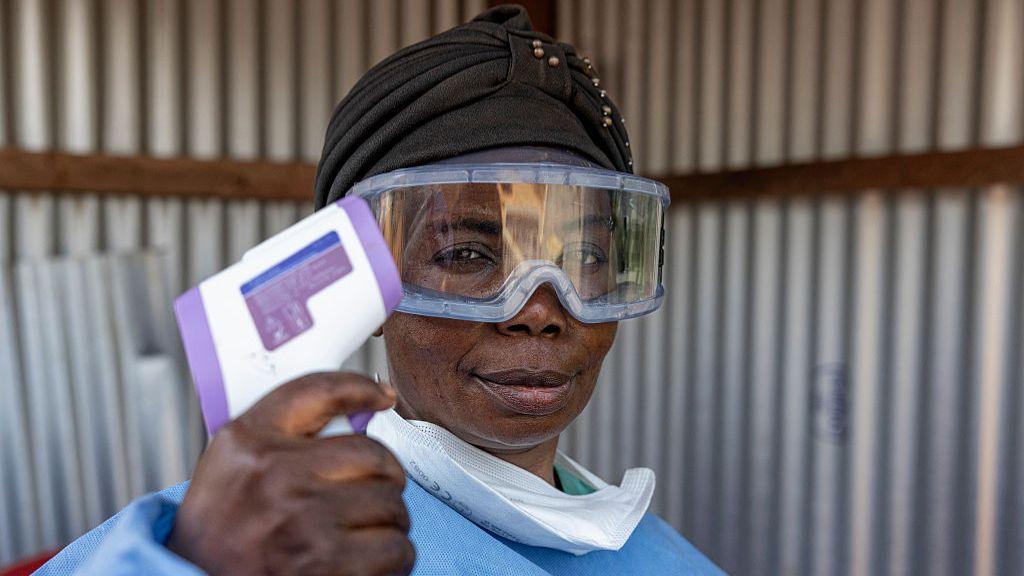
In addition to the ban, authorities have rolled out a 21‑day quarantine for travellers coming from the affected eastern provinces to other parts of the country. The ban covers mass gatherings in the entire country and has already been enforced in the three provinces where cases were confirmed, accounting for over 90% of infections.
To stay up to date on the outbreak, follow our live coverage and community chat for real‑time updates. Visit BBCAfrica.com for more African news and follow us on '@BBCAfrica' on Twitter, Facebook, and Instagram.