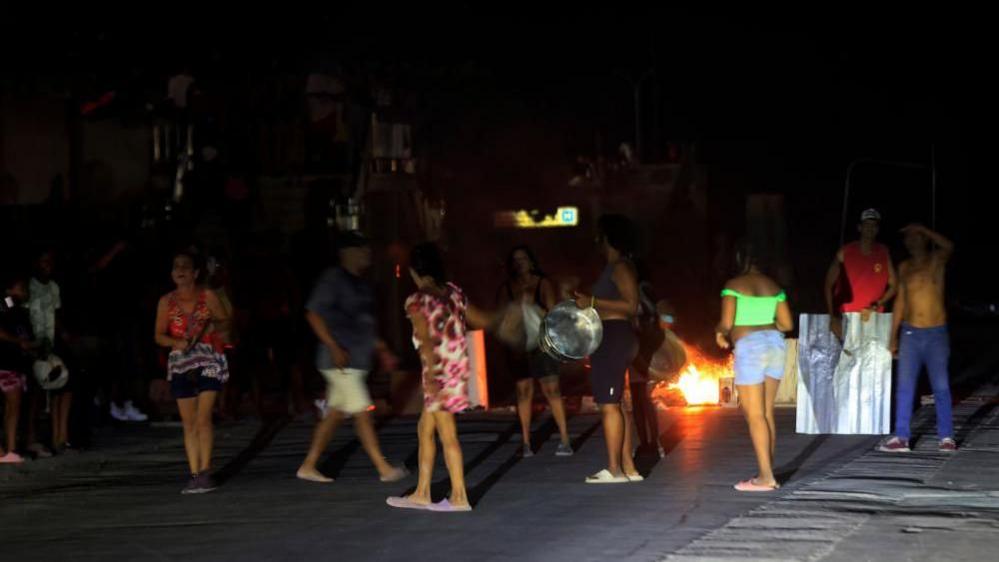
Cubans in several locations on the island banged pots on Tuesday evening to express their anger over the latest nationwide power cut.
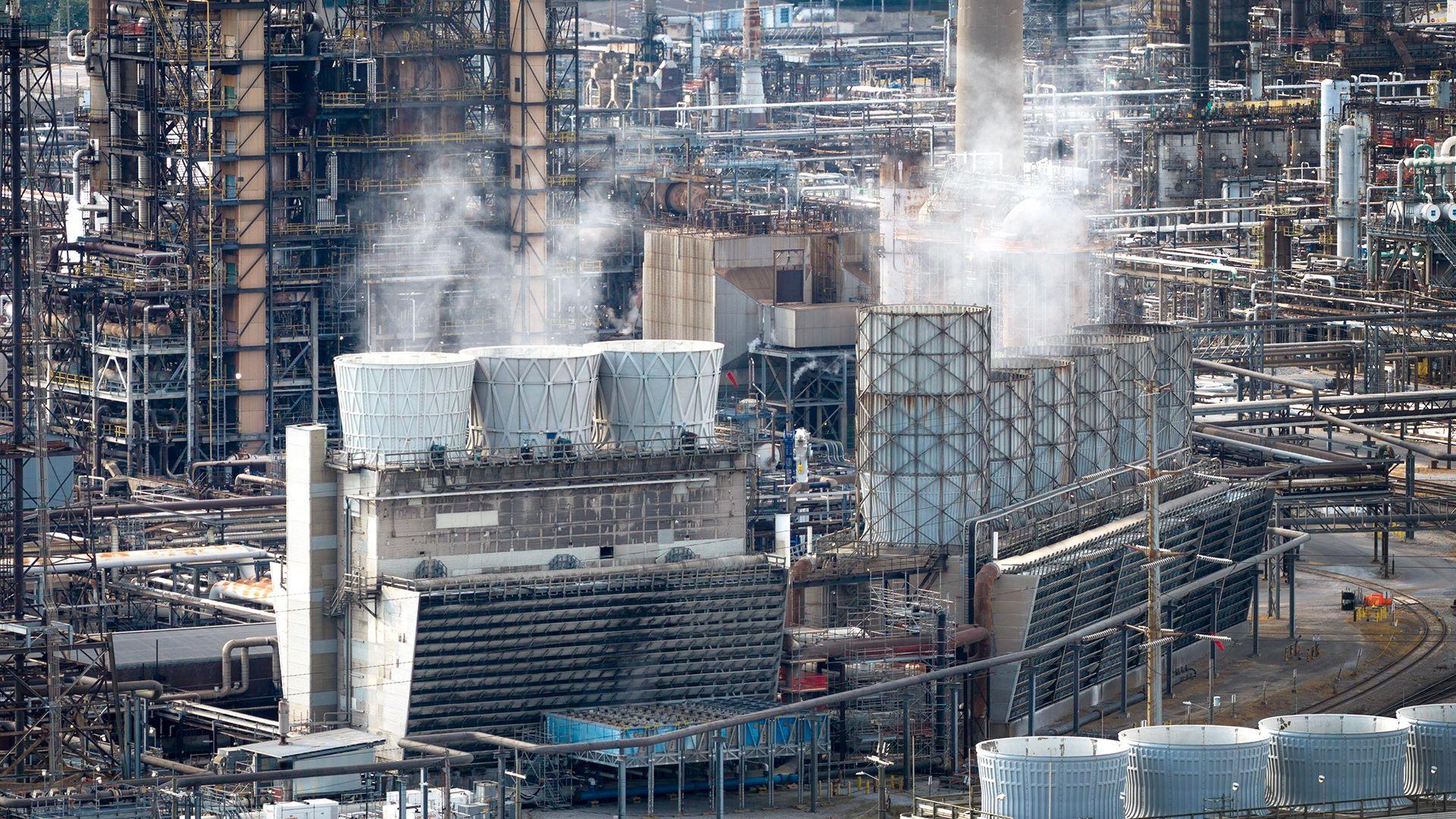
While public dissent in this Communist‑run country is often met with harsh penalties, spontaneous protests have erupted in areas hardest hit by the outages. The shortages of fuel—exacerbated by tight U.S. sanctions and a comprehensive oil blockade—mean even those using generators often lack enough fuel to keep the lights on during blackouts.
On Tuesday, officials announced that most of the country had had power restored, but in areas still shrouded in darkness locals shouted “turn on the lights!” and proceeded to strike pots, set rubbish ablaze, and chant in anger.
President Miguel Diaz‑Canel openly blamed the United States for the disruptions, telling reporters, “People bang pots, some with more anger than others. I say: direct your pot‑banging towards our northern neighbours, who are the ones behind these power cuts.”
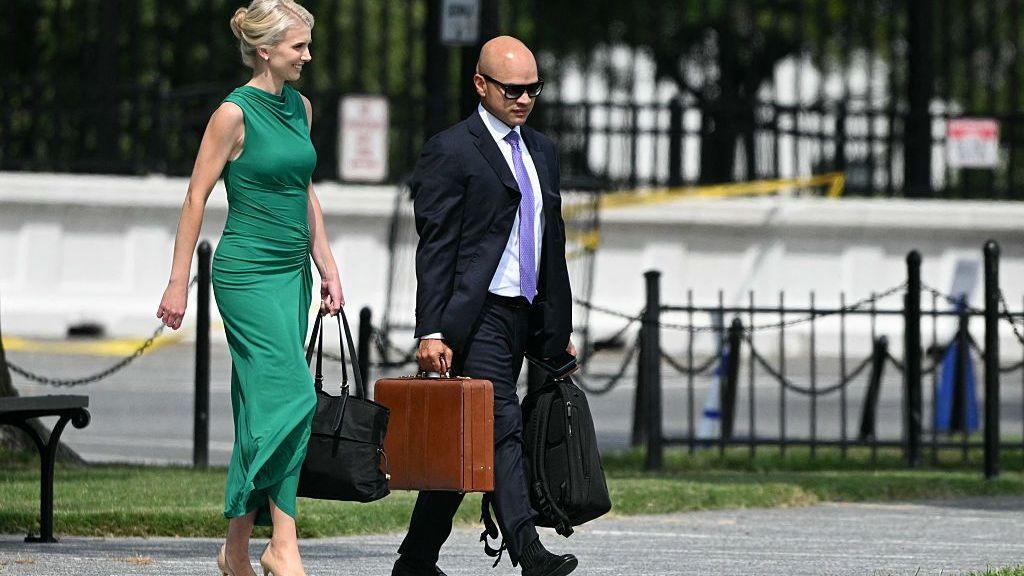
In contrast, U.S. Ambassador to the United Nations, Michael Waltz, blamed Cuban leadership, urging the government to “change your ways and turn the lights back on for your people.” He added that “there always seems to be enough power for the Cuban dictatorship.”
Foreign Minister Bruno Rodríguez counter‑accused the U.S. of staging a “multi‑dimensional, non‑conventional warfare” that has intensified over the last seven months. He added that the U.S. blockade of oil shipments has further strained Cuba’s ability to maintain power and vital supplies.
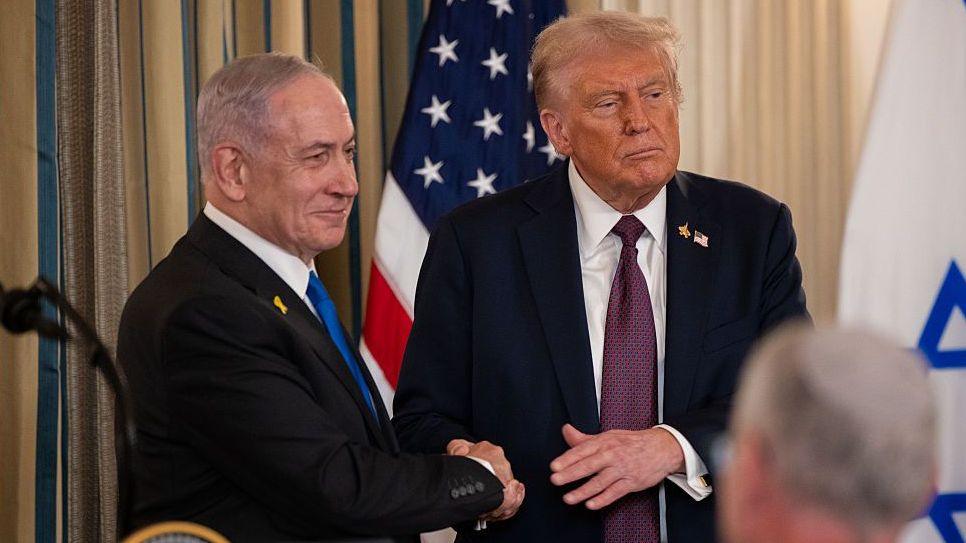
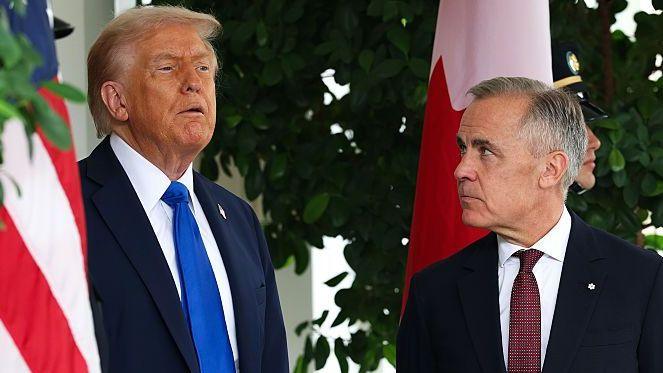
Since the Trump administration began pressuring the island in January, with fresh sanctions and a blockade on oil shipments, U.S.–Cuba relations have deteriorated sharply. Although public exchanges grew hostile, the two sides have reportedly held private talks in recent weeks, with the Cuban side stating that the discussions have produced “no progress.”