In brief
As the nation heads toward elections, both candidates grapple with a deepening crisis and high youth discontent.
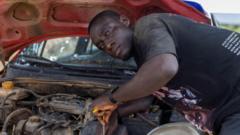
In Ghana, where the youth population constitutes nearly 40% of the country, stories like Nathaniel Qainoo's have become increasingly common. Once an aspiring accountant, Qainoo, 29, has found himself working as a mechanic, repairing taxis under a mango tree in Kasoa, about 30 kilometers from Accra. His struggles are emblematic of the broader economic challenges faced by many Ghanaians in a nation grappling with a severe economic downturn since 2022.This economic crisis was marked by the government's default on debt repayments, a "junk status" credit rating, soaring inflation peaking at 54%, and a staggering 70% depreciation of the cedi over eight years. A $3 billion bailout from the International Monetary Fund (IMF) has brought some relief, but many, including Qainoo, see little hope for rapid recovery. He voiced his despair to the BBC: "I don’t know how this country is going to be saved from this crisis," and expressed his desire to emigrate for a better life.As Ghana prepares for presidential and parliamentary elections this Saturday, economic issues dominate discussions. The two leading candidates are former President John Mahama, who seeks a comeback, and Mahamudu Bawumia, the current vice-president looking to ascend to the presidency. Under President Nana Akufo-Addo, who is stepping down after two terms, both candidates aim to uphold Ghana's democratic stability, but they come with their own burdens. Bawumia, despite holding a master’s degree in economics from Oxford and heading the government’s economic team, has struggled with the public perception of his abilities in light of the ongoing economic crisis. Campaigning from a bus adorned with his slogan, "It is possible," he highlights his commitment to building a "digital economy" and creating jobs, particularly for the youth.In contrast, Mahama emphasizes the need for a "reset" of the economy. He attempts to leverage his past tenure to assure voters, despite being previously criticized for an electricity crisis during his presidency from 2014 to 2017. Both candidates propose tax cuts to alleviate the cost of living, but experts warn that fulfilling these promises will be difficult under the constraints of the IMF program.Recent polls hint at a tight race, with Mahama leading marginally but with a close enough margin to leave the prospect of a runoff, if no candidate secures over 50% of the votes. Political analysts suggest that this election is a referendum on the candidates' previous records and ideas for the future. As tensions rise and the ramifications of the economic downturn loom, Ghanaians like Nathaniel Qainoo find themselves caught in the balance, weighing their future and the direction their nation may take in the wake of these critical elections.