In brief
As China faces a shortage of cemetery space and high funeral costs, the government is banning the practice of storing cremated remains in empty apartments. This legislation aims to regulate the usage of residential properties for this purpose and sets forth guidelines to improve transparency in funeral pricing. The ban is timed closely to the Qingming Festival when many families honor their deceased loved ones. Critics of the move question the feasibility of enforcement and urge for more affordable burial options as the cost of plots remains prohibitively high.
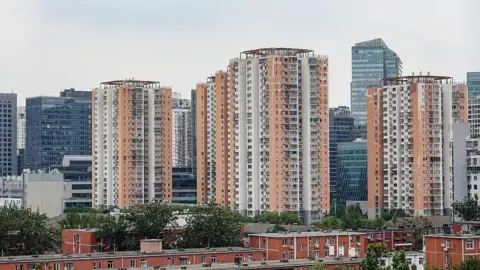
The Chinese government is set to ban people from storing the cremated remains of their loved ones in empty apartments instead of paying for expensive cemetery plots. The new law will put an end to bone ash apartments, which have risen in popularity as spaces in cemeteries remain scarce. Low property prices in the country mean that for many, it is more affordable to entomb the ashes of relatives in an empty apartment than pay for funeral costs.The legislation prohibits the use of residential properties specifically for the placement of ashes as well as the burial of remains outside of cemeteries and areas where ecological burial is legal. Bone ash apartments are empty properties that family members convert into ritual halls where they place the remains of their loved ones, often turning the space into an ancestral shrine. These apartments are easily identified by closed curtains or sealed-off windows. With property prices falling in recent years, mourners have been utilizing this cost-effective alternative, especially as cemetery spaces become increasingly limited. In Beijing, the cost of burial plots varies significantly, with prices for traditional plots starting around 150,000 yuan (£16,400) and potentially exceeding 300,000 yuan (£32,841).Many commentators on social media have pointed out that the high costs of cemetery plots raise concerns about how effectively the new law will be enforced. Critics argue that if cemetery plots were more affordable, families would not resort to alternatives such as bone ash apartments. As the law goes into effect, the authorities are also planning to introduce new regulations aimed at reducing fraudulent practices in the funeral industry and increasing transparency in pricing to alleviate the financial burden on families. This announcement arrives just ahead of the Qingming Festival, a significant event in Chinese culture dedicated to honoring ancestors.