In brief
Chapal Bhaduri, known as 'Chapal Rani', was a significant figure in the jatra theater of Bengal, captivating audiences with his portrayal of female characters. As societal norms evolved, Bhaduri's prominence diminished, yet he remains a poignant symbol of gender fluidity and performative artistry. A new book, 'Chapal Rani: The Last Queen of Bengal', reflects on his life, shedding light on the blurred lines of gender in theatrical performance.
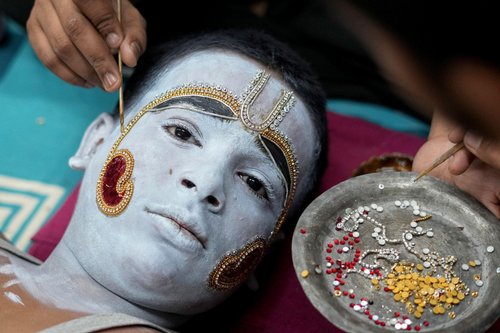
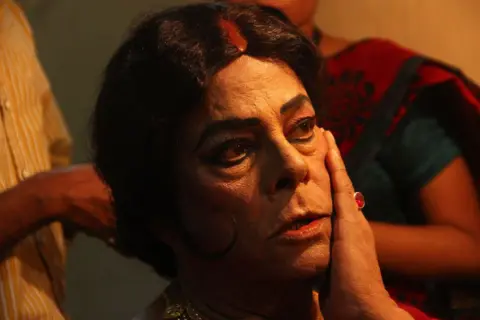
In mid-20th Century Bengal in eastern India, some of the biggest female stars on stage were actually men. Foremost among them was Chapal Bhaduri - better known as Chapal Rani - the reigning 'queen' of jatra, a travelling theatre tradition that once drew vast, fervent crowds. Male actors playing female roles were a familiar trope across global theatre, from Europe to Japan and China.In Bengal, the form flourished in jatra - a rural, open-air spectacle of music, myth and melodrama that rivalled cinema in reach, though not in rewards. With roots in epic and devotional storytelling, it played out on all-sided stages, driven by heightened voice, gesture and costume. Writer Sandip Roy's new book, 'Chapal Rani: The Last Queen of Bengal', traces Bhaduri's journey from stardom to obscurity, capturing a vanishing world where gender itself was an act.For decades, female roles in jatra were filled by men known as purush ranis, or male queens. However, this tradition faced stigma - colonial-era elites in Calcutta dismissed jatra as rustic. By the time Bhaduri rose in the 1950s, women began to claim acting roles, limiting space for female impersonators.Bhaduri, born in 1939 in Kolkata, began acting at 16. On stage, he transformed into queens, courtesans, and goddesses with grace. His performances were immersive and deeply felt, deviating from the comic caricatures typically depicted in queer-coded characters. Off-stage, however, Bhaduri's life remained complex; he did not openly identify as gay due to societal constraints.Bhaduri navigated a shifting theatrical landscape as audiences gradually favored female actors. His career waned as traditional conventions began to unravel, ultimately leading to his marginalization. While many contemporaries faded into poverty, Bhaduri survived through various odd jobs, including street performances as a Hindu folk goddess.Later in life, though he faced declining health and solitude in a retirement facility, Bhaduri's legacy has been revisited in documentaries and literature, resonating with a younger generation seeking queer histories. Although he resisted contemporary labels, he remains a poignant figure in the discourse on gender fluidity in performance. As conversations around identity gain momentum, Bhaduri's story highlights a rich historical where gender was fluid in practice, even if not always in name.