Botswana’s Independence Day Sparks Controversy Over Elephant Slaughter
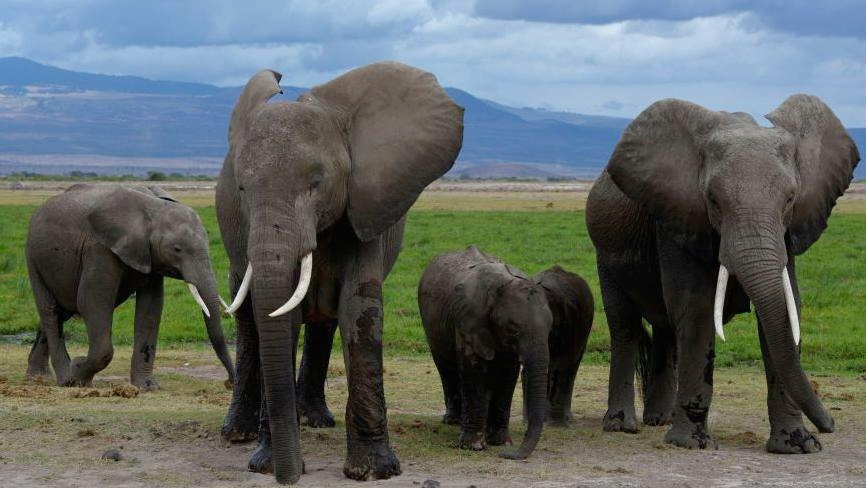
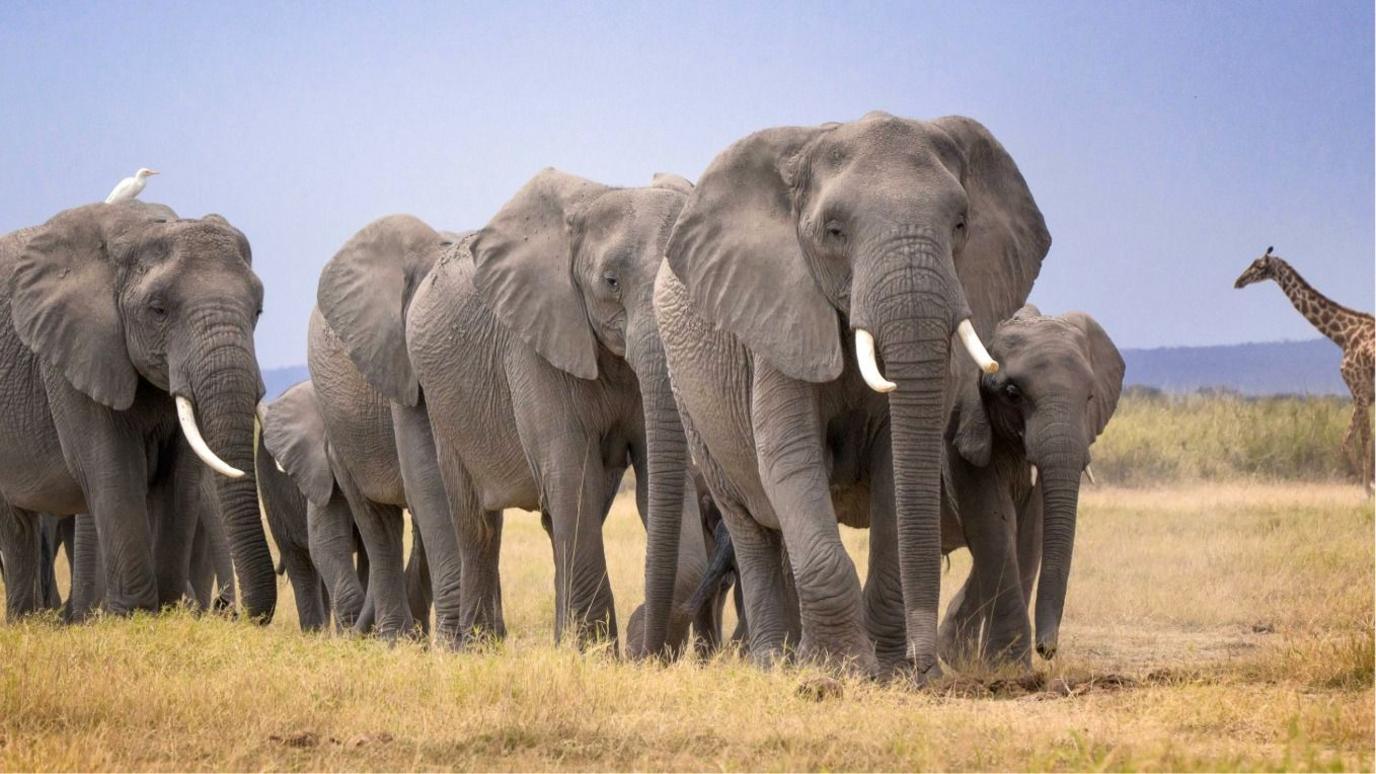
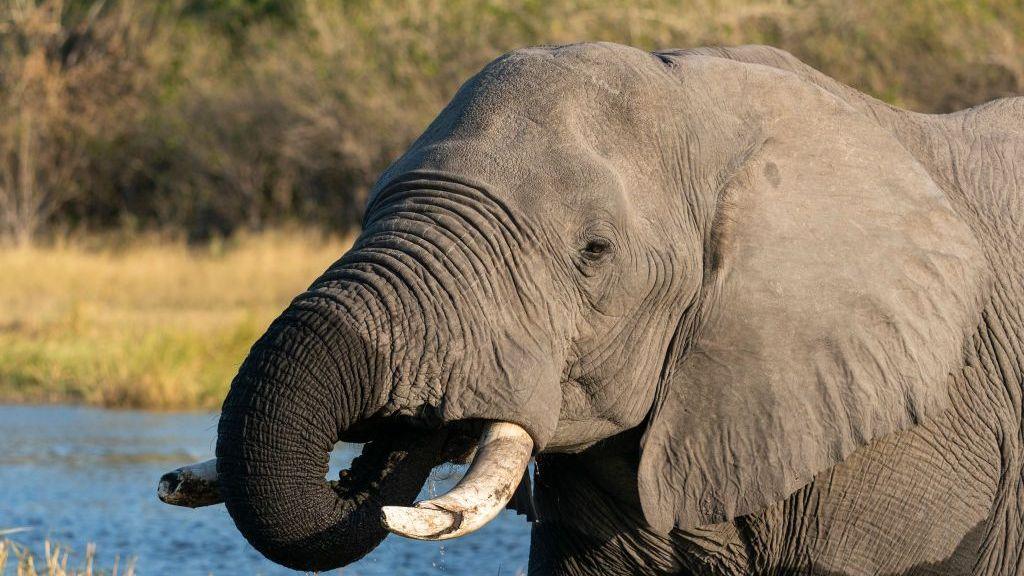
The southern African nation, which houses the world’s largest elephant population, has made headlines yet again—this time not for conservation but for a decision to authorize the killing of 23 elephants in celebration of its 60th Independence Day.
A licence issued by the Ministry of Environment and Tourism, discovered by local media, permits the hunt of 23 elephants and other wildlife for what it calls “complementary purposes.” The animals were to be distributed across eight districts and served during traditional feasting.
Skepticism has grown as footage from the field shows residents surrounding carcasses, some cutting meat with knives and sharing it amidst cheers. The practice has rattled many who point to the fact that Botswana is a global beacon for wildlife protection, wrestling with the fact that some communities suffer damage from elephant movements and that high elephant numbers strain human‑wildlife interactions.
Oaitse Nawa, chairman of the Elephant Protection Society, warned that the slaughter could create a dangerous precedent, effectively signalling to poachers that killing elephants is government‑sanctioned. He urged authorities to maintain more stringent control and improve the integrity of wildlife management.
Health concerns echo the debate. With Botswana facing a foot‑and‑mouth disease outbreak, authorities have imposed strict controls to contain the contagion; eating game meat has become increasingly questioned among the public.
Workers on the ground report uneven distribution: some villagers, especially the elderly, pregnant women and people with disabilities, found it hard to access the meat directly from carcasses. MP Simasiku Mapulanga of the Chobe district called for a processed distribution system of 5‑kg or 10‑kg blocks to “ensure fairness, dignity and public hygiene.”
In a broader view, Botswana’s policy of regulated hunting has oscillated over recent years, with a 2014 ban on trophy hunting later lifted in 2019. The current administration, led by President Duma Boko, continues to promote hunting as a way of managing the elephant population and fostering local incomes. Revenue from special quotas reportedly helped fund projects in elephant range areas, but conservationist groups argue that the scale remains unsustainable.
The debate highlights a longstanding tug‑of‑war between the need for economic development, protection of human communities, and the imperatives of conservation in a country where wildlife and human livelihoods are intertwined. The new normal of celebrating independence with elephant meat has opened new questions: how will Botswana navigate these competing interests as it moves further into the next decade?

Image source: Getty Images