In brief
Professor Marta Yebra’s Bushfire Research Centre utilises satellite imagery and drone feeds to map out fuel‑rich areas, while Indigenous firefighter Adrian Webster brings 60,000‑year‑old land‑sensing skills to ground‑truth the data. Their partnership spotlights cultural burning and back‑burn tactics, a profound shift from reactive to proactive management. Australian methods are now informing European fire‑burn protocols, and international crews, from Canada to France, are adopting back‑burns and drone reconnaissance. Long‑season forecasts project a more dangerous summer, prompting global firefighter cooperation and early‑season hazard reduction burns.
Australia fuses cutting‑edge tech with Indigenous land‑knowledge to fight fires.
Professor Marta Yebra, a Canberra researcher whose roots stretch back to Spain, leads a team that uses satellite data and drone footage to map “fuel‑moisture content” – a key predictor of where large fires will ignite. That data alone offers only a slice of the picture.
Enter Adrian Webster, an Indigenous firefighter raised on the south‑coast of New South Wales, who interprets the same satellite images through millennia of hands‑on landscape reading. He tales the scent and colour of plants, the shadows of trees, the water‑rich spots that human eyes can instantly spot. “I dig and go underground, looking for oil and water under the canopy; that is the sweet spot for a controlled burn,” he explains.
Their combined work validates how Indigenous insights translate satellite data into actionable maps: informing where a cultural burn – a small, controlled blaze that prevents fuel build‑up – should go. These burns cut the risk of a large, uncontrolled fire that could devastate communities.
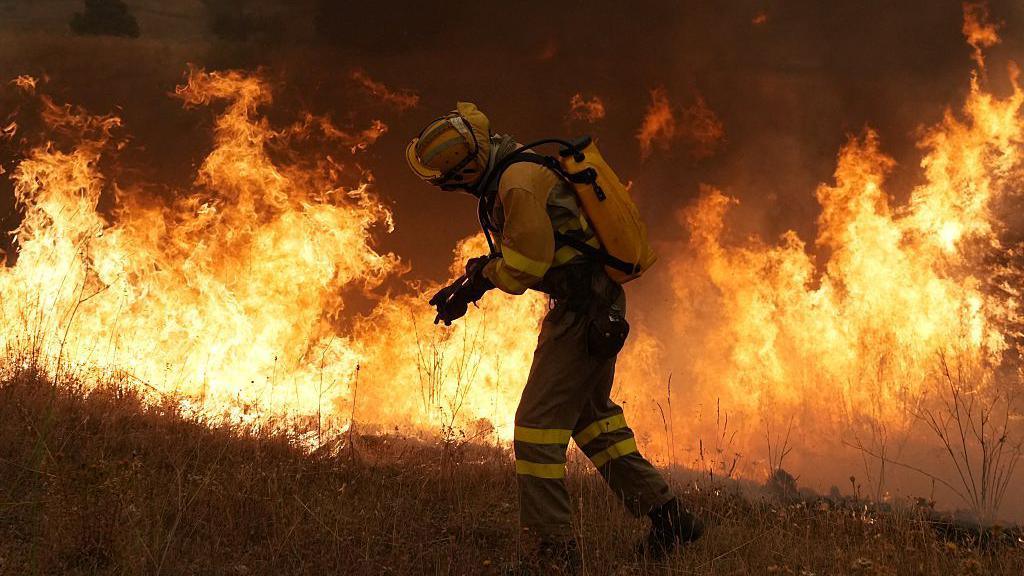
Australia’s methods are now influencing European crews. While Spain, under the grip of an emerging super EL Nino, faces a decade‑high wildfire toll, Australian fire‑fighters are training on back‑burns – deliberately lighting fire ahead of an incoming blaze to strip vegetation. Canadian teams, fresh from a 2023 Alberta wildfire deployment, have swiftly embraced this tactic. Over the past year, back‑burning has moved from a niche technique to mainstream practice.
Drones add another layer of frontier strategy. They patrol fires faster than helicopters, delivering real‑time data and even dropping equipment to field crews. Trent Curtin of the Rural Fire Service says, “A drone can scan the fire’s progress, give us intel, and inform decisions before the next aircraft arrives.”
With a projected super EL Nino this summer, the Bushfire Research Centre predicts a harsh season. Chief Officer Jason Heffernan from Victoria cites 2009’s Black Saturday and warns that “our environment is designed to burn.” However, he sees hope in inter‑national cooperation: “We cannot do this alone. Formal, trusted networks and timely requests for help are crucial.” France’s recent request for Australian crews to aid in a record‑blazing summer wildfire underlines this trend.
Australia’s fire strategy showcases a new paradigm: an alliance of ancient smolders and modern satellites. By fusing Indigenous conviction with scientific data, fire‑fighting agencies worldwide now have the tools to anticipate risk and act swiftly – turning the foe into a manageable friend.