In brief
Australia has become the world’s extinction hotspot, losing roughly four species every decade as feral pests, disease, and climate change ravage wildlands. One beacon of hope shines from Dryandra Woodland, where dedicated teams have lifted the numbat from the international red list to near‑threatened status, proving that focused conservation can reverse decline. Yet the continent’s biodiversity still faces relentless habitat loss, invasive species, and uneven government support, threatening future gains. The numbat’s story underscores the urgent need for stronger federal action, balanced subsidies, and sustained funding to protect countless other endangered species.
Australia, celebrated for its unique flora and fauna, now ranks as the planet’s top extinction hub. Roughly four species disappear every decade, driven by feral cats, cane toads, habitat clearance and climate‑driven disasters. Yet in the remote Dryandra Woodland of Western Australia a rare marsupial— the numbat—has defied odds and returned from the brink of extinction.
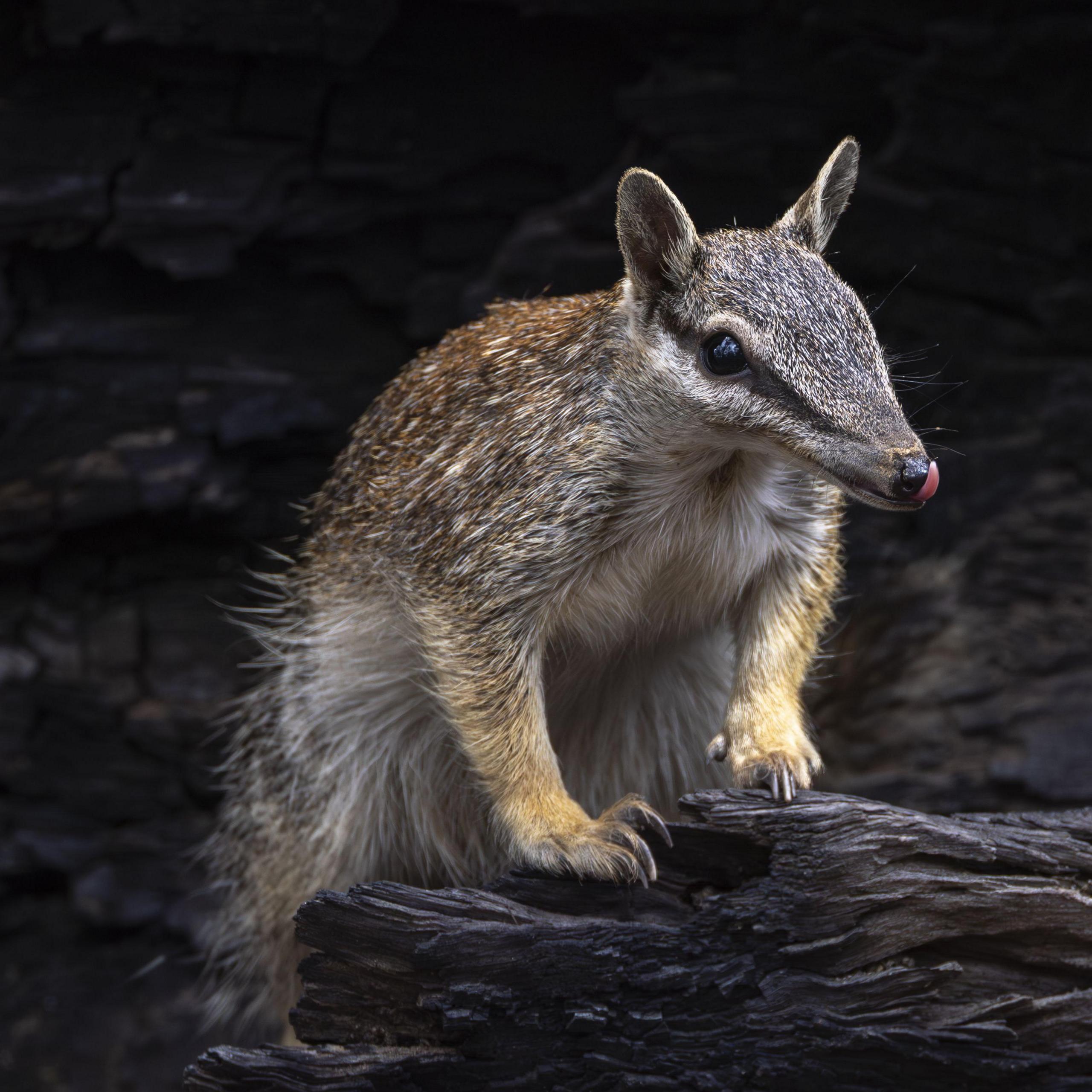
'Eyes peeled,' the field team shouts from the front seat of a pickup as they scan ridgelines for the numbat’s tan‑striped tail. But sightings are fleeting; the animal’s presence in the wild is a fragile triumph.
Once numbering fewer than 50 across Australia, numbats are now recorded at around 3,000 nationwide, with Dryandra’s numbers having multiplied ten‑fold. 2026 marks the animal’s removal from the global red list and its re‑classification as near‑threatened, a testament to the meticulous annual surveys and GPS‑based density modelling conducted by volunteers and scientists alike.
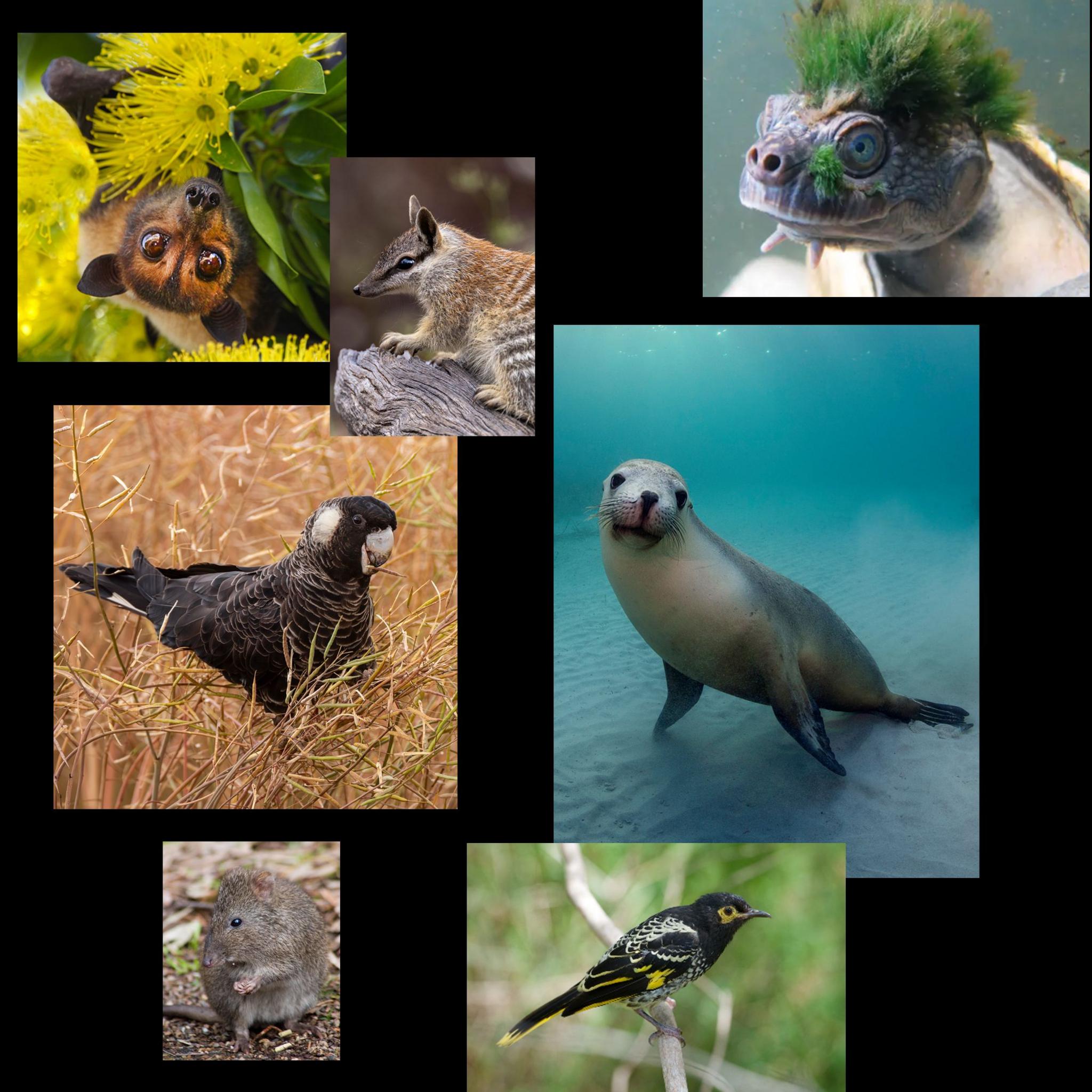
Beyond the numbat, that corner of Australia teems with peril‑stricken species: Carnaby’s black‑cockatoo, the Gilbert’s potoroo, and the thriving yet threatened Australian sea lion. Many of these depend on fenced reserves and predator‑control rigs that spray poison to curb feral cats and foxes— a costly but essential intervention highlighted by the dedicated volunteer 'Jacko' who watches from the truck’s rear hatch.
The extinction spiral is set in motion by a cocktail of challenges: land‑clearance for mining, timber and agriculture; invasive weeds like lantana; disease outbreaks such as chlamydia and chytrid fungi; and climate events that eradicate megasheds of habitat. 2019‑20 Black Summer bushfires claimed an estimated three billion animals, followed by record floods that further stressed ecosystems.
Politically, the federal government’s commitment appears balanced; Minister Murray Watt pledged to halt new extinctions, yet conservationists accuse the government of allocating only A$700m to nature protection— a fraction of the A$33bn that some say should be spent. 26 liters of subsidies support mining and intensive agriculture, magnifying the imbalance and undermining habitat recovery.
While recent legislative shifts promise better environmental oversight, experts argue that without decisive political will and larger budgets, Australia’s biodiversity gains risk reversal. The success story of the numbat, though inspiring, is a reminder that continued vigilance is necessary; past triumphs are quickly undone when funding and policy unravel.
A Warning and a Call to Action
As the nation marches toward its 2030 biodiversity reversal target, the numbat’s rebound offers a blueprint—a story of hard work, community engagement, and scientific rigor. It also highlights the high stakes: without sustained investment, other species such as the woylie and many birds and frogs may slip back into decline. The Australian government and all stakeholders must translate policy into practice, amplifying measures that curb invasive threats and protect remaining habitats.
The numbat’s holiday in the wilderness is a brief, hopeful chapter—but the true test lies in preserving Australia’s irreplaceable wildlife for future generations. The time to act is now, as every lost species diminishes the planet’s natural heritage and the cultural fabric of its First Nations people.