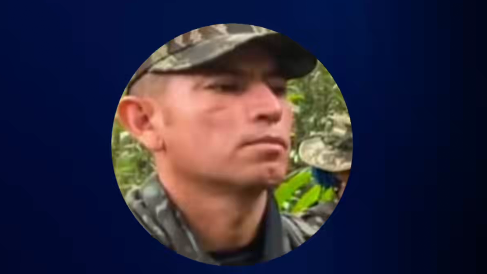
Alleged rebel leader killed in Colombia as president targets armed groups
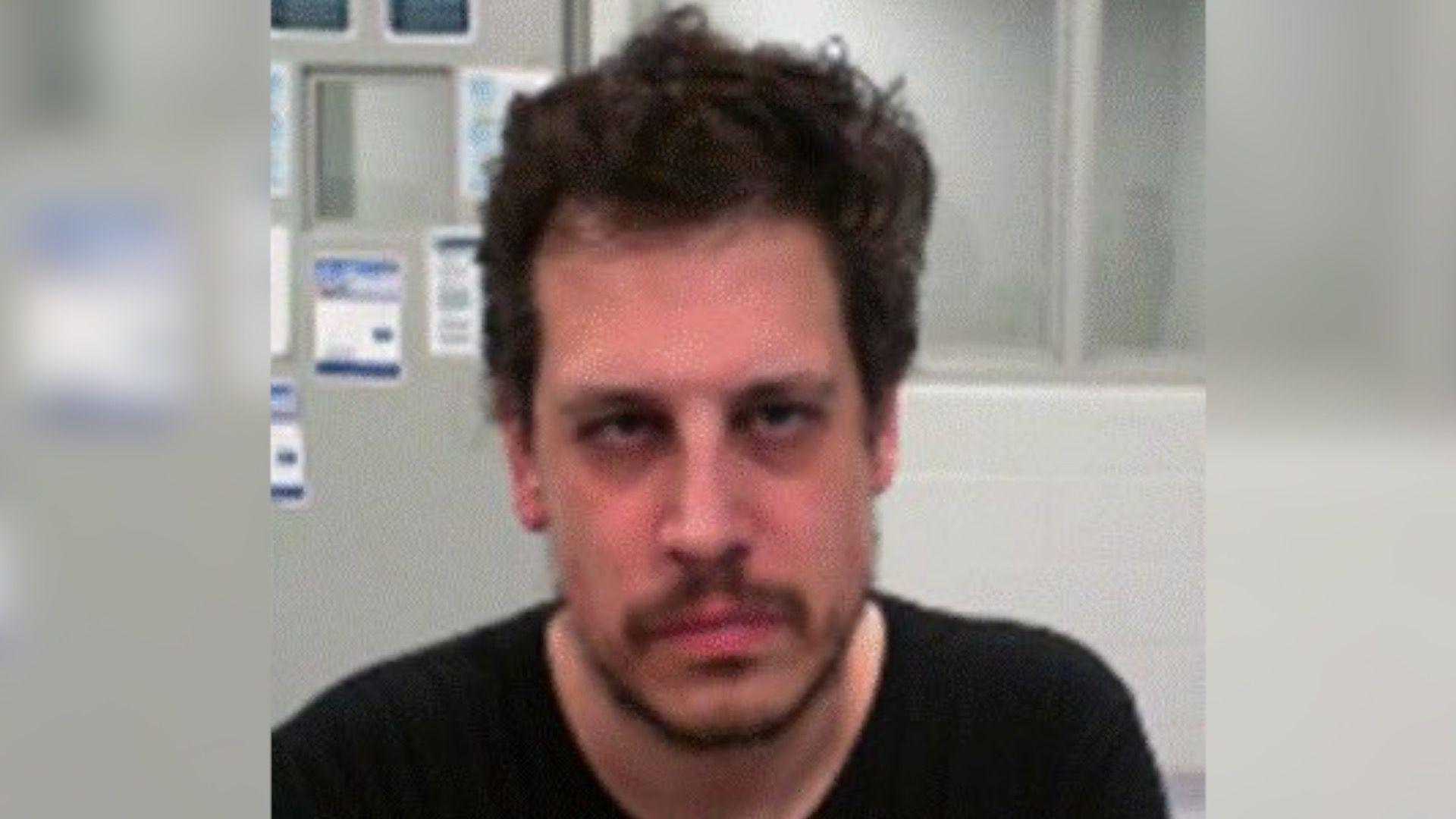
A military operation in central Colombia took the life of Hernando Forero Mosquera—known to many as “El ruso”—and five other men allegedly linked to a dissident faction of the Revolutionary Armed Forces of Colombia (FARC), officials say. The incident comes amid a nationwide campaign ordered by President Abelardo de la Espriella to disband illegal armed groups and restore security in the war‑torn country.
De la Espriella, who was sworn in last Friday, immediately pledged that the killing of Forero Mosquera would send a “clear and powerful message to all bandits that there is nowhere for them to hide.” He stated that the new administration would pursue a radically different strategy from his left‑wing predecessor, Gustavo Petro, who had championed what he called a “total peace” approach that prioritized negotiations with insurgent groups. When those talks frequently broke down—as many factions violated ceasefires and resumed hostilities—Petro’s policy left Colombia vulnerable to an uptick in illicit activity and violence.
Military intelligence reports from the night operation confirmed that Forero Mosquera led the Frente 28 group, one of several splinter factions that emerged following the 2016 peace deal with the FARC. While the agreement officially ended hostilities by 2017, some former guerrillas did not agree to lay down their arms, opting instead to join or form new groups that continue to engage in drug trafficking, illegal mining and other ana‑bony crimes. These factions have been a significant driver of Colombia’s resurgence of violence in recent years.
In addition to Forero Mosquera, de la Espriella’s troops reportedly killed three more suspected members of the same dissident group in a rural raid in Meta province. The president also announced that soldiers had eliminated two alleged members of the Gulf Clan, a criminal syndicate, during an offensive in Antioquia province.
The president’s hard‑line stance has already met with defiance from various rebel groups, evidenced by a series of bombings and drone‑dropped explosives that took place the day after his inauguration. On Saturday, motor‑bike‑car bombs detonated across at tollbooths in Cauca, injuring two security guards, while a police officer in Cesar province was killed by a drone‑launched device. De la Espriella praised the military for these victories in a video uploaded to social media, describing Forero Mosquera as an explosives expert who had a track record of destabilizing the country.
The new president also tapped into significant foreign support. In Friday’s opening remarks, he received a warm endorsement from U.S. President Donald Trump—the former president’s first foreign visit—and announced that the U.S. State Department plans to provide a $1 billion (£740 million) security assistance package to the Colombian government. Moreover, the U.S. welcomed Colombia’s accession to the Shield of the Americas, a US‑led alliance of Western Hemisphere nations aimed at countering drug trafficking, transnational crime and gang‑related violence.
The crackdown is not without its critics. Some civil‑society groups warn that an all‑out military approach could exacerbate displacement, human‑rights abuses and further embolden the surviving insurgent factions. Nevertheless, de la Espriella’s administration has signaled that the new era of security policy will apply no compromise to the fight against any armed groups that continue to threaten the country’s stability and prosperity.
The death of Hernando Forero Mosquera marks a significant moment in Colombia’s tense transition. As President de la Espriella moves forward with a combative stance that contrasts sharply with Petro’s conciliatory style, the nation watches closely. The next weeks will reveal whether this new approach will quell the violent insurgencies that have plagued the country for decades or, as critics suggest, inflate a cycle of re‑emerging conflict and civil unrest.