In brief
Chinese online giant Alibaba has filed a federal lawsuit in California demanding it be removed from a Pentagon blacklist that links the company to China’s military. The DoD used Alibaba’s compliance with Chinese regulations to classify it as a “military‑civil fusion contributor.” Alibaba argues the designation is without evidence and illegal, noting that American exporters and contractors would be forced to abandon ties to Alibabain order for a decade. The court action comes amid a broader expansion of the blacklist that now includes other Chinese tech firms. Alibaba’s complaint cites unlawful deprivation of its American presence and an arbitrary, capricious decision to place its board members on the list.
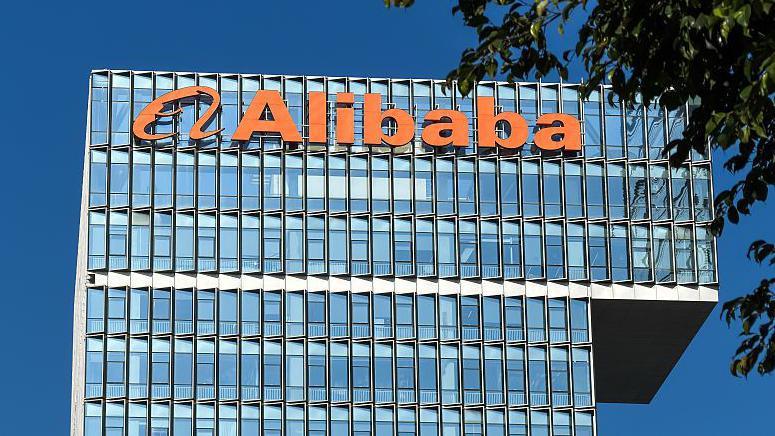
On 23 June, Chinese e‑commerce and tech giant Alibaba launched a legal challenge against the US Pentagon, suing to be removed from a defence blacklist that alleges the company is linked to China’s military. The court filing, submitted in a California federal court, claims the DoD’s decision is “without basis in fact or law.”
The Department of Defense (DoD) placed Alibaba on the so‑called 1260H list, describing it as a “military‑civil fusion contributor to the Chinese defence industrial base.” The classification is predicated on Alibaba’s adherence to China’s strict regulatory framework, a standard that even American firms in China must follow. Alibaba argues that a standard applied to all multinational corporations has no bearing on the company’s military ties.
Alibaba’s independent board members, according to the company, have no military affiliation, and the firm emphasises that its cloud and retail platforms serve civilian, not weapons, markets. The lawsuit details how the blacklist will, by 30 June, prohibit the Pentagon—and any US defence contractor that shares legal counsel or lobbyists with Alibaba—from engaging in business with the company. The restriction effectively silences Alibaba’s long‑term advisers in Washington.
Alibaba also alleges that the DoD failed to provide a hearing or request additional evidence after the company submitted its defence‑sector contribution documentation. “We were designated without notice, without a fair hearing,” the complaint states. The DoD declined to comment on the case, citing court‑confidentiality rules.
The lawsuit arrives after the Pentagon expanded its blacklist to include other major Chinese tech firms such as Baidu, BYD, and Nio. The move has raised concerns about the future of cross‑border tech collaboration and the reach of US defence policy.
As the case proceeds, industry observers watch closely. A ruling in Alibaba’s favour would force the DoD to amend its classification criteria, while a win for the Pentagon could reinforce the use of blacklists as a tool in geopolitical competition. For now, the fight to clear Alibaba’s name—and to test the limits of US defence regulation—has entered the courtroom.