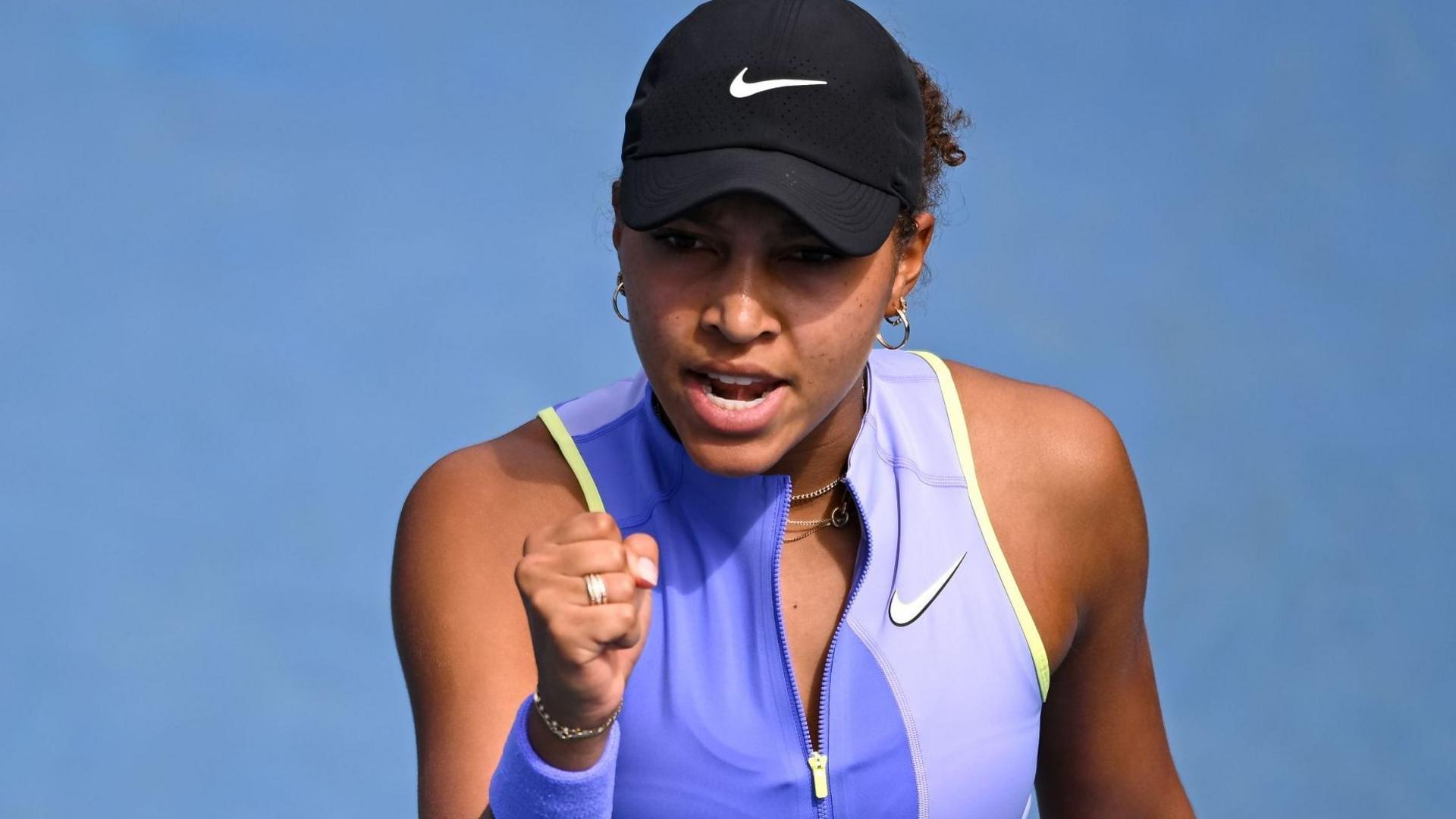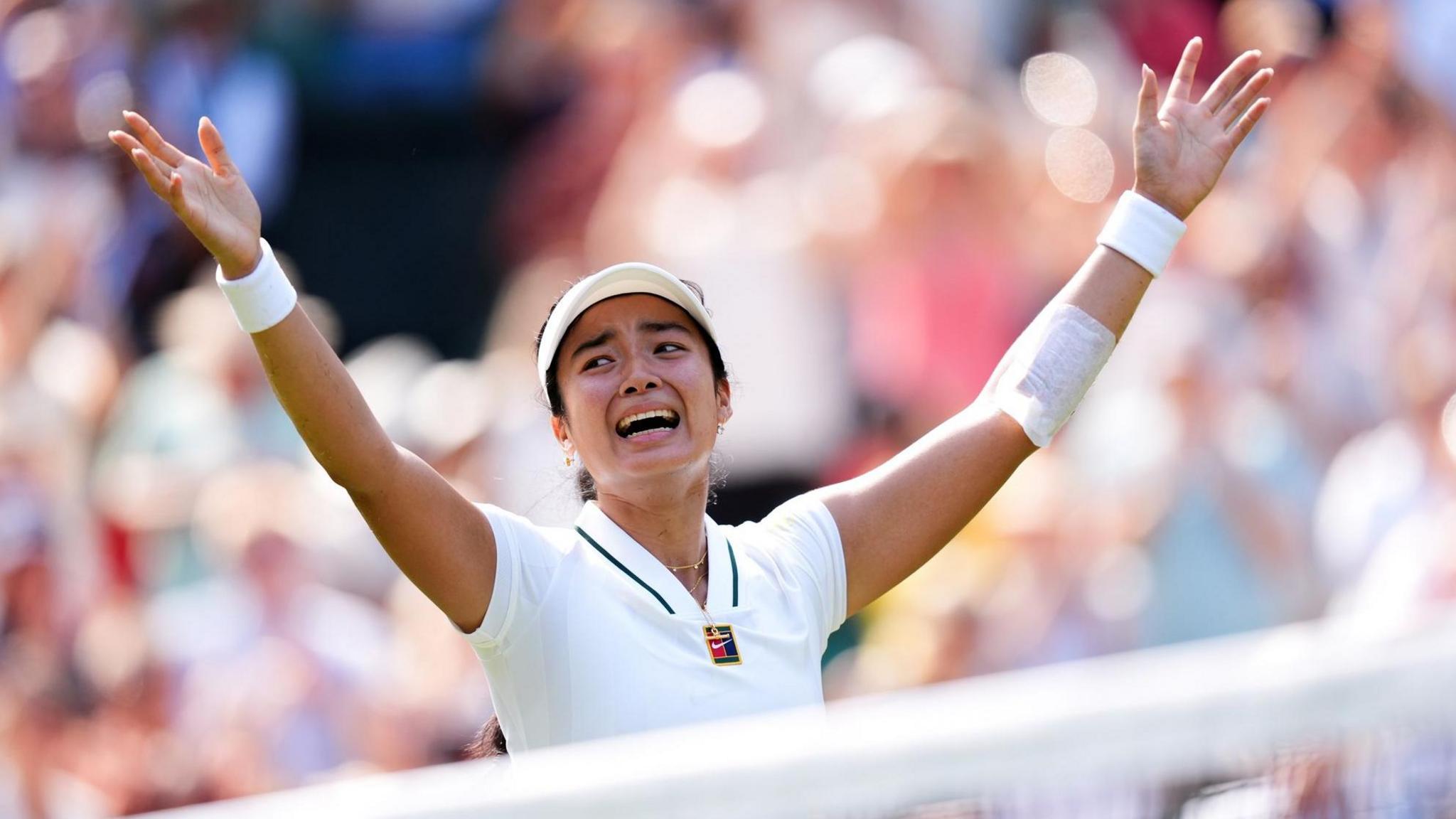
Alex Eala’s historic Wimbledon run sparked a nationwide tennis renaissance, turning a 14‑year‑old Maristella Torrecampo’s short off‑hand bus trip into a story of hope.
Torrecampo, after 13 hours on the road, triumphed over an Omani opponent 6‑1, 6‑1. Her match came during a period when Filipinos were newly streaming Eala’s matches on social media, watching her rally against world‑class opponents.
In a country where the most popular sports are basketball, boxing and beauty pageants, Eala’s achievements underlined how tennis can offer a path to international success, inspiring a new generation of players and fans.
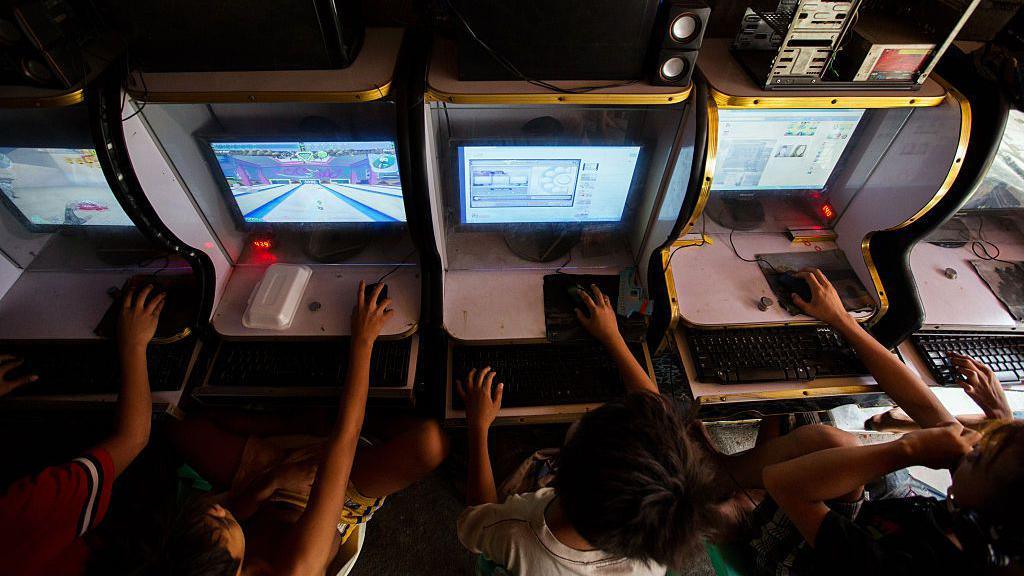
Yet community realities remain tough. Court rentals can cost up to 2,000 pesos per hour, more than a day’s wage for many. For the under‑privileged, even a single game can be unaffordable, and few courts exist outside wealthy enclaves.
Coaches like Jovy Barce, who grew up picking up balls in a small Caloocan community, exemplify the grassroots determination that must meet the sport’s high entry costs. He began with rags‑to‑riches pride, yet found training a way into a small court in the city.
In the media, Eala’s homecoming was celebrated with a reception hosted by President Ferdinand Marcos at Malacanang Palace. The event highlighted how national pride turned one athlete into a collective symbol of progress.
Fans, from families migrating long distances to a 33‑year‑old accountant, find momentum in Eala’s success. These athletes now push for more courts, better equipment, and wider community access.
With the US Open ahead, Eala heads to London determined to push the Philippines’ status larger on the global stage, after a warm farewell in Manila.
The story candidly shows that while sports like tennis were once considered “rich‑man’s sport”, the perseverance of figures like Eala and local heroes can change attitudes, inviting more Filipinos to pick up a racket and play.